EU: Directives do not give priority to frogs and fish
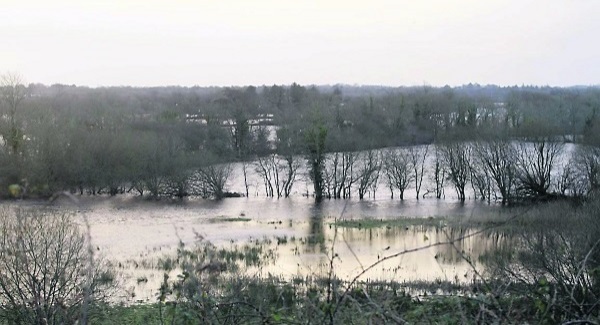
Actions recommended by the EU to prevent people suffering from flooding generally will provide long-term solutions, while the EU is also providing €705m for prevention.
Claims by farming bodies, that the plights of frogs and fish were being placed above people and property, were simply not true, said the European Commission.
The commission hit out at “inaccurate” statements made by Simon Harris, the junior minister with responsibility for the OPW, that some actions to deal with the catastrophe would breach EU law.
Mr Harris said building flood barriers and dredging rivers along the Shannon could affect bird and fish species protected under EU law. “Some of the suggestions will breach the EU directives,” he said last week.
A statement from the European Commission said any suggestion EU environmental rules are to blame for the recent severe flooding in Ireland are “completely without foundation”.
It said the EU did not ban dredging while the Water Framework Directive and the Floods Directive did not include detailed rules on how member states manage their water courses.
“That is decided by the member states themselves”, the commission said in a statement, which added that dredging does not always resolve the underlying problem.
“It may help to sort out a local problem but it may also transport the problem downstream, sometimes from rural to urban areas where the damage on properties and economic activities can be much higher.
“Therefore the basin-wide approach included in EU policies is essential to find effective and long-term solutions.”
Nothing in the EU Nature Directives dealing with birds and habitat stops action to protect lives and property. It specifically allows action even if it damages a protected area and its wildlife in the event of “over-riding public interest”.
It does, however, insist the authorities assess the effects of various options before taking a decision that would damage a protected Natura 2000 site.
The EU Water Framework and Floods Directives are designed to provide good-quality water for people and industry, protect the environment, and to manage flood risk through prevention, preparedness, and protection.
CONNECT WITH US TODAY



Be the first to know the latest news and updates