Merkel leaves aid for Athens option open
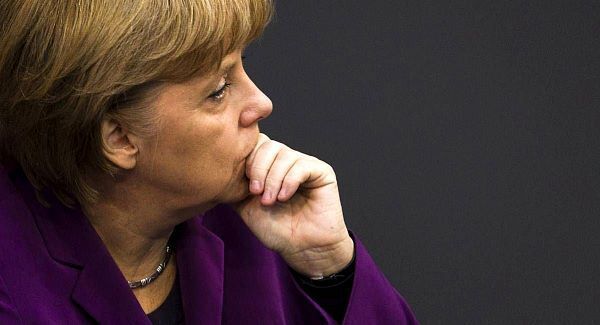
Finance minister Wolfgang Schaeuble provoked a storm last week when he told a campaign rally that a new rescue for Greece was inevitable in comments that contradicted Merkel, who has said it is too early to discuss additional aid. The subject has dominated the election campaign ever since.
Merkel has tried to keep Greece out of her campaign to avoid angering Germans who fear they will foot the bill for more bailouts. She is tipped to win a third term in the Sept 22 poll partly because voters approve of her management of the eurozone crisis and her tough line with struggling states.
The chancellor did not rule out a further Greek bailout, saying that the eurozone would look again at the situation in the country in 2014, but she told Focus magazine that she did not see a debt haircut for Greece.
Many Germans are even more concerned about the direct hit they would take from a debt write-down than a third Greek bailout which would probably be far smaller than the previous rescues, though both are unpopular options.
As Europe’s largest economy, Germany has the most exposure to Greece. Merkel could lose out if voters think she is being less than honest about Greek risks.
Private owners of Greek debt were forced to swallow significant losses on their holdings last year, but European governments and the European Central Bank have refused to take a hit so far. Germany has argued a write-down of Greek debt held by eurozone governments would be illegal.
A poll showed that Merkel’s centre-right coalition had lost its slender lead over parties on the left. If she is unable to continue her alliance with the Free Democrats (FDP), she may seek a “grand coalition” with the Social Democrats (SPD).
Opposition parties, who have long accused Merkel of hiding from German voters the truth that they will at some point have to pump more money into the eurozone, have seized on the issue.
Merkel’s SPD rival Peer Steinbrueck said he would press her on the issue in coming weeks, including in a television debate in a week’s time. “(The government) has handed out sleeping tablets and tried to hush up the fact that the stabilisation of the euro zone will have a cost,” Steinbrueck told the Suedwest Presse newspaper.
Pollsters say, while the issue of Greece is dangerous for Merkel, opposition parties may not benefit as they have backed the bailouts in parliament.
Greek finance minister Yannis Stournaras said his country may need a further €10bn in extra support from its eurozone partners, but would not expect any loan to come with conditions attached.
Analysts have long predicted Greece will need more aid, albeit on a smaller scale than previous bailouts totalling about €240bn. The IMF estimated Greece would face a funding gap of nearly €11bn for 2014-2015.
Stournaras also ruled out another haircut, the most toxic question for German voters.












