Britain has to compromise on trade in agriculture
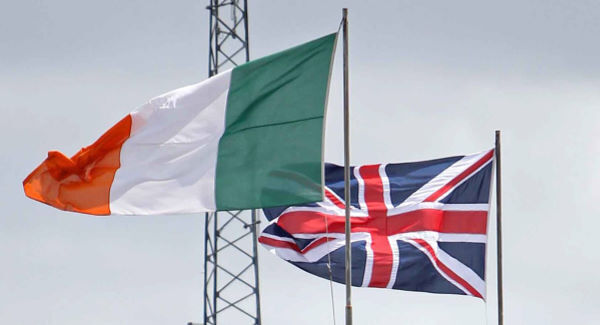
Last week the UK published two Brexit negotiation positions – one on the future customs arrangements and the other on the relationship between Ireland and Northern Ireland. It is very difficult to see how these two positions can be reconciled when it comes to their ambitions on agricultural trade and customs arrangements.
The UK is, on the one hand, insisting they wish to leave the customs union and pursue an independent trade policy. On the other, they say they want to avoid a border to the movement of goods between the EU and the UK for any purpose including customs or agri-food checks.
On examination, those positions are incompatible.
Key agri-food trade principle
The principle of wishing to avoid any physical border infrastructure is positive, as is the recognition of the highly integrated agri-food sector we have developed on this island and the need to minimise damage to it.
Every year thousands of animals and huge volumes of agricultural produce cross the border with Northern Ireland for further finishing or for processing, as part of a complex supply chain. These trading links have built up over many years and are critically important for farmers and processors on both sides of the border.
The crossborder trade in agricultural produce is complex and encompasses crucial issues such as food safety and animal health.
If the UK insists on pursuing its own free trade agreements with third countries, two divergent regimes would have to operate on this island and it is impossible to see how border checks could be avoided in that scenario.
So, if the UK wants no border, they will have to change their position on agricultural trade.
In effect, the UK leaving the customs union and operating its own independent customs and trade policy separate to the EU, amounts to a hard Brexit, which would be very negative for Irish agriculture and the value of our agri-food exports, 40% of which are destined for the UK market annually.
In their paper on future customs arrangements, the UK Government last week proposed two options – either the reinstatement of a ‘highly streamlined customs arrangement’, or a ‘customs partnership’ which they suggest would not require a customs border between the EU and UK.
The first option would see the reinstatement of a customs border between the EU and UK, which the paper on Northern Ireland published the following day ruled out.
That leaves us with the second option, of a ‘customs partnership’ between the EU and UK. That is simply not an acceptable outcome for the agriculture and food sector, as even under this arrangement, the UK would still be committed to pursuing their own trade policy for imports into the UK. This could also mean an increase in low-cost food imports into the UK that would undermine the value of the UK market and have a devastating effect on the Irish agri-food sector. The knock-on displacement of Irish food exports from the UK market would in turn destabilise the EU market balance.
It is clearly in the interests of both the EU and the UK to find a solution to these negative outcomes and to the border issue.
Much of these issues could be resolved through the UK remaining within the Customs Union.
However, if the UK is insistent on leaving the union, a balanced Free Trade Agreement between the EU and the UK must be negotiated. This agreement will have to include tariff-free trade for agricultural products and food, the maintenance of equivalent standards on food safety, animal health, welfare and the environment; and the application of the Common External Tariff for agricultural and food imports to both the EU and UK.
CONNECT WITH US TODAY



Be the first to know the latest news and updates