Bersani seeks way out of Italy’s political deadlock
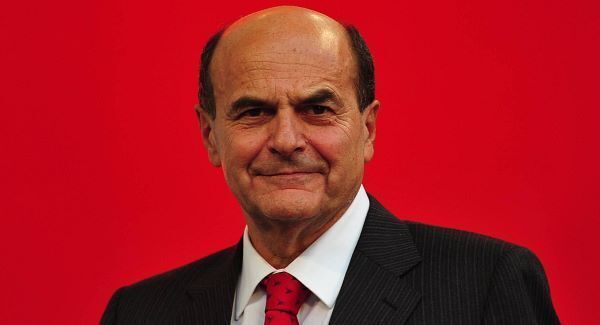
Stalemate after a deadlocked election in February and the threat of months of political instability has triggered alarm across Europe and warnings that Italy cannot afford to delay urgently needed reforms to boost its sickly economy.
President Giorgio Napolitano is due to begin consultations with political leaders on Wednesday to see if there is any chance of establishing a government.
Bersani, the leader of the centre-left Democratic Party, won control of the lower house but fell short in the senate leaving him dependent on the support of his rivals if he is to form a government.
He said he would tell Napolitano he would not try to reach any set deals in advance but would present a set of proposals to parliament based on attacking corruption and creating jobs. “The path is very, very narrow. I think I can say that other paths would turn out to be even narrower,” he said.
If no understanding that would allow a government to be formed can be reached, Italy faces a return to the polls.
Bersani was successful on Saturday in getting his candidates elected as speakers of the lower house and senate, helped by abstentions and a handful of votes from rebels in the anti-establishment 5-Star Movement.
New senate speaker Pietro Grasso, an anti-mafia judge, and lower house speaker Laura Boldrini, a former spokeswoman for the UN high commissioner for refugees, represent a change from the career politicians who traditionally took such roles.
Even so, the result of the contest for Senate speaker showed Bersani would not be able to win a confidence vote in parliament, with Grasso elected with 137 votes, 21 short of a majority in the 315-seat house.
Saturday’s vote was the first piece of parliamentary business since the election and despite the handful of 5-Star senators who voted for Grasso, it gave little sign that the parties were ready to work together.

CONNECT WITH US TODAY



Be the first to know the latest news and updates