Free GPs for children under six a step to universal healthcare

As of today, parents will no longer have to worry about money because their child is sick. By summer’s end, 48% of the population will have this service free, says Kathleen Lynch.

Free GPs for children under six a step to universal healthcare

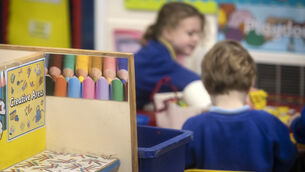
FROM today, all 436,000 children under the age of six are entitled to free GP care. This is a significant step towards providing free GP care to all of our citizens.

Parents will no longer be prevented by lack of money from taking their children to the GP. Few people these days don’t have to think twice before spending an unplanned €50 out of a week’s outgoings. The additional cost of attending a GP out of hours, or in cases when a home visit is clinically necessary, can be a financial strain that parents can’t manage.


Most families live week to week within fairly strict budgets. When unexpected expenses arise, such as visits to the doctor, bills have to be juggled. This may mean going into arrears with the ESB for a week or postponing the service on the car. This is the reality for a lot of people.

Removing the cost of GP visits for children under six also removes a source of stress. It gives peace of mind. It is one less burden on already over-burdened families.

GP fees should not be a burden for anyone. But we needed to start somewhere, so we started with our youngest. This is about children and it is about their parents. Eighty-three percent of doctors who have a medical-card contract have signed up to provide this care.

As children, we were always told that “your health is your wealth”. It is only as you get older, or you encounter illness yourself or in your family, that you truly appreciate the wisdom of that phrase.

Children should be given every chance to live the healthiest lives possible. As medicine and science evolve, we, as policy-makers, as parents, as grandparents, as health professionals and as educators, have also evolved in our thinking.

We have become conscious of keeping children healthy, both physically and mentally, and not just treating illnesses. Programmes such as the Little Things campaign, Healthy Ireland, and the new obesity strategy aim to increase awareness of the benefits of minding our mental health, of physical activity, and of healthier, balanced diets.

In keeping with our policy of proactively looking after our health, the free GP care for under-sixes also focuses on wellbeing and the prevention of disease. Assessments will be carried out on children when they are aged two, and again when they are aged five.

There will also be a special programme for children who are diagnosed with asthma. As part of their care, GPs will carry out an annual review of each of these children. It is hoped that this focus will help children and their parents to manage their condition better.

We also have a good vaccination programme in Ireland. Vaccinations have saved people from illness, disability, and death. As recently as the mid-1980s, more than a hundred children a year suffered serious complications as a result of vaccine-preventable diseases.

Vaccinations have proved one of the most effective public health measures ever. There are seven vaccines given to children under six, with a take-up rate of between 90% and 95%. It is my intention to expand the range of vaccinations and to continue to invest in keeping our citizens well.

As the economy continues to recover, we will introduce other initiatives that will have long-term, positive health effects, such as a pre-school dental health programme.

This should lead to a decrease in extractions, fillings, and treatments for decay. The findings from a similar programme in Scotland suggested that within three years the expected cost savings outweighed the cost of implementing the nursery toothbrushing programme. The expected savings were more than three times the costs.

Aside from the obvious social benefits, there is a huge economic benefit to a healthy population. It reduces hospital stays and the volume of medication taken. It means there are fewer days lost to school, college and work through absenteeism. We have become better about recognising this.

From early August, all citizens over 70 who don’t already have free GP care will be entitled to receive this service. Registration will open later this month. We will launch a separate campaign in the coming weeks to inform people of how to go about this.

By the end of this summer, 48% of our population will be entitled to go to their GP free of charge.

Over the lifetime of the next government, it is the intention of the Labour party to deliver free GP care to the remaining 52% of our population.

Parents of children under six can register online at www.gpvisitcard.ie.

Kathleen Lynch is junior health minister

More in this section

Revoiced

Newsletter

Sign up to the best reads of the week from irishexaminer.com selected just for you.

Cookie Policy Privacy Policy Brand Safety FAQ Help Contact Us Terms and Conditions

© Examiner Echo Group Limited