Time not for closure but opening
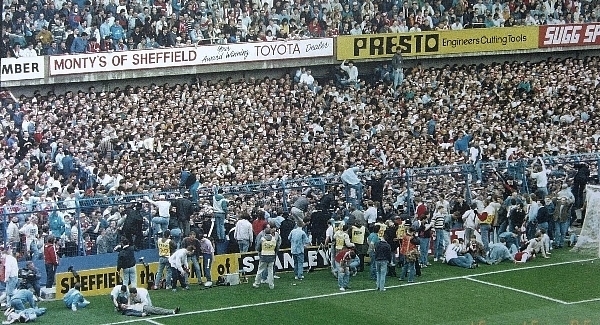
The opening, for instance, of one last full and independent inquiry — unfettered by British government policy and unhindered by those in authority wishing to cushion or mask their responsibility — which can enshrine in a verdict the facts that came to light yesterday.
The opening, too, of new inquests in the cases of many fans whose deaths may no longer be seen as accidental — and the opening of minds so that football fans are never again seen as second-class citizens who deserve to be herded like animals and treated as potential criminals instead of human beings, a sentiment which was at the root of just about everything that went wrong at Hillsborough that fateful day.
Fans of rival clubs in their cruellest moments like to suggest that it is always Liverpool; but what the findings proved yesterday once and for all was that this was a disaster that could have happened to anyone. And that is what makes it so chilling.
Every dad who takes his son to football in the now glamorous surroundings of the Emirates or the Etihad, every mum who ferries her brood to the stadium every Saturday, every teenager attending their first match alone, every pensioner who remembers the good old days and the bad old days; they all know, they can all imagine the sheer terror and heart-wrenching agony of what it must have been like to be there in April, 1989.
What we know now is that a tragic combination of an unsafe ground, a police force lacking in leadership, some terrible and perhaps incompetent decisions at the coal face, and the underlying demon of a system driven almost entirely by a blackened view of football supporters that was so strong, it even drowned out the cries of those who were suffering, was to blame.
But the biggest disgrace of all is that it has taken 23 years to find the truth — and 23 years for fans to be exonerated. And that moves us on to another ‘opening’.
Those who fought so hard for justice for the 96 can at least reflect this morning on the changes made — thanks in no small way to their hard work — since the dark times of the 1980s.
Football has changed — grounds are safer and more modern, the safety of supporters is seen as paramount and fans are treated largely with respect, even when they travel to away grounds.
Policing has changed — the focus is no longer primarily on preventing violence and on the sport of hunting down thugs, but on creating a safe environment for the majority.
And attitudes have changed, too — you only have to look at how involved supporters’ clubs and supporters’ federations have become in many clubs to see that.
But what struck such a horrifying chord in papers released to campaigners and relatives of the dead yesterday was just how little had changed at the very top of society during the same period.
Successive British governments had a chance to reveal the truth; they didn’t. Senior police officers, who must have known what was in those papers, had a chance to do the same. They didn’t. Senior people in the emergency services, in fact in all areas of leadership, must have had a chance to stand up. They didn’t. All were willing to continue a cover up that in many ways was more disgraceful than the fateful mistakes made inside and outside Hillsborough all those years ago.
So the final call for families of the 96, the final legacy, must surely be for openness in governance; for transparency in future from those who make the rules and those who police them.
We can all pray that football will never see another tragedy like Hillsborough — and so much has been done already to ensure it will not. But an even greater principle is now at stake because no-one, in any walk of life, should have to wait 20 years to find out why their child, their father, their brother, mother or sister died. And nobody should expect the authorities to lie about how it happened
Closure may finally be nearing for some of the families who suffered exactly that fate; but the legacy of their battle for truth is only just beginning.
CONNECT WITH US TODAY



Be the first to know the latest news and updates