Medics sideline Sexton until February
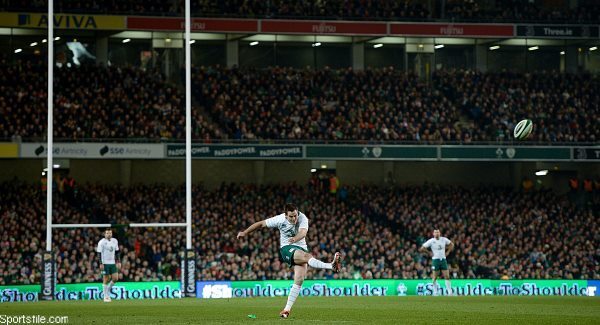
The Dubliner is not permitted to return to the playing field until February 14, the date of Ireland’s second Championship game against France at the Aviva Stadium.
Sexton has been put on injured reserve by his club Racing Metro for “an indefinite period” following discussions between the club’s medical staff and a neurologist acting on behalf of the Top 14 and World Rugby. He has suffered three concussions in this calendar year and under the terms of new head injury assessment (HIA) protocols, he was already under the microscope.
Racing head coach Laurent Labit would only confirm Sexton was out of the weekend’s Top 14 clash against La Rochelle, saying: “As long as Johnny doesn’t feel 100% we cannot take any risks. He is not ready to play yet.”
Sexton met with medical staff this week to review his readiness to return to club action following the autumn series with his country.
His colleague at Racing, Ronan O’Gara confirmed last night: “Johnny didn’t get the news that he or the staff here were hoping for. He has had a series of head knocks — I think he might have had two on the one day against Australia — and as a result of these, and the new regulations on concussion from World Rugby, he’s out of action for the next three months.”
Sexton will be allowed to participate in no-contact training.
In the wake of the Australia test at the end of November, Sexton said of the concussions: “It’s not something I’m worried about personally. It’s not like I’m getting knocked out or anything like that or having memory loss. I’ve had one bad concussion in my life, maybe six or seven years ago — that one against France looked bad, but sometimes you can just get caught on the chin. So it’s not something I’m worried about personally.”
He also addressed on that occasion the varying levels of concussions that can affect players. “You can get a bang on the head and be perfect a minute later (or) you can struggle for a couple of days,” he said. “Before, the small (incidents) were just brushed aside. Now they are looking after us better which is a great thing. The doctors will ask you for your symptoms and it might just be the case where you rest for a couple of days and wait for things to calm down and then you’re good to go again; or it could be a few weeks.”
Last night, the game’s governing body, World Rugby, reiterated its stance on concussion.
“Player Welfare is the number one priority for World Rugby, and concussion is a major part of that,” said a spokesman last night. “At the elite level, the Head Injury Assessment has seen the numbers of concussed players staying on the park reduced from 56% to 12% and we are working to reduce that to zero. At grassroots level, our ‘recognise and remove’ campaign is educating players, coaches and parents to the dangers around head injuries.
“Research will continue to inform our response to this important issue and any development that increases awareness of how best to deal with suspected concussions in rugby and promotes the ongoing cultural change around head injuries in our sport would be welcomed.”

CONNECT WITH US TODAY



Be the first to know the latest news and updates