FIA panel says Bianchi did not slow sufficiently
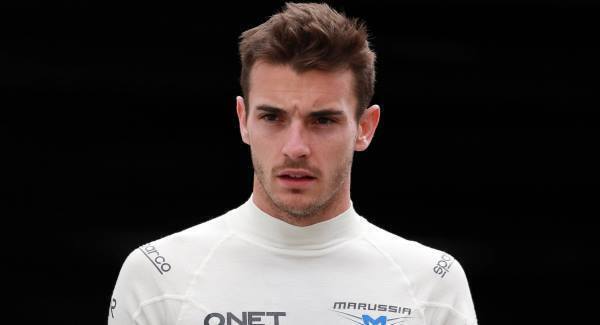
The panel was swiftly formed in the wake of Bianchi’s crash during the Japanese Grand Prix on October 5 when he ran into the back of a mobile crane.
Under the auspices of Peter Wright, the FIA’s president of the Safety Commission, the panel comprised respected figures as Ross Brawn, Stefano Domenicali, Emerson Fittipaldi and Alex Wurz.
Ahead of a meeting of the World Motor Sport Council in Doha, Qatar, and with Bianchi still unconscious and in a critical condition in a Nice hospital, the panel presented their findings in a 396-page report.
Following a detailed examination of the evidence, the panel has put forward a number of proposals they believe will serve the interests of not just Formula One in future, but motorsport in general.
Amongst their conclusions they discovered “a number of key issues occurred, which may have contributed to the accident, though none alone caused it”.
Aside from the obvious conditions at the time of rain and fading light, there was water draining onto the track at the point where Bianchi lost control of his Marussia.
The Accident Panel claim with double-waved yellow flags showing, given the recovery vehicle was removing the Sauber of Adrian Sutil that had crashed a lap previously, “Bianchi did not slow sufficiently to avoid losing control at the same point on the track as Sutil”.
They cite the fact if drivers adhere to the requirements of double yellow flags as set out in the regulations, “neither competitors nor officials should be put in immediate or physical danger”.
It has also been determined Bianchi “over-controlled the oversteering car, such that he left the track earlier than Sutil”.

CONNECT WITH US TODAY



Be the first to know the latest news and updates