One too many sob stories threaten to turn the troika native
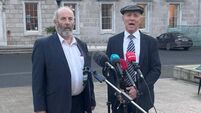
The press conference was routine, complete with understandable abuse couched as questions, a little philosophy from Vincent Browne, a preponderance of RTÉ journalists and the ignoring of certain aspects by the panel.
The conference had been declared over until one doughty reporter pointed out a particular question had not been answered. There was no response apparently to whether there was anything Ireland was doing wrong. It was straight As all the way.
And then the head of the European Commission mission blundered in with a statement quite out of synch with the uber Chicago tone of the programme generally.
He mentioned the unemployed and the most vulnerable in society. “We want to work together with everyone to find solutions to difficult problems, and unemployment and the most vulnerable in our society are issues we should make more effort and do everything possible in our capacity to help these people, and this we will do.”
Up to this, the theory has been that to make it worthwhile for employers to create jobs, workers must be available at knock-down rates.
But that means making sure the dole is too uncomfortable a place to be. People must be kicked off it quickly, and get less out of it and be so desperate they will work for any price they are offered.
It is not clear if this is still the over-arching theory — and the plea by the troika was for all to accept their fate. It has been rumoured that the troika was sick to death of hearing sob stories from trade unions, NGOs like Social Justice Ireland, unemployed representatives and others.
At the press conference the troika pleaded for facts, not feelings to help them find solutions to difficult problems. However many of the sob stories have been accompanied by studies from reputable economists first pointing out the problems, and then suggesting the solutions, couched in language the ECB, the IMF and the Commission should understand.
So perhaps the plea from the troika was that they wish the representatives of the ordinary person to give up their approach, and switch to the more Chicago way of looking at things.
If it was a softening of attitude, then the troika may have been addressing the Government, asking them to consider the wider picture. After all the basic austerity plan the country is going through had been put together by the Department of Finance and published by the IMF well before the bailout was mooted.
And the Government could put into the memorandum of understanding that the most vulnerable in society must be protected — there are whispers that the troika would be open to this, but the Government is reticent. It would set targets and would be viewed as giving unions and others a stick to beat the Government with. It would also mean the Government leaving the safety of a single economic doctrine to devise a more adaptable and custom-made one.
This would allow the Government to re-frame the educational, health, employment and welfare systems so that it was not a matter of cutting spending and services, but developing new systems, using inventive ways to stretch the available resources to meet the citizens’ requirements.
But there does not appear to be much in the way of imagination in running the country at the moment. Unless the troika and the Government start going soft, concentrate on how to recompense taxpayers and the unemployed for allowing their wealth to be transferred to speculative investors, and look to a more equal future.


CONNECT WITH US TODAY



Be the first to know the latest news and updates