Helping children with asthma return to school easily
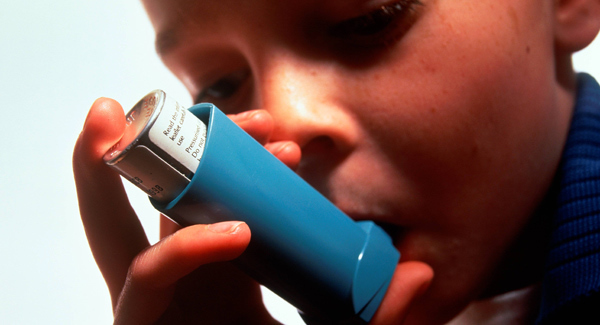
PARENTS should ask their child’s school if they have an asthma-management policy, says the Asthma Society of Ireland, which is hosting free mobile asthma clinics, nationwide, from September 15 to 26. These are to advise parents and teachers to better manage children who have the condition.
Hospital admissions due to asthma rise in September, says Frances Guiney, director of patient services at the Asthma Society. “Colds and viruses are very common triggers in autumn, especially in the under-12s.”
Anxiety about returning to school — new classrooms, teacher and friends — can also trigger an asthma attack. One in five children is affected by asthma and loses 10 school days each year as a result, so it’s important that parents and schools develop a policy for managing it.
A strict policy for asthma-management sends a message that the school is interested, says Guiney.
She urges schools to keep a record of all affected pupils. “Schools should be aware of the importance of having the child’s (blue) reliever inhaler accessible [given when child gets symptoms]. Make sure it’s not locked away in the principal’s office and she’s at a meeting and nobody can get it.”
Older children are encouraged to carry their reliever inhaler with them, and the school should be provided with a spare one, plus a spacer (device enabling easier delivery of medication) for each affected child. Children with asthma should participate in PE and sport, says Guiney, “so they don’t feel left out — also, because studies show the fitter the child, the more controlled their asthma. Teachers should remind children to do a warm-up routine pre-exercise.”
Asthma symptoms come and go and include coughing, shortness of breath, wheezing, chest tightness and phlegm. Wheezing isn’t always a symptom. Schools should watch out for children who seem tired and whose coughing disturbs the class. “These symptoms might go unnoticed by parents, so it’s important to communicate them,” says Guiney.
The mobile asthma clinics, with visits to primary schools, will provide practical advice on inhaler technique and asthma-management. An asthma nurse specialist will be available to help children learn more about asthma; parents and teachers will be urged to put an asthma-management plan and school policy in place.
* For more info about the clinics, visit www.asthma.ie
Five-step asthma-management rule:
Ensure reliever inhaler is taken instantly.
Sit child up and loosen tight clothing.
Stay calm.
If no improvement, give one puff of reliever inhaler every minute — children over six can take up to 10 puffs in 10 minutes; children under six can take up to six puffs in 10 minutes.
Call 999 or 112, if no improvement after 10 minutes or if you’re worried. If waiting for ambulance, repeat step four.

CONNECT WITH US TODAY



Be the first to know the latest news and updates









