Go with grains after the excess of Easter
I had never tasted Amaranth before, but reading about its health properties, I am impressed. I predict a rise in its popularity similar to quinoa, which has become expensive.
It seems spelt flour and manuka honey are also becoming so popular that supply is outstripping demand and prices are going up.
I looked also at Khorasan flour from Dove’s Farm (€4/kg from health food shops) which is made from kamut, a species of grain originally used by the Pharaohs. Today it may suit those with suspected intolerance to wheat, though best used first a little at a time, as it’s not for those with established gluten intolerance. I also tried Ballybrado organic whole rye flour (€2.40/kg from health food shops) — this is best added to soda bread or other bread recipes to provide interesting nutrients to the mix (for heart, anaemia and migraine prevention).
The grains we tested provide us with variety in the diet and, most of the time, take very little time to cook. They are not particularly tasty, but a good base for fresh vegetables, spices and herbs.
Natural Choice (Paul Street Shopping Centre) Amaranth Organic, 250g €1.44
Eaten by the Aztecs and more recently in Africa and South America, Amaranth is a good source of nutrition. Higher in protein than many meats, and with more calcium than milk, as well as useful dietary amino acids lysine and methionine, it’s ideal for vegetarians and those on low budgets. It can be dry popped like tiny popcorn to sprinkle on salads, sprouted to use in salads, or cooked like rice as a base for seasonal vegetables and herbs, hot or as a salad. It can also be added to soups and bread mixes. It tastes bland, but pleasant. Fair value. Available in many wholefood outlets.
Score: 8.5

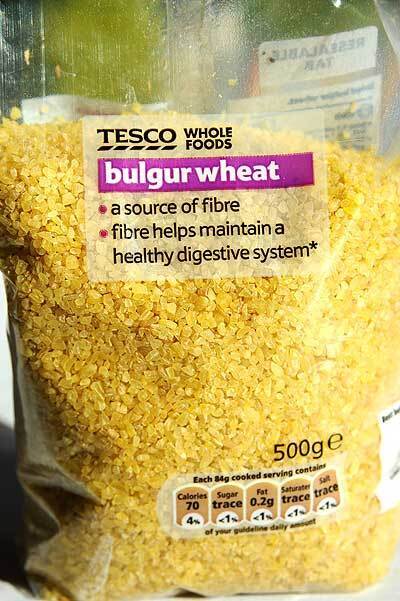
This is made from wheat berries which are first boiled, then dried and cracked. Health benefits are similar to other types of wheat, mainly high in vitamins B and E, so worth including in a balanced diet if not eating bread. I like to dry fry it to add a toastiness before steaming and then tossing in olive oil with lots of herbs, feta (or other cheeses), olives and roasted vegetables such as red peppers. Be generous with fresh parsley, coriander and mint. Err on the side of too little water if boiling it, as it is best allowed to finish off steaming a little in the pot with the lid on for the last few minutes. Good value.
8

Quite alkaline, this grain can balance over-acid conditions caused by stress, drugs, chemicals and lack of exercise. It can sweeten the breath and help with candida overgrowth. It needs to be boiled for about 30 minutes and used like rice. Tiny and perfectly round in shape, it can be bought white, grey, red or yellow. A good source of magnesium suggests it’s heart protective and helps lower the incidence of type 2 diabetes, so worth including in diets, except for those with underactive thyroid when it is not recommended. Tasters liked it when served with roasted vegetables. Widely available.
8

Wild rice added to regular rice gives an added health boost. Interestingly, wild rice is not rice at all, but comes from a type of grass which is higher in protein than rice, and is rich in amino acids and natural fibre. It tends to take longer to cook than rice, and is good to add to stews, as it keeps its shape.
7.75

While thought of as a grain, buckwheat is a seed. Its particular nutrient is rutin, a flavonoid which is good for circulation, including varicose veins, and for helping to reduce high blood pressure. It can be eaten as a rice substitute, but may be better ground and used in blinis the traditional Russian pancakes, served with sour cream and if you dare, caviar. Or try with anchovies chopped with olives or gherkins. Tasters didn’t like it cooked like rice as it was a bit gloopy. The curried vegetables helped, but the pancakes were the most successful.
7

Made from rolled semolina which is made from the inner part of durum wheat, the grains look chopped up, but if not overcooked will keep their shape. It’s best to undercook couscous if planning not to use it immediately. Drain off most of the water and keep a lid on, allowing it to steam gently. It will keep well if tossed in olive oil, so is handy for parties. Rich in starch and niacin (vitamin B3) needed for healthy skin and blood, there is a lot less protein here than other samples, so needs protein and vegetables for a balanced meal, but tasters liked the texture more than some of the grains.
6
A cousin of amaranth, this more expensive grain is said to tone the kidneys and is good for general health with excellent protein and calcium, iron, vitamins B and E. It takes just minutes to cook, depending on the brand. It’s popular with Europeans and Canadians in particular, who appreciate its high nutritional value, but the demand has pushed up the price beyond the reach of some producer/farmers. Those concerned about its sustainability, could look to amaranth, which tastes equally bland and needs lots of flavour added.
5

This is ground corn and comes in many degrees of coarseness and as a flour. It is often used in third world countries as a type of porridge and a few years back was fashionable in stylish restaurants as sweet and savoury cakes and as an accompaniment to spicy dishes. It’s pretty hard work as it takes a lot of elbow grease to stir while cooking. For me it’s the least attractive and interesting of our samples and not worth the trouble. However, it can help digestive problems, being mildly diuretic. I have read it can ‘overcome sexual weakness’. Marks here are given for taste not tested sexual achievement. From wholefood shops.
6.5
CONNECT WITH US TODAY



Be the first to know the latest news and updates









