Upper crusts: Eight sourdough breads tested
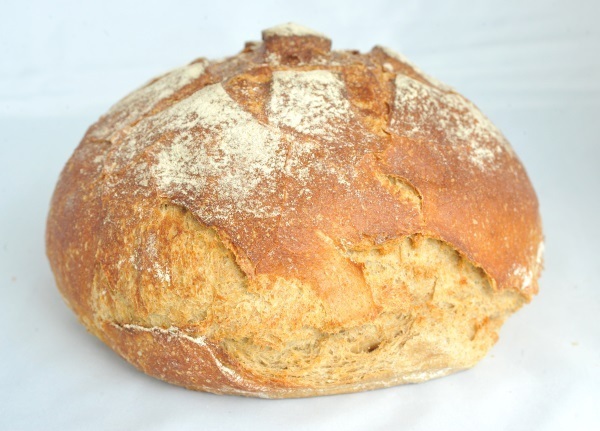
SOURDOUGH September. Whoever would have thought a type of bread would have its own month? Since we did our last sourdough survey three years ago, it has become more mainstream with some good, some not, available. The fermentation in sourdough occurs when natural, wild yeasts in the air are absorbed by flour and water and left to develop slowly. The resulting bubbly ‘mother starter’ is added to the bulk of flour and water to rise slowly.
Deep flavoured sourdough takes up to two days to prepare and so costs more. The taste should intensify over days in finished loaves which keep longer than regular yeast bread. The starter dough is used or if not, fed every day with flour and water and can be months- even years-old with a piece kept back for the next day’s baking. There is no legal definition of sourdough, but bread experts agree it should have just three ingredients: flour, salt and water. A slightly damp texture is normal.
Good sourdough can be recognised by its aeration (holes can vary in size, but not all the way through), feeling quite moist, with little blisters on the outside of a chewy crust. The sourdough flavour is savoury rather than bitter, with San Francisco style more bitter. Some don’t taste sour at all.
Arbutus 800g €3.90

Tesco Sourdough bloomer 540g €3

Hassetts Bakery 840g €4.50

Marks & Spencer Anglesey oak smoked water sourdough 400g €3

ABC 920g €3.90

Baking Emporium 550g €3.50

Aldi Specially Selected sourdough loaf 600g 89c

SuperValu 600g €2