I was all over the shop
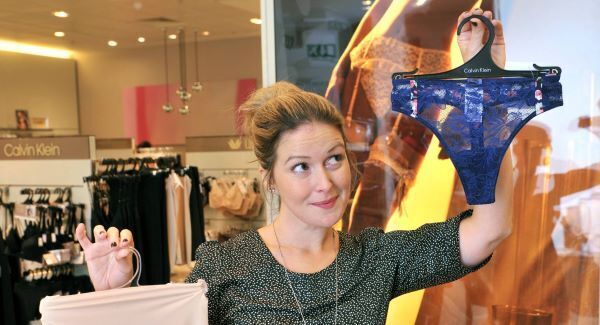
I ONLY look at my bank-account balance at the end of the month, when, about to indulge myself with a new purchase, the ATM refuses to make a delightful whirring sound (the ‘I’m getting your cash for you right this second’ one). It spits my card back, with no lolly. This prompts a panicked internet-banking check to confirm my suspicions … I’ve run out of money, again. After a little self-flagellation and a few days of baked-bean-eating frugality, I’m back to my profligate ways.
Last month, something changed. The ATM refused to play ball two weeks before pay-day and that forced me to look at my spending. I don’t live in a flashy apartment; I don’t eat out much; I don’t take lavish holidays, and I don’t have a gambling problem — so where was my cash? My overflowing wardrobe provided the answer — I was a shopaholic.
My addiction had started insidiously — nipping out on my lunch break and coming back with a Zara bag, or treating myself in my favourite high-street haunts (Topshop, New Look, French Connection, and even Reiss) every time I had a date/event/party to attend. A mid-afternoon slump was alleviated by an online browse. Placing an order on ASOS was a cinch; with next-day delivery if you spent over £100, it seemed silly not to order several things and send back what I didn’t need. I kept them all. I bought whatever I wanted, whenever I wanted. I’m not talking Chanel handbags or Erdem dresses, but still, my little habit was adding up to hundreds of euro each month (fine if you are Tamara Ecclestone, not so good if you are a lowly journalist on a pitiful wage in a city where my annual rent could buy me a nuclear weapon in Iran).
My out-of-control spending was subject to the law of diminishing marginal returns. The more things I bought, the quicker I became bored with them and wanted something new. With a wardrobe full of clothes, many unworn, I still complained I had nothing. The vicious circle was complete. The apogee was when I arrived home with a grey marl jumper, from Zara, to discover I already owned it. I was ashamed of my vapid, costly habit. It was time for a radical change. I set myself a simple challenge — one month (which ironically fell during Lent) without spending a penny on clothing, accessories, or (deep breath) shoes. Not a €5.99 t-shirt from H&M, not a €90 pair of boots from Dune, and nothing in between. I was going cold turkey.
For a shopaholic, temptation is everywhere and working close to a shopping mecca is not easy. Avoiding the shops was one thing, but an email appeared in my inbox from my old pals at Urban Outfitters: ‘50% off all spring essentials it declared’. Resistance seemed futile and I decided I couldn’t live without a new Kimchi & Blue printed button front playsuit which, at £48, was a steal. The ‘proceed to checkout’ button required one little click, but the disapproving Eddie Hobbs-like face of my conscience said ‘don’t do it.’ It took all my strength to deny myself, but I cleared the first hurdle and felt relief, not the usual buyer’s remorse.
I went through my inbox and started unsubscribing — no more emails from Net-a-porter, so long Asos and their free-delivery deals, and farewell Topshop’s ‘style updates’, which all have one goal, to make weaklings like me part with their cash. After a shop-free few weeks, I was spending my lunch on park benches reading, rather than frantically trying on dresses in the changing rooms at Mango. Was I cured? Were my spending habits now normal?
According to a 2010 report from Mintel, Irish people are ‘average’ buyers of clothing. We spend no more than €30 to €74 on any area of clothing (there are seven categories) per year. Basing an estimate on the top spender, we spend €40 per month on clothes. No offence to Mintel, but lumping men and women together is a mistake.
Most men I know buy a shirt and a pair of jeans once in a blue moon, whereas I often receive panicked emails from female friends containing links to pictures of €400 French Connection dresses and a message along the lines of: ‘Should I order this NOW? I have no money but have just been asked out on a date? If I order in the next 25 seconds it will be here by Friday’. Their stats don’t show the full picture.
To prove Mintel wrong, I conducted my own, highly unscientific poll. I asked 20 women (aged from their mid-20s to late 60s, some working, some self-described ‘doleys’) what they spend per month on clothes, shoes and fashion accessories. With the exception of a few highs and lows (the highest spender was €500 per month, the lowest €40), the average was €200 per month. That’s a recession figure — one woman in her 50s who works part-time said that in ‘the good old days’ she was spending €200 upwards on clothes every month, and is now spending €70, still miles over Mintel’s estimates. Sarah Murphy, a 29-year-old living and working full-time in Dublin, said her purchases included “one big-ticket item every other month, plus bits here and there,” all adding up to €300 per month. This would have been higher had she included make-up, beauty products or a trip to the hairdressers. So my old habits were far from extreme, but over the last few months, I’m proud to say, my spend was a big, fat zero and I’m determined to keep it that way until I genuinely need something new, and that, I estimate, will be circa 2013. Until then, charity shops and cast-offs will have to suffice.
Just the other day, I passed what I fondly refer to as my ex-crack den, the high street mammoth that is Zara. There, in the window, a beautiful, navy silk polka-dot shirt. I stopped, admired, sighed, and walked on, because, for this ex-shopaholic, spending like it’s going out of fashion just did.
CONNECT WITH US TODAY



Be the first to know the latest news and updates