Nurses say trolley crisis is not abating
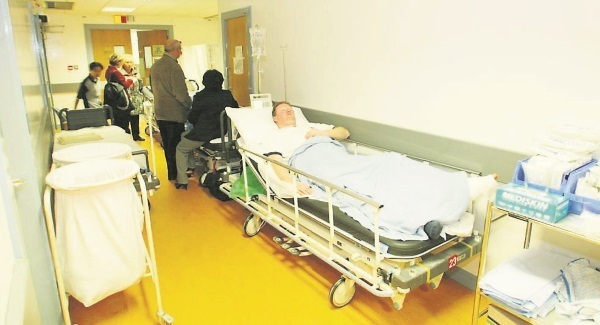
The latest trolley watch figure issued by the Irish Nurses and Midwives Organisation (INMO) said 355 people were on trolleys and another 154 in wards, resulting in an overall figure of 509.
Cork University, at 41, had the highest figure of any hospital in the country yesterday, according to the INMO figures, including 25 people on trolleys.

The HSE contested the figures but admitted that by its count there were 387 patients nationally awaiting admission to hospitals, 34 of whom have been waiting more than 24 hours.
The influenza outbreak has been a factor in the high number of people on trolleys in recent weeks.
Assistant national director for health protection in the HSE, Kevin Kelleher told RTÉ’s News At One that the current flu outbreak was due to peak in about a week, but that more efforts were needed to boost the number of people getting the annual vaccine to guard against the illness.
Latest data from the Health Protection Surveillance Centre showed 262 confirmed influenza hospitalised cases were notified in the first week of the year, bringing the season total of hospitalisations to 535 cases. Fifteen people have died during the outbreak.
Dr Kelleher said the most recent flu season appeared similar in its effects to those of 2008/9 and 2000/1.
“It looks to be similar to those which means it is likely to have a week or two in it, probably, [and] at the most, three,” he said.
Dr Kelleher said this would mean the flu season would be effectively over by mid-February.
However, he said that there were a lot of “misconceptions” about the flu vaccine, even among some medical personnel, and that more work was needed to ensure, in future, a greater proportion of people — particularly the elderly — were vaccinated.
“We are not immunising enough people to have a really major impact,” he said, referring to the fact that only between 50% to 55% of elderly people receive the vaccine when it should be over 70%.
He also said that not enough healthcare workers were receiving the vaccination.
He said that the best way for the vaccination system to work is to ensure as many elderly people, pregnant women and other vulnerable groups received the jab, as well as healthcare workers so that there was “a ring” around those patients who might be most at risk, thereby guarding against outbreaks in places such as hospitals and nursing homes.