Survey finds ‘dirty’ money is health hazard in hospitals
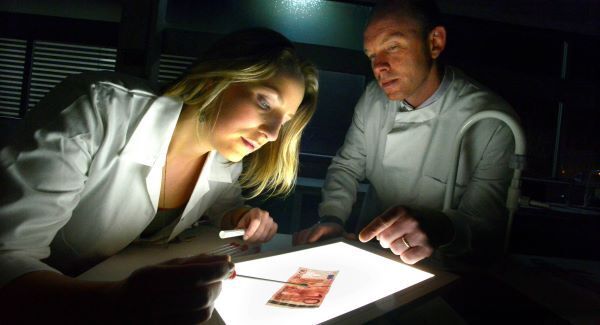
PhD student Emma Gabriel’s findings prompted calls last night for high-risk healthcare settings such as hospitals and nursing homes to move to cashless transactions to prevent the spread of potentially deadly bacteria on euro notes and coins.
Ms Gabriel, 31, an IRCSET scholar at Cork Institute of Technology’s (CIT) Department of Biological Sciences, spent a year analysing 155 €10 notes, and well as €2 and €1 coins, gathered from retails outlets all over Cork.
The currency was swabbed for specific microbes called Staphylococci — a collection of bacteria which live on the skin.
She found that 150 of the notes — an incredible 97% of the sample — tested positive for the presence of these potentially dangerous bacteria on their surface: raising concerns over the spread of disease in places such as hospitals.
The five notes which tested negative were in mint condition, and the older the currency was, the more contaminated it was. The coins were less contaminated because they are made from bacteria-static metals.
Ms Gabriel then tested 10 of the most common first-line and second-line antibiotics on the bacteria, or isolates, which were grown from the currency and found that almost two-thirds of the isolates were resistant to at least one antibiotic commonly used in a hospital setting. She also found the bacteria under investigation were able to persist on the surface of banknotes for up 19 days.
Studies of this kind are virtually non-existent but a study in India in 2009 found that bacteria persisted on Indian paper currency for only eight days — nearly two weeks less.
Ms Gabriel’s research supervisor, Dr Jim O’Mahony, said while the findings are intriguing, the euro banknotes do not pose a significant public health risk once people follow proper hygiene practices.
But he said they could be a vector for transmitting antibiotic resistant bacteria.
Ms Gabriel said the study has shown that dirty money could specifically pose a risk to immuno-suppressed people in hospitals or nursing homes — people whose defences are already low.
She said simple transactions like buying a bouquet of flowers in a hospital shop, or paying for hospital parking, could result in the spread of infection.
Dr O’Mahony said following the study, they would encourage the introduction of cashless transactions in hospitals.
“These are high-risk patients who are susceptible to infection and the fact that people are bringing bank notes that contain bacteria into hospital is not good practice,” he said.
“We’d encourage more people not to handle bank notes and coins within hospitals to prevent the transmission of pathogenic organisms.
“It would be safer not to handle banknotes in a hospital setting.”
Ms Gabriel said the euro currency is ideal for harbouring bacteria given its porous cotton fibres.
Countries such Australia use a special polymer in their paper currency which makes it difficult for bacteria to stick to the surface.

CONNECT WITH US TODAY



Be the first to know the latest news and updates