Playground smoking ban now almost countrywide
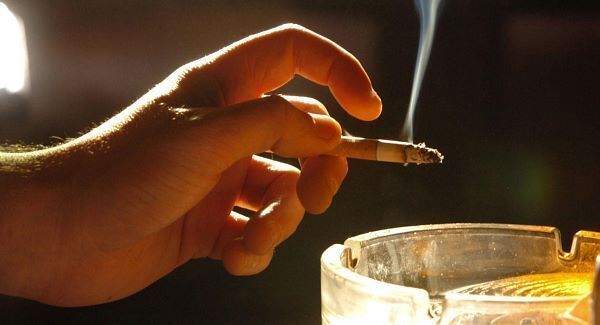
Research collated by the Institute of Public Health (IPH) shows 26 of the 31 city and county councils have implemented or agreed to implement smoke-free playground policies.
It means 82% of the country’s playgrounds should be no-go areas for parents and guardians with a cigarette in hand.
The IPH says the move reinforces the trend towards turning all public places into smoke-free zones with growing numbers of public bodies — particular those in the health and social care sectors — now also extending smoking bans to their outdoor grounds and campuses.
Director of policy Helen McAvoy said: “The findings in the report show that considerable progress is being made in the implementation of smoke-free spaces and places across a range of different settings.
“This helps to reduce exposure to second-hand smoke and to denormalise tobacco use for future generations.”
Challenges remain, however, and while Ireland may have been first in the world to introduce the workplace smoking ban, the North is ahead when it comes to compliance rates.
A report on the North earlier this year showed that 98.9% of businesses inspected there were compliant with the ban, but the most recent report on compliance in the Republic, taken from 2014, showed 80% were completely smoke-free.
Another report last year found 13% of adults in the Republic reported being exposed to second-hand smoke in the workplace, while 5% reported tobacco smoke in bars and 4% in restaurants.
The IPH said it was not yet known what effect the new ban on smoking in cars carrying children, and the replacement of cigarettes with vaping, was having on exposure to second-hand smoke, although it was hoped both would help reduce the amount of smoke lingering around children.
More difficult to police was what happens in the home and the IPH said there was still concern one in six children reported that adults are allowed smoke sometimes or always at home.
According to the IPH: “The frequency, intensity, and duration of exposure to second-hand smoke are significant in determining health outcomes for infants and children.
“Babies exposed to second- hand smoke are at a greater risk of sudden infant death syndrome and children who regularly breathe second- hand smoke are more likely to experience asthma, ear infections, and respiratory tract infections.”
The Department of Health’s Tobacco-Free Ireland strategy aims to reduce smoking prevalence to less than 5% by 2025.


CONNECT WITH US TODAY



Be the first to know the latest news and updates