Only two asylum seekers qualify for third-level grant support
It was the second year the scheme was operated directly by the Department of Education, separately from the main college grants system run by Student Universal Support Ireland (SUSI).
Only two young people in the asylum process had qualified in the first year of its operation in 2015 when there were 39 applications.

Only 15 applied last year, and just two applications were successful, the has learned.
The scheme offers financial grants to help meet the costs of attending college, and is open to school leavers who are in, or have come through, the protection system.
They are people who are awaiting a decision on an application for refugee status, for subsidiary protection (those at risk of serious harm if returned to their home country), or for leave to remain in Ireland after completing the protection process.
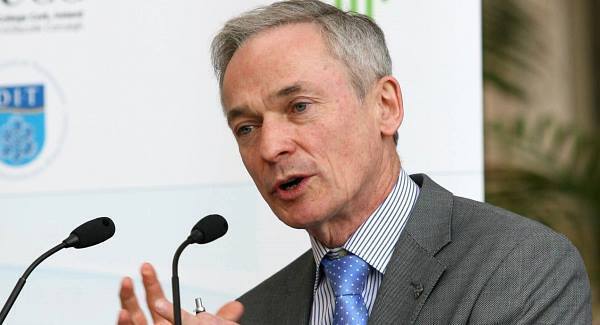
Under a further extension to the pilot programme due to be announced today by Education Minister Richard Bruton and Higher Education Minister of State Mary Mitchell O’Connor, applicants will still be required to have spent at least five years at school in Ireland.
The Irish Refugee Council criticised that requirement last summer, saying it should be relaxed to two years of attendance at an Irish school.
A Department of Education spokesperson told the the eligibility criteria were consistent with the recommendations of the 2015 report of the working group on the protection process and direct provision, chaired by former High Court judge Bryan McMahon.
She said most unsuccessful applicants to date have failed to meet at least two of the criteria.
As well as the protection system and school attendance requirements, those seeking to avail of the scheme must have done the Leaving Certificate and been accepted on a course at an approved further education or third-level course.
The scheme opened for applications from early June last year but a review of its operation in 2016 was still being conducted in June this year. It was only on the basis of the completed review that a decision has been made to continue the scheme for the 2017/18 college year, and applications are open until November 2.
“I would encourage all prospective students who may be eligible for support to submit their applications so that supports can be put in place early in the academic year,” said Ms Mitchell O’Connor.
Although their non-EU status would ordinarily make those in the protection process or who are seeking leave to remain in Ireland liable for higher fees, the colleges who have enrolled them in the past are understood to have facilitated their attendance by waiving tuition charges.
All Irish and EU citizens are entitled to free third-level tuition in publicly-funded higher education institutions.
The amounts offered under the Department of Education scheme are the same as those paid by SUSI.
Depending on family income and other circumstances, Irish students can receive between €300 and €6,000, but the inability of asylum seekers to work means any qualifying students should be eligible for the higher categories of maintenance.








