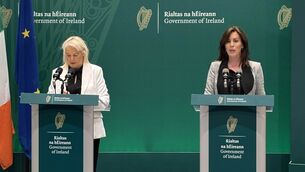
Minister Heather Humphreys seeks to cut 30-year waiting time for release of State papers
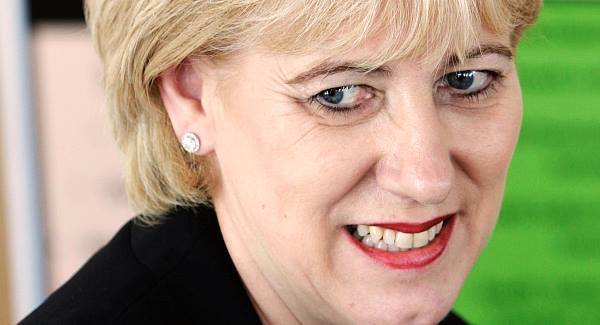
She brought a proposal to Cabinet yesterday that would see, if agreed by the Government, important state documents released up to a decade earlier than the current position.
Britain began releasing state papers after 20 years on a phased basis beginning in summer 2013.
Events likely to be covered by such a move here would include the 1993 Downing Street Declaration, the Good Friday Agreement of 1998, and the talks that led up to it, beginning two years before.
The document eventually led to a power-sharing government in Belfast but the negotiations were fraught with anxiety and distrust on both sides, as then taoiseach Bertie Ahern disclosed in recent years.
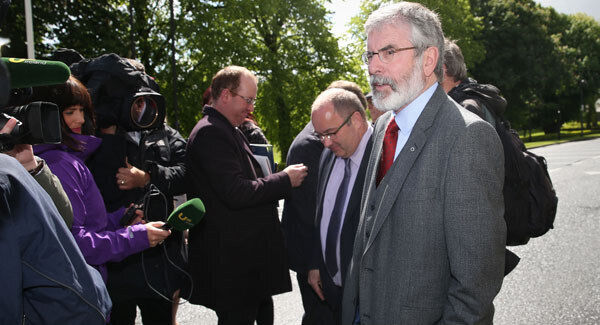
Sinn Féin president Gerry Adams later recalled the document being signed by Mr Ahern and British prime minister Tony Blair “after many years of hard work culminating in long night negotiations in Castle Buildings at Stormont”.
In a 2010 interview for the Edward M Kennedy Oral History Project, a research project at the University of Virginia, Mr Ahern said: “We were deeply suspicious, and still are to this day, of the Brits. We trusted Blair but worried about the MI5 and MI6. We were worried about all the games that can go on in the British system.”
Historian and author Ryle Dwyer believes an earlier release of state papers would be good for Irish democracy. “The government represents the people in a democracy, and the material withheld from the public should be the exception rather than the rule. We certainly should be the same as Britain,” he said yesterday.
“In fact, we should be ahead of Britain and not just imitating what they are doing. For the most part, I think documents should be released at the end of the year.”
Mr Dwyer said he did not see any reason that the negotiations that led to the Good Friday Agreement and the peace process should not be released.
Liam Cosgrave was the first taoiseach to release papers. Prior to that, all Irish papers, going back to the foundation of the State, were supposedly closed.
As a historian, Mr Dwyer was given special access but believes state papers should be more widely available.
“I think journalists and the general public should have the same right as any historian. They should also be available online so that anyone with an interest can access them.”
CONNECT WITH US TODAY



Be the first to know the latest news and updates