Military ‘can help stop cyber attacks’
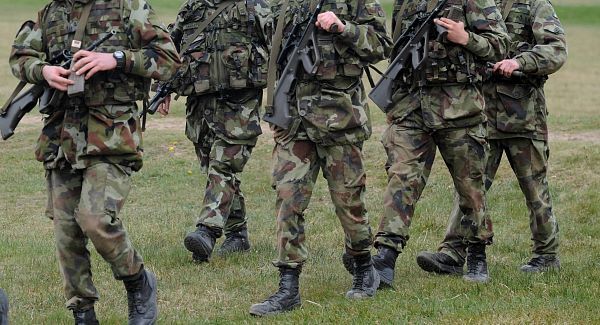
The suggestion has been made to the Government in a submission from RACO (Representative Association for Commissioned Officers) as part of the upcoming Defence White Paper, which is likely to be published in the summer.
It will map out the role of the country’s military in the years ahead.
A copy of the RACO submission, which is among a number submitted by different organisations to the White Paper consultations, has been obtained by the Irish Examiner.
It states that the Defence Forces are “uniquely positioned to take a lead role in cyber security” and “can effectively co-ordinate the appropriate level of national response to the threat in this area”.
Senior officers say it is recognised that a country’s economic and civil infrastructure can be significantly impacted by breaches in cyber security. They add that, because Ireland’s economy is rich in hi-tech industries which deliver an increasing level of State services through the use of technology, we must consider the appropriate level of safeguards that are required to protect the national interests.
RACO has declined to comment further on the submission, saying it is a matter for the Government to consider.
However, a retired senior member of the Defence Forces told the Irish Examiner it is imperative that the Government focuses on future State security and considers the detrimental impact that foreign state-sponsored commercial espionage and cyber terrorism could have on the economy.
He said that, in particular, the army was capable of taking the lead role, “especially the signal intelligence element of the CIS [Communications, Information and Systems Corps] which has the ability to intercept and monitor communications”.
“They can collect data and process it,” the former senior officer said. “We also can deploy unmanned aerial systems [drones]. We have been using them on foreign deployments since 2004 and there’s no reason why they couldn’t be used here if necessary.”
He said the army possesses leading-edge technology in many areas.
The Naval Service is also capable of monitoring communications and is investing in new technology to improve its radar capabilities, while the Air Corps would have a role to play with aerial surveillance.
RACO has also suggested in its submission that it remains strategically important that Ireland continues to support the UN’s efforts at comprehensive peacekeeping — including through the provision of military personnel.
The association has also raised the issue of Nato, saying that this country’s defence and security policy should address our future relationship and interaction with it.


CONNECT WITH US TODAY



Be the first to know the latest news and updates