‘Inconsistencies’ in Wild Atlantic Way to be tackled
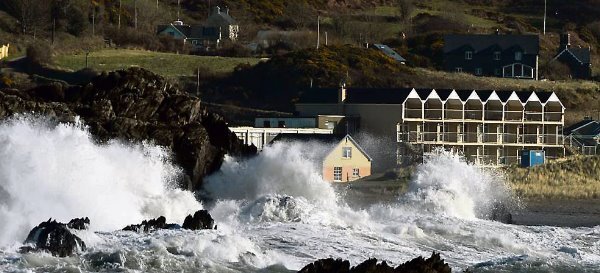
Many communities off the mapped route are seeking inclusion and specific signposting, as the much- heralded project continues to lure thousands more visitors to the western seaboard and some southern towns.
The current 2,500km “spine” runs from the Inishowen Peninsula in Co Donegal to Kinsale in Co Cork, and features all main towns. But there are fears tourists will bypass many lesser-known gems off the beaten path.
A criteria, drawn up in consultation with the National Roads Authority and local authorities, determined that unless a road is wide enough for two cars to pass with ease, Fáilte Ireland would not risk putting a WAW sign on it.
However, head of the Fáilte Ireland WAW programme Fiona Monaghan said the WAW was a starting point, and an ongoing process. “In the review, we will be looking at what’s working and what’s not working, including the route and visitor flow,” she said.
“Pending road upgrading by local authorities, some spurs can be reviewed.
“It’s important to point out that everything west of the route is part of the WAW and we’re encouraging people to visit all those areas,” she stated.
The fishing village of Cromane, off the Ring of Kerry, is one of many seeking to get on the route, highlighting not just its scenery but its pubs, eateries, and relaxed atmosphere.
Local restaurateur Brian Keary believes Cromane has a strong case for a spur.
“We’ve been placed in the top five ‘secret’ destinations in Ireland in the Lonely Planet guide and have the second-largest mussel bed in the country,” he said.
“We also have the natterjack toad and Brent geese.”
Two cars can pass easily on the road to Cromane, but there are claims that areas in West Cork where two vehicles cannot pass easily have been included.
Ms Monaghan, however, said the project was not just about the places on the main route, but opening up the entire west coast to visitors
“This has massive potential to bring more visitors and more jobs to rural communities right along the western seaboard,” she said.
More than €10m has been spent on developing and marketing the WAW. The main route, she said, should be seen as a magnet to guide visitors west to explore towns, villages, and remote areas. “Visitors are free to go where they like and they’re doing that. They like to explore. All communities in coastal areas are going to benefit, whether they’re on the main route or not.”
She said the review would be open to submissions for improvements.

CONNECT WITH US TODAY



Be the first to know the latest news and updates