Greenhouse gases see marginal fall
Emissions from the energy sector decreased by 11.1% due to a rise in the amount of power generated from renewable resources like wind and biomass.
The overall reduction in Irelandâs greenhouse gases was far lower at 0.7%, as a result of an increase in emissions from other sectors â agriculture, transport, waste and household.
Over 70% of Irelandâs greenhouse gas emissions come from three sectors. The highest emitter is agriculture with 32.3%, followed by energy at 19.6% and transport at 19.1%.
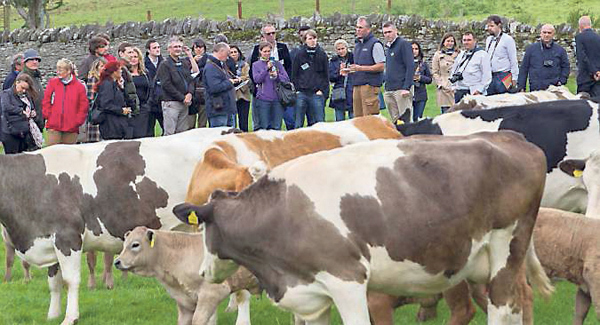
Emissions from agriculture increased by 0.48m tonnes (2.6%) in 2013 due to an increase in the use of fertiliser and animal numbers. Dairy cow numbers were 2% higher, reflecting the success of the Food Harvest 2020 plan to expand milk production. Beef cattle and sheep numbers rose.
The transport sector recorded higher emission levels in 2013, up 2.1% â the first increase in transport emissions in seven years.
This largely reflects a higher use of diesel. Passenger diesel cars increased by 11.4% in 2013 and commercial diesel vehicles increased by 2.8%.
Household emissions rose by 2.6%, representing an increase in solid fuel consumption, and waste emissions climbed by 15.2%.
The figures show Ireland will meet its 2013 emission limit, set by the EU, for key sectors including agriculture, transport, households and waste.
However, the increase in emissions across these sectors points to significant challenges in achieving long-term emission reductions and transitioning to a low-carbon economy.
Dr Eimear Cotter from the EPA said a number of sectors, including agriculture and transport, were âunderperforming.â
âDespite a significant shift towards energy efficient cars, the transport sector showed the first increase in emissions since 2007. This illustrates the challenges associated with achieving long-term emission reductions from this sector particularly in the context of economic growth,â she said.
âIn terms of agriculture, we need action to deliver a carbon neutral agri-food sector by 2050 that encompasses sustainable land management including forestry â this will require commitment at national, EU and international level.â