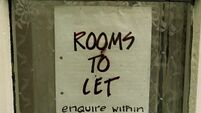
Customs seize 34kg of head shop drugs
The haul is separate to the 4.5 tonnes of drugs removed by gardaí and customs from head shops and warehouses, with the agreement of owners, following a government ban on substances in May 2010.
Releasing the figures to the Irish Examiner, a customs spokesman said the 34kg of mind-altering substances were primarily seized from post in mail centres and air mail.
The figures come as an EU report warns of a “rapid” rise in the availability of psychoactive substances, or so-called legal highs, over the internet. These substances are typically sent through the post.
Following legal restrictions in most EU countries last year — including an outright ban on all such drugs in Ireland — the trade has largely shifted online and onto the illegal market.
The report said the number of online stores selling psychoactive substances — which mimic the effects of drugs like cocaine, ecstasy and cannabis — had jumped 60%, from 170 in 2010 to 277 in 2011.
Customs said that after a ban on substances, including mephedrone, a stimulant powder, and synthetic cannabis mixtures, on May 11, 2010, they were involved in two controlled deliveries in July 2010.
This resulted in the seizure of 1.5kg of mephedrone. He said as a direct result of these operations, a further 2kg of mephedrone was seized in another member state.
The spokesman said 13 seizures of psychoactive substances had been made so far in 2011 in the mail centres in Athlone and Dublin, with a total weight of 0.6kg. He said they generally consisted of psychoactive smoking mixtures.
Separately, gardaí seized 1.5kg of mephedrone in Ballymun in August.
The EU report, produced by the European Monitoring Centre for Drugs and Drug Addiction and Europol, said new psychoactive substances were becoming more widely available at an “unprecedented pace”.
There were 41 new substances reported in 2010, four of them in Ireland, compared to 24 in 2009.
“Over the last years, the number and diversity of new drugs are not only increasing rapidly but also becoming widespread. The flood of new substances requires substantial efforts to keep abreast of new developments,” said the report.
Following the partial ban of May 2010, the last government brought in a catch-all ban under the Criminal Justice Psychoactive Substances Act, which was enacted in August 2010. This led to the closure of the bulk of head shops. Those that remain sell cannabis-related equipment and grow-kits.
The director of Europol Rob Wainwright yesterday said that organised crime groups were “increasingly active in producing and distributing drugs which can be associated with ecstasy”.

CONNECT WITH US TODAY



Be the first to know the latest news and updates