Concerns over doping in greyhound industry
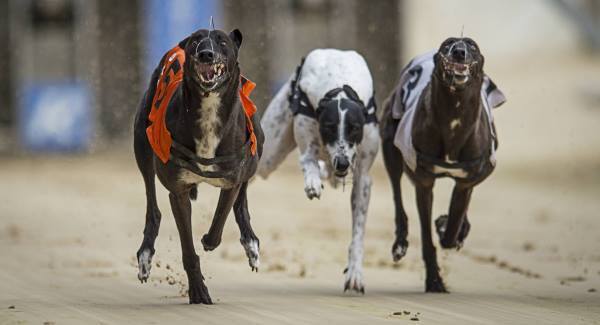
The findings are contained in the Anti-Doping and Medication Review, commissioned by the Irish Greyhound Board (IGB) and conducted on its behalf by UK-based firm Scientialis, led by international veterinary surgeon Tim Morris.
The Morris review was commissioned in December 2014 and published last Friday — almost a year since it was completed.
The review found:
- “Longstanding and significant deficiencies in policies, processes, and [IGB] implementation that have been undermining the integrity and reputation of greyhound racing in Ireland”;
- Improvements being conducted by IGB are being disrupted by “the legacy of mistrust and lack of communication”;
- An “intelligence-led approach” to anti-doping measures is required alongside greater inter-agency co-operation, which could include the horse-racing and equine sectors as well as gardaí;
- Regulations and legislation could also be overhauled with existing measures such as the Animal Remedies Regulations not viewed as easily accessible to support medication control;
- “The current approach to the permissive use of ABPs [animal byproducts] in racing greyhounds in Ireland is incompatible with modern international standards of anti-doping and medication control”, with the review recommending “a total ban on use of category 2 ABPs”.
The report refers to the IGB’s current sampling strategy as being “too routine” with a perception of “no element of surprise”. It recommends out-of-competition testing and at sales as soon as possible.
It also advocates the use of hair sampling and refers to the “sub-optimal laboratory performance” of the National Greyhound Laboratory.
It recommends a targeted testing process and “robust, informed” management of adverse analytical findings “free of potential or perceived conflicts of interest”. It states: “All adverse analytical findings should be made public.”
The review claims that the existing functions of the control committee were “seriously hampered”, while the Greyhound Board of Great Britain do not view the IGB’s results management procedures as sufficient.
In another finding, the review states: “It does not appear that sampling collection procedures are regularly critically assessed by the IGB’s regulation department. The potential issues with the sample collection bottles that might potentially allow tampering with bottles used by the IGB were known to the laboratory staff.”
The greyhound industry here has already been the subject of the Dalton review and the subsequent Indecon report.
On publishing the review, the IGB warned owners and trainers not complying with regulations that “they will be targeted and severely sanctioned from the sport”.
It said out-of-competition testing is now possible through new statutory instruments introduced in the past month.
The IGB also said its “comprehensive” response to concerns within the industry over the past year includes publishing all laboratory results where there is an adverse analytical finding, testing at greyhound sales and trials, and revoking the licences of trainers found to have committed anti-doping breaches.

CONNECT WITH US TODAY



Be the first to know the latest news and updates