Charges to medical card scheme saw fall in use of certain medicines
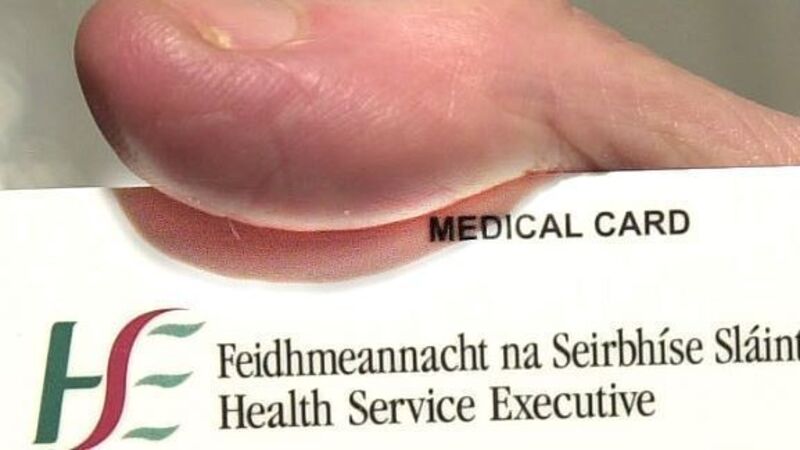
A study funded by the Health Research Board and co-authored by researchers in University College Cork and Trinity College Dublin, tracked how the 50c and €1.50 prescription charges impacted on how patients took their medications.
It studied the database of national pharmacy claims, which holds figures on every prescription filled in by people with medical cards.
They found that, after the 50c prescription charge was introduced in 2010, there was reduced use of all medicines included in the study. The reduction ranged from 2%-5% for most essential medicines, but for anti-depressants, it fell 8%. The fall in adherence to less-essential medicines ranged from 2%-10%.
After the €1.50 charge was introduced in the December 2012 budget, the researchers found the reduction in adherence to most essential medicines was generally smaller than for the 50c charge, except for anti-depressant medicines which dropped by 10%.
Lead author Dr Sarah-Jo Sinnott said: “We found that the charges had a larger impact on whether people continued to take ‘less-essential’ medicines such as painkillers and medicines used to treat stomach acid than it did on people taking ‘essential’ medicines, such as those for lower blood pressure, cholesterol, or for diabetes. The exception to this pattern was that large reductions in the use of anti-depressant medicines were found.”
Prof Helen Whelton, senior author of the paper and now Dean of the School of Dentistry in the University of Leeds, said: “Now that we know the extent to which these charges have affected medication adherence, we need to assess if there has been an impact on health outcomes such as heart attacks and stroke in the Irish medical card population.
“The findings concerning medication use in depression also require further research, as does the new increased charge of €2.50 per prescription item.”


CONNECT WITH US TODAY



Be the first to know the latest news and updates