Bill to suspend water charges
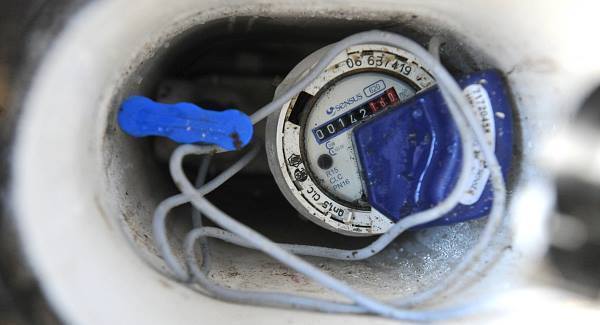
Terms for a commission to examine the future of charges as well as that of Irish Water are also set to be finalised next week.
Housing Minister Simon Coveney brought details of the legislation to suspend charges before his Cabinet colleagues, which will be published later this week.
The particulars of the Water Services Bill were essentially agreed between Fine Gael and Fianna Fáil during the government formation talks and specifically the ‘supply and confidence’ agreement.
A Government spokesman yesterday said charges would be suspended by June 30. But a spokesman for Mr Coveney said this was not conclusive as the date would depend on when the legislation passed through the Houses of the Oireachtas.
Under the Fine Gael and Fianna Fáil deal, charges will be suspended for nine months while a commission examines them. Its recommendations will then be referred to an Oireachtas committee. The Dáil will then vote on that committee’s final recommendations.
Mr Coveney has already indicated that the period of suspension could be longer than nine months. This would likely be the case if the commission or committee’s work did not finish during that time.
Elsewhere, the Cabinet yesterday approved two weeks paternity leave to be introduced in September. This will allow fathers take leave with welfare payments.
Separately, Health Minister Simon Harris also had legislation to outlaw the possession of certain prescription drugs without authorisation agreed at Cabinet. This will essentially fast- track a ban on the use of benzodiazepines and Z drugs, where there is no prescription, a move that has been sought by gardaí and drug addiction support groups in urban areas, particularly in Dublin.
Benzodiazepines and z- drugs are controlled under existing misuse of drugs legislation whereby it is illegal to sell them without a prescription. Extending this legislation will make it an offence to possess the drugs without a prescription.
Reviews of legislation on the possession of certain prescription drugs began in 2013, but were derailed by a constitutional court challenge which overturned existing drug laws. Emergency legislation reinstated those last year, but complicating factors put back work on banning the street use of certain prescription drugs.
CONNECT WITH US TODAY



Be the first to know the latest news and updates