1bn jobs depend on bees, insects
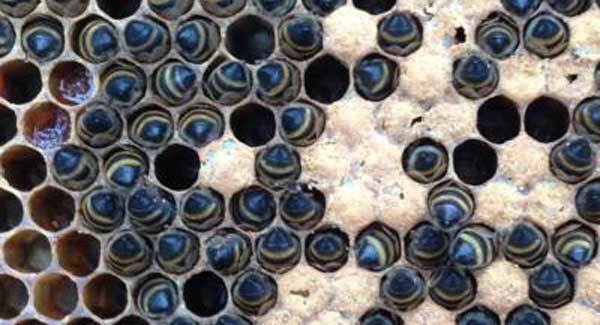
Scientists are warning that urgent action is needed to halt a global decline in pollinators which threat- ens economies and food supplies.
The authors of a major UN report blame the decline of pollinators on habitat loss, climate change, and farming methods.
Possible solutions include building “bee highways” to allow the insects to move freely between foraging locations, reducing “green deserts” — landscapes dominated by a single crop species — and helping farmers work with nature.
Lead scientist Prof Simon Potts of the University of Reading, said: “We conducted the most thorough review of the science ever undertaken, sifting through all the available evidence, to provide governments with the best and latest evidence on pollinator decline.
“The UN report is a good start, but now we need action. We need governments, farmers, industry, and the public around the world to act to stop further declines in bees and other pollinating animals. It’s not all bad news for bees, and luckily we still have options to help. Doing nothing is a big risk that could endanger the global supply of nutritious foods and the livelihoods of millions of people.”
The report published in the journal Nature estimates that 1.4bn jobs worldwide depend on pollinating insects such as bees, beetles, and butterflies.
Three quarters of the world’s crops, worth $500bn (€473bn), rely on nature’s pollinators, say the experts.
In addition, the report highlights how safety procedures for new pesticides and genetically modified crops could be tightened to protect beneficial wild insects.
Currently, regulators only require manufacturers to assess risks to managed honeybees, not wild species.
Pollinator decline will be high on the agenda at UN conservation talks taking place in Cancun, Mexico, next month.
Norman Carreck, a bee expert from the Laboratory of Apiculture and Social Insects at the University of Sussex, called the UN report “wide-ranging and novel”.
“Animal-pollinated crops supply many vital micronutrients and a lack of such crops due to pollinator decline could lead to deficiencies and other human disease.”
CONNECT WITH US TODAY



Be the first to know the latest news and updates