US and UK rates lift-off good news for Irish exporters
We believe it is very important that the Fed raises rates as soon as possible, if only to send a positive signal to financial markets that it has confidence in the US economic recovery and a return to more “normal” conditions.
Our money is on a quarter-point rate hike in September, the first increase since 2006. That should help strengthen the dollar versus the euro, which would be good news for Irish exporters.
But with the tightening cycle likely to be slow and gradual and with the eurozone economic recovery set to gain momentum over the next 12 months, the euro is likely to be stronger versus the greenback next year than where it is now.
Earlier this year some analysts were talking about the euro falling to parity and possibly beyond versus the greenback. However, we now think it is more likely the single currency will appreciate back up to $1.20 over the next 12 to 15 months.
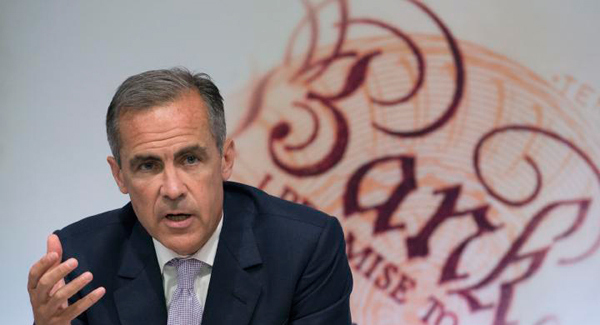
Another positive on the currency front may come from stronger sterling, resulting from higher UK interest rates. As with the US, financial markets are waiting for lift-off for UK rates too. Most analysts believe that the Bank of England will wait for the Fed to move before taking similar action. But comments in the past week from a number of officials suggest an increase may not be that far away.
All in all, we think there is a good chance that UK rates will be raised at some point over the next six months, which should boost the pound, at least temporarily, against the euro.
Even now well into August, we are still unsure as to whether the US central bank will begin lift-off and raise US interest rates for the first time since 2006, next month.
In its most recent policy statement from its July 28-29 meeting, the Fed said it continued to judge the risks to the US economy as “nearly balanced,” meaning it still sees a greater threat of a new downturn than it does of accelerating inflation and excessive growth.
The central bank will have nearly a two-month dose of data to pore over at its September 16-17 meeting to either confirm the economy’s strength or decide on a continued pause.
In the past, changes in economic conditions have even caused the Fed to see risks tilted in one direction at one meeting, but then move in the other at the next. Rates have stayed near zero since December 2008.
More than five years later, in July 2013, the Fed for the first time since the crisis noted that the downside risks to the economy were beginning to recede.
Alan McQuaid is chief economist at Merrion Capital


CONNECT WITH US TODAY



Be the first to know the latest news and updates