UK sets tougher target for balancing budgets
The updated Charter would require the cyclically-adjusted current budget deficit to be eliminated by 2017/18 and public sector net debt to be falling as a percentage of GDP in 2016-17. It tightens the time horizon for eliminating the deficit from five years in the original 2010 Charter to three years now.
MPs will be asked to approve the document early in the New Year, in a House of Commons vote which is potentially awkward for Labour, who have so far said only that they will balance the current budget “as soon as possible” after next year’s general election.
The new Charter confirms that £30bn of further “consolidation”— cuts in public expenditure or tax rises — will be needed by 2017/18 to meet the revised fiscal mandate. However, it does not include Conservatives’ plans to produce a £23bn surplus by the end of the next Parliament, which is not endorsed by their Liberal Democrat coalition partners.
Its publication came as David Cameron warned voters that Labour’s economic plans amounted to a “massive gamble with our future” which would result in “total and utter chaos”,
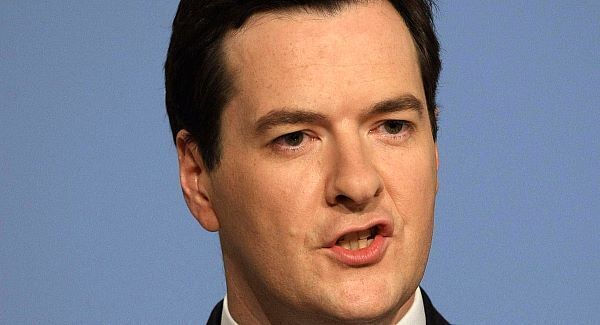
Chancellor George Osborne said:
“I have always been clear that more tough choices will need to be made in the next parliament to eliminate the deficit and get debt falling.

CONNECT WITH US TODAY



Be the first to know the latest news and updates