Banks have assets but any sale would mean losses
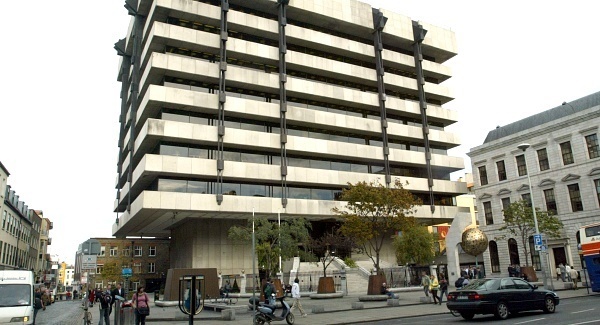
The pillar banks — Bank of Ireland, AIB, and Permanent TSB — had to offload a total of €34bn to meet deleveraging targets agreed with the troika.
Bank of Ireland has sold €10bn worth of assets at a haircut of roughly 8%. AIB has divested €17bn of assets, well within the losses assumed by the Central Bank’s prudential capital assessment review conducted in Mar 2011.
Danske Bank has €4.7bn in non-core assets. IBRC has a loan book of €25bn which it has to run down over the next eight years. Ulster Bank has €6.2bn in a non-core loanbook it has to run down.
According to a senior executive with one of the pillar banks, who did not want to be named, there had been tensions between the Department of Finance and the covered banks during 2011 over the pace of deleveraging, with the department putting pressure on the banks to meet their targets as quickly as possible.
This raised concerns among the banks that a firesale of assets would create a capital hit that would require a future recapitalisation.
The Department of Finance denies this version of events and points out that all targets have been reached without incurring losses that exceeded the review limits.
Bank of Ireland and AIB both benefited from more favourable markets for their international assets, which kept losses to a minimum. Bank of Ireland still has to offload its UK-based Bristol & West €29bn mortgage book.
But the remaining assets held by the banks are mostly in the Irish property sector. Last month, it was announced that UK bank Lloyds had sold a €1.8bn loanbook belonging to Bank of Scotland Ireland for €149m, which is less than 10 cents in the euro.
Market sources say that is not an accurate reflection of the market. Bank of Scotland Ireland had come late to property lending which meant it had poor-quality assets. Moreover, Lloyds had made aggressive provisions against losses in its Irish operations as it was looking for a quick exit from this country.
US distressed debt specialists Apollo Global Management took over the Lloyds book. However, there are signs the market could be normalising.
The giant hedge fund Blackstone bought the landmark Burlington Hotel for €67m, which is less than one-quarter of what property developer Bernard McNamara paid for it in 2007.
Blackstone is said to be on the lookout for more Irish assets. It is believed another US private equity firm, Colony Capital, is also looking at the Irish market.
But sources say there is insufficient liquidity in the system to get property prices moving again. As long as banks are deleveraging they will be looking to increase their deposit bases and shrink their loanbooks, which means they won’t be lending over the near- to medium-term.
An overall recovery hinges on wider developments, particularly a recovery across the eurozone and visibility on whether the Government can secure a restructuring to the €64bn in bank debt.
CONNECT WITH US TODAY



Be the first to know the latest news and updates