Iraqis mark fall of Baghdad with anti-US rally
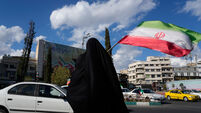
Thousands of Iraqis marched through the city of Najaf today for an annual march to mark the anniversary of the fall of Baghdad.
The rally, organised by anti-American cleric Muqtada al-Sadr, saw marchers shout: “Iraq is for Iraqis,” and: “There is no place for occupiers.”
“If you stay united, you will defeat the occupier and get them out of our sacred land,” said al-Sadr’s aide Sayyid Hazim Al-Araji, reading a speech on behalf of the now Iran-based cleric.
“If you divide, the occupier and its supporters will stay in our land,” he said.
US Brig Gen Ralph Baker told reporters in Baghdad earlier this week that he understands there are “some Iraqis that think the US military will never leave Iraq”.
The US plans to reduce troop levels from some 96,000 to 50,000 by August 31, when it will end combat operations. As part of an agreement with Iraq, the US will withdraw all forces by the end of 2011.
Brig Gen Baker insisted the draw-down plans were on track and have not changed despite recent violence.
The protest came as al-Qaida’s umbrella group in Iraq today claimed responsibility for a triple suicide bombing outside foreign embassies in Baghdad, which killed more than 40 people.
The group, known as the Islamic State of Iraq, posted a statement on a website that carries al-Qaida and other militant declarations.
The statement said the embassy attacks last Sunday were a “new strike into the heart of the security plan” in the Iraqi capital. It also said “all diplomatic corps, embassies and international organisations” dealing with the Iraqi government are “legitimate targets”.
The embassy bombings are part of a wave of recent violence in and around the capital that has killed some 120 people in a week.
Extremists seem to be trying to provoke mayhem as Iraq’s politicians negotiate to form a stable government after the March 7 parliamentary election that failed to produce a clear winner.
A secular front-runner bloc is currently holding talks with religious Shia parties – a threatening prospect for insurgents whose stock-in-trade is rage, not peace.
The attacks could further stoke sectarian tensions, which in turn may make Shia parties less likely to join former prime minister Ayad Allawi, a secular Shia backed by Sunnis.
Mr Allawi’s political coalition, Iraqiya, came out ahead in the vote, narrowly edging Prime Minister Nouri al-Maliki’s bloc by just two seats. Mr Allawi has raised the prospect that terror attacks will only increase if the negotiations over forming a new government drag on for months.
CONNECT WITH US TODAY



Be the first to know the latest news and updates