Public pay strike action - Cruising into a ‘Winter of Discontent’
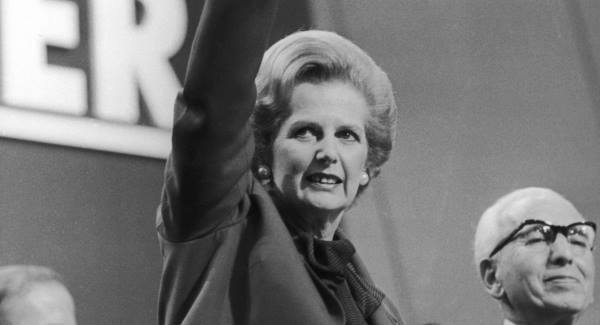
Known as the ‘Winter of Discontent’, in a line taken from Shakespeare’s Richard III, it began in the autumn of 1978 and was crystalised with media images of rubbish piling up on the streets of London and other major cities.
It was a time when trade unions wielded huge power in the UK and gave Thatcher the impetus to put major restrictions on their influence.
Being less industrialised, trade unions were not quite so powerful in Ireland but there is little doubt that they held enough control to cause long-lasting damage to labour- intensive essential services.
The Seventies in Ireland was the decade of disputes. The 1974 Dublin Bus strike, the 1976 bank strike and the 1979 PAYE strikes were among the most long lasting.
Indeed, strikes in the banks were nothing new. There was one in 1966 and another in 1970 that lasted almost six months, causing chaos, not just for the public and businesses but on the stock market as well. The worst year was 1979 when 1.4 million days were lost in Ireland due to strikes.
In more recent times, we thought we had put all that behind us. Bertie Ahern’s Social Parnership policy did much to lessen strikes, as did the setting up of the Labour Relations Commission in 1991 but, with senior as well as rank-and-file gardaí gearing up for unprecedented strikes, the prospect is that we could now be heading for our own Winter of Discontent.
The Association of Garda Sergeants and Inspectors has announced what it calls a “sustained campaign of industrial action”, including joining 10,500 rank-and-file gardaí on strike for four days next month.
That is an appalling vista for the general public who see very little garda presence on our streets as it is.
In the past year, we have seen postal, bus, train and LUAS strikes and more is looming as members of the teacher union ASTI are set to walk out of their classrooms.
The Cabinet yesterday formally announced the setting up of a Public Service Pay Commission to examine pay levels across the public service. This was a commitment in the Programme for Partnership Government.
Will it make any difference? Unlikely in the short-term for two reasons: firstly, it will not be in a position to report until next summer. Secondly, it will only have an advisory function.
Considering what we are facing — classrooms empty of teachers and streets empty of gardaí — there appears to be a worrying lack of urgency on the part of the Government.
By continuing to insist that the Landsdowne Road Agreement is the only show in town, the Government is already tying its hands in negotiating with the gardaí.
Taking a principled stand on the grounds of fairness to others may appear resolute but it poses the danger that we could be heading for a 21st century Winter of Discontent.
CONNECT WITH US TODAY



Be the first to know the latest news and updates