Limerick can emerge from debacle with strong legacy
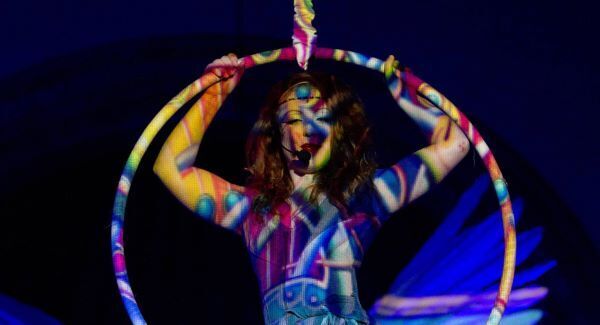
I had the honour of chairing the board of directors when Cork was the European Capital of Culture and I firmly believe that, the negativity created recent events, Limerick can and will put the past week behind it, seize the fantastic opportunity to highlight all that is positive about that fine city and get on with the project.
It will not be easy, I acknowledge that, but it is essential for the people of Limerick and its hinterland that the show goes on. It is encouraging to see that a new artistic director has been appointed and appears an individual with significant experience in the arts.
As with Cork in 2005, Limerick is aiming to deliver a programme of cultural events and engagement with the people and the artistic community in the city for one year. The initiative is designed to bring artists, arts bodies, community groups, local authorities, and members of the public in a city together to showcase what the city has to offer in terms of artistic and cultural endeavour.
As has been the case with Cork, the designation as City of Culture can provide for a longer-lasting positive impact for Limerick. It brings a unique and important opportunity to showcase the talents of a city, as well as unprecedented media attention.
As Limerick discovered in the last few weeks, and which we experienced to a lesser extent in Cork, not all of this coverage is positive. However, the overriding memory and legacy of Cork 2005 is a positive one.
The work that went into Cork hosting the European City of Culture paid significant dividends. A research report commissioned by Cork City Council and prepared by researchers in DIT concluded: “The designation was a boost for the city’s cultural sector. The organisations surveyed had extended their artistic ambitions and taken their production to new levels.”
For me, an important and lasting legacy of 2005 is that Cork built on its tradition as a city of festivals, something that endures today. St Patrick’s Day in the city is now a three-day festival. The jazz festival, the choral festival, the midsummer festival, the film festival, and the folk festival are stronger today as a result of 2005 and continue to attract thousands of visitors.
Cork City Council established a limited company, Cork 2005 Ltd, to develop a cultural programme, generate funding, and market the event. This company reported to a City Council-appointed board of directors.
In 2005, 1m people attended official events across Cork City. The major successes, from the public’s point of view, were the family events on the streets of their city — the opening ceremony, the St Patrick’s Day parade, street theatre programmes, the Céilí Mór, and the Christmas light events. A large volume of activity also took place away from the public eye in a wide range of residency and community-based projects.
More than 30,000 people, including schoolchildren, trade union members, youth groups, asylum seekers, the sick, and the elderly participated in more than 600 creative workshops across the city. Limerick has similar plans for this year. Those experiences still resonate with the participants.
The most successful initiatives from Cork 2005 were those that involved and reached out to communities. These events generated significant momentum and, as the year went on, more and more organisations became involved. This will also happen in Limerick.
Cork 2005 was a fascinating rollercoaster of a year. Nothing ever goes exactly according to plan but today we have a more confident and vibrant cultural and artistic scene in our city, a city that attracts hundreds of thousands of tourists from home and abroad. This must be Limerick’s goal.
* Senator Deirdre Clune was chair of the board of directors when Cork was the European Capital of Culture in 2005
CONNECT WITH US TODAY



Be the first to know the latest news and updates