Slow Roast Shoulder of Spring Lamb with Wild Garlic Aioli
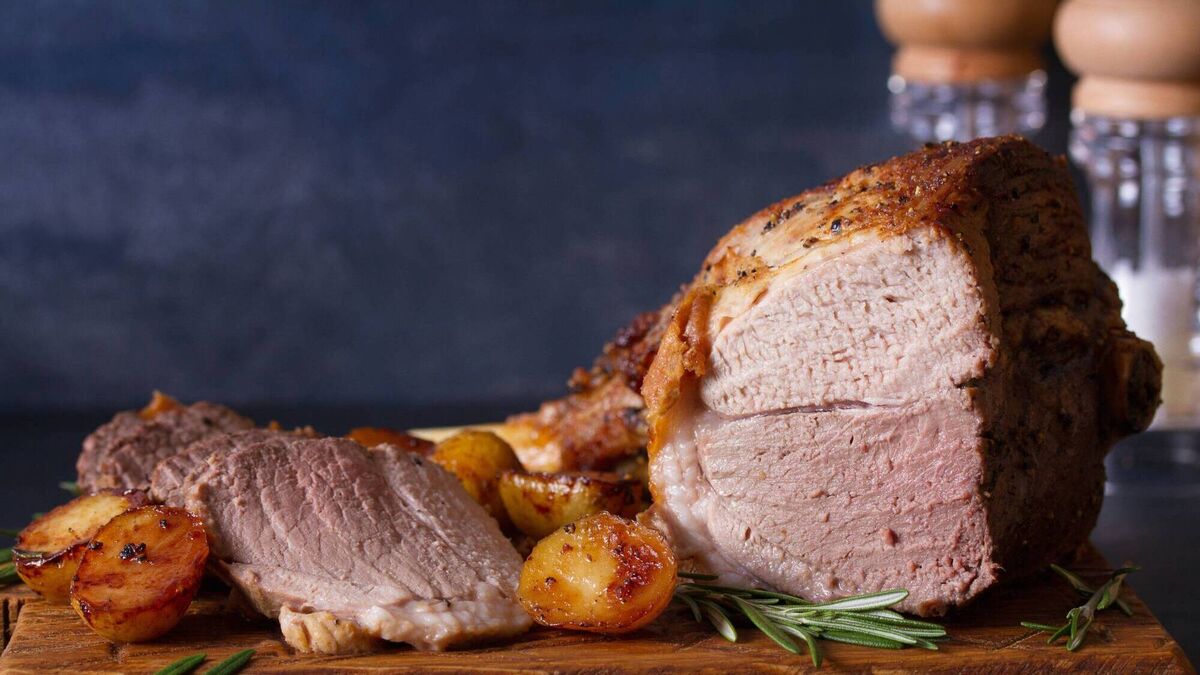
Forget perfect slices, cook to melting tenderness and just lift little chunks off the bone with tongs. The wild garlic aioli makes a tempting change from mint sauce.
SERVES
8
PEOPLE
PREP TIME
20
MINUTES
COOKING TIME
180
MINUTES
Ingredients
1 whole shoulder of spring lamb on the bone, weighing about 3.6kg
Maldon sea salt and freshly ground pepper
For the wild garlic aioli
2 egg yolks, preferably free range
¼ tsp salt
Pinch of English mustard
1 tsp white wine vinegar
225ml oil: We use 175ml sunflower oil and 50ml olive oil, alternatively use 7/1
1-2 large cloves of garlic
2 tsp chopped parsley
2 tsp chopped wild garlic leaves (Allium ursinum)
4-6 tbsp lamb cooking juices
Method
Preheat the oven to 180°C/Gas Mark 4. Place the lamb shoulder in a wide roasting tin or oven tray with the skin side up. Score the skin to encourage the fat to run out during the cooking and to crisp up the skin. Season with sea salt and freshly cracked pepper. Place in a roasting tin, transfer to the oven and roast for 30 minutes before turning the temperature down to 160°C/Gas Mark 3 for a further 2 ½ to 3 hours or until the meat is soft and succulent and will lift off the bones.
Meanwhile, make the aioli.
Note: The crushed garlic may be mixed into the mayonnaise for the aioli, but this sauce cannot be finished until we have the juices from the cooked lamb.
Put the egg yolks into a bowl with the crushed garlic, mustard, salt and the white wine vinegar (keep the whites to make meringues). Put the oil into a measure.
Take a whisk in one hand and the oil in the other and drip the oil onto the egg yolks, drop by drop whisking at the same time. Within a minute you will notice that the mixture is beginning to thicken. When this happens, you can add the oil a little faster, but don’t get too cheeky or it will suddenly curdle because the egg yolks can only absorb the oil at a certain pace. Taste and add a little more seasoning and a touch more vinegar if necessary.
To test if the lamb is cooked to a melting tenderness, pull the shank bone and some of the meat should come away easily from the bone.
When the lamb is cooked, remove from the oven. There will be plenty of fatty cooking juices. Strain these through a sieve into a bowl. Keep the lamb warm in the oven with the temperature reduced to 100°C/Gas Mark ¼.
When the fat has risen to the surface of the lamb cooking juices, skim carefully and thoroughly with a spoon. Bring the remaining juices to a simmer and taste and correct seasoning.
Thin out the garlic mayonnaise with 4-6 tablespoons of the degreased juice to achieve a consistency similar to softly whipped cream or in other words the mayonnaise should now just lightly coat the back of a spoon. Taste and correct the seasoning.
To serve the lamb, a tongs or serving fork and spoon are the best implements to remove the meat from the bones.
Prise largish pieces off the bones and serve on hot plates with some of the hot cooking juices, wild garlic aioli and lots of crusty roast potatoes.