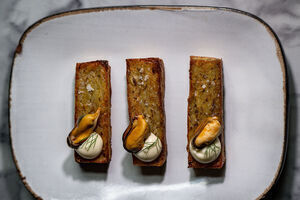
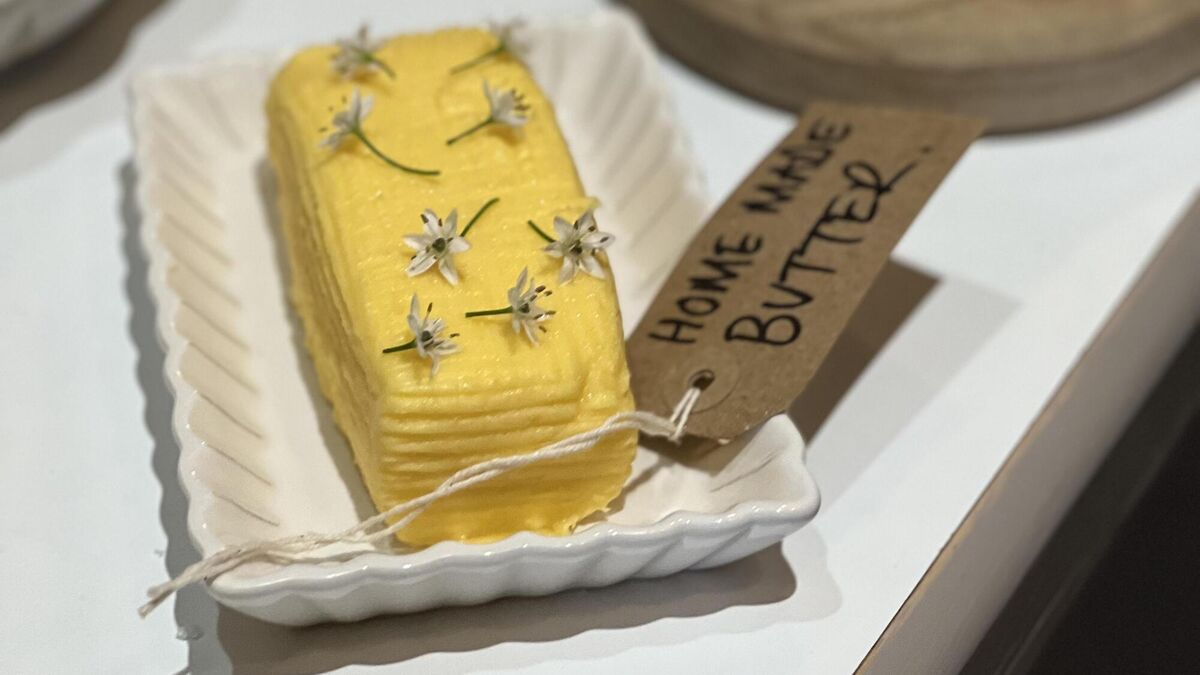
Homemade Jersey Butter
Unsalted butter should be eaten within a few days, but the addition of salt will preserve it for two to three weeks. You can make butter with any quantity of cream (even a punnet). Make extra and share with friends, they’ll be mightily impressed.
Ingredients
2 tsp pure dairy salt (optional)
pair of butter bats or hands
2.4 litres unpasteurised or pasteurised rich double cream at room temperature (we use our own Jersey cream)
Method
Makes about 1kg butter and 1 litre buttermilk.
Soak the wooden butter bats or hands in iced water for about 30 minutes so they do not stick to the butter.
Pour the double cream into a cold, sterilized mixing bowl. If it’s homogenised, it will still whip, but not as well. If you’re using raw cream and want a more traditional taste, leave it to ripen in a cool place, where the temperature is about 8°C (46°F), for up to 48 hours.
Whisk the cream at a medium speed in a food mixer until it is thick. First it will be softly whipped, then stiffly whipped. Continue until the whipped cream collapses and separates into butterfat globules. The buttermilk will separate from the butter and slosh around the bottom of the bowl. Turn the mixture into a cold, spotlessly clean sieve and drain well. The butter remains in the sieve while the buttermilk drains into the bowl. (The buttermilk can be used to make soda bread or as a thirst-quenching drink - it will not taste sour).
Put the butter back into the clean mixer bowl and beat with the whisk for a further 30 seconds to 1 minute to expel more buttermilk. Remove and drain as before. Fill the bowl containing the butter with very cold water. Use the butter bats or your clean hands to knead the butter to force out as much buttermilk as possible. This is important, as any buttermilk left in the butter will sour and the butter will deteriorate quickly.
Note: If you handle the butter too much with warm hands, it will liquefy.
Drain off the water, cover and wash twice more, until the water is totally clear. Drain and divide the butter into 110g, 225g or 450g slabs. Pat into shape with the wet butter hands or bats.
N.B. Make sure the butter hands or bats have been soaked in ice-cold water for at least 30 minutes before using to stop the butter sticking to the ridges. Wrap in greaseproof or waxed paper and keep chilled in a fridge. The butter also freezes well.
Weigh the butter and calculate 2% of the total weight of pure salt. Spread it out in a thin layer, sprinkle evenly with the dairy salt and mix well. Mix thoroughly using the butter pats, then weigh into slabs as before.
For unsalted butter, omit the salt, cover well. Use the unsalted butter ASAP because it deteriorates faster – salt is a preservative.
Darina’s Top Tips:
- Remember, sunlight taints butter (and milk) in a short time, so if you are serving butter outdoors, keep it covered.
- Always keep butter covered in the fridge, otherwise it will become tainted by other flavours (rarely a bonus).
- This recipe may be halved for a small quantity.
- We use 2% salt.