A week-long hike, a three-day hike, or a day out — the Kerry Way has it all
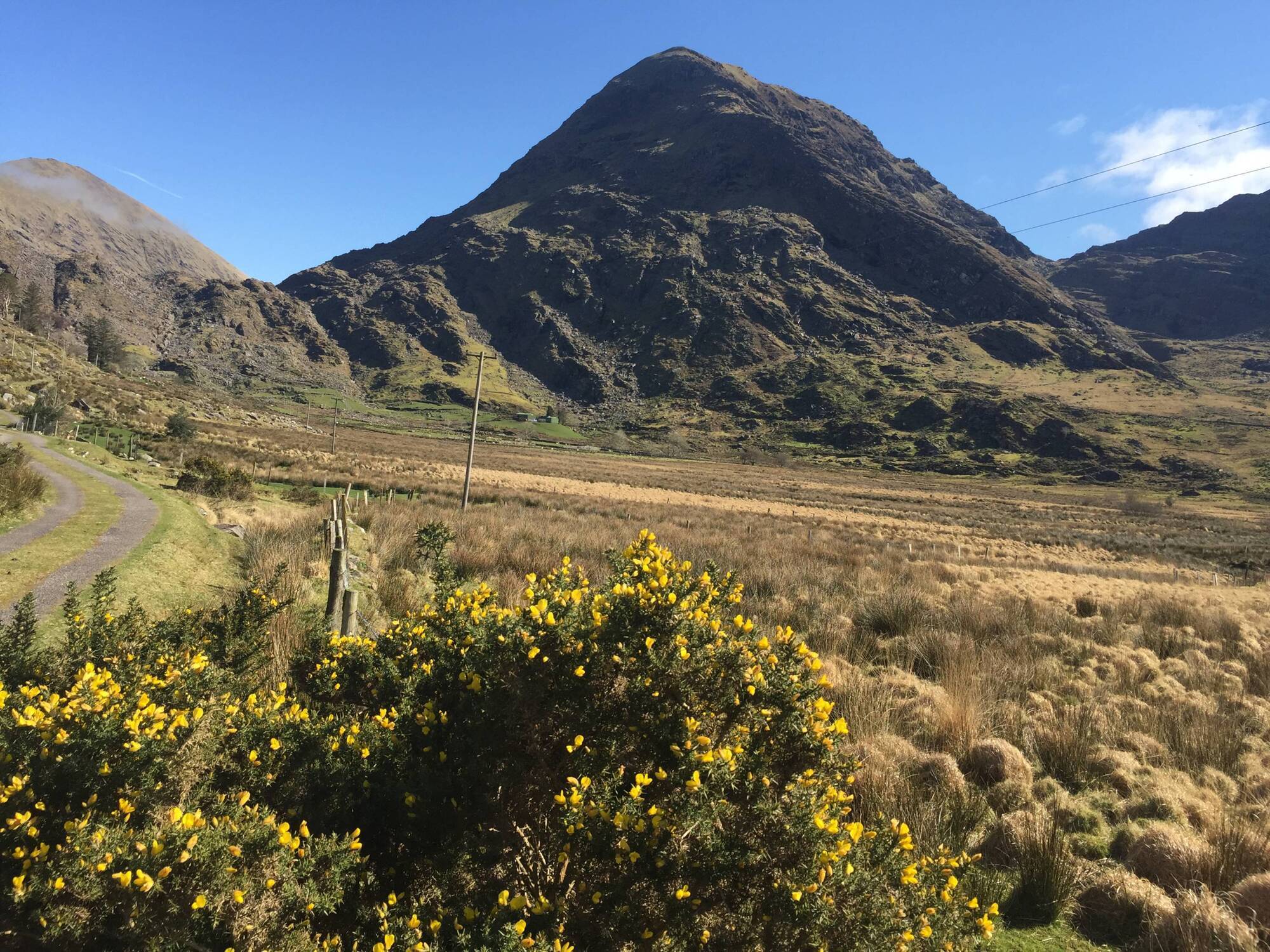
The Bridia Valley, Kerry Way. Pictures: John G O'Dwyer
In the 19th century, long-distance hiking hardly existed as an endeavour. Ordinary people were fixated on a daily struggle to lift themselves from poverty with the result that esoteric practices, such as multi-day hikes, didn’t really feature as leisure options. Walking was dictated by necessity and people avoided it if they could since it was seen, not as pleasurable, but as a means to an end.
Change came in the early 20th century with a movement in the USA that viewed extended hiking not as a chore, but as having merit in itself.
Soon, fully waymarked multi-day routes, such as the Vermont Long Trail and the Appalachian Trail, had been created.
In Europe, the development of long-distance hiking routes began in France after World War II and was later facilitated across the continent by open borders and increased statutory holidays.
Multi-day walking first came to Ireland in 1982 with the opening of the Wicklow Way at the initiative of English-born hiker, JB Malone.
The idea of a route on the Iveragh Peninsula was then proposed by the Killorglin-based Laune Mountaineering Club, where renowned hillwalker and author Sean O’Suilleabhain was the driving force. He proposed combining ancient paths, mountain trails and back roads to form a circuit of Iveragh, with those finishing the route conveniently arriving back to their start point. The idea was accepted and the full 210-kilometre circuit was completed and officially opened in 1989 under the moniker The Kerry Way — or in the Irish language, Slí Uíbh Ráthaigh.
Since then, it has developed into Ireland’s best-known long-distance trail and has been instrumental in distributing spending to remoter areas of Iveragh. In many ways, the Kerry Way now chimes with the times, since it is all about 'slow tourism' and a deeper interaction with people and landscape. A particular hit with overseas hikers, the route was once described as a way to the very soul of rural Ireland.
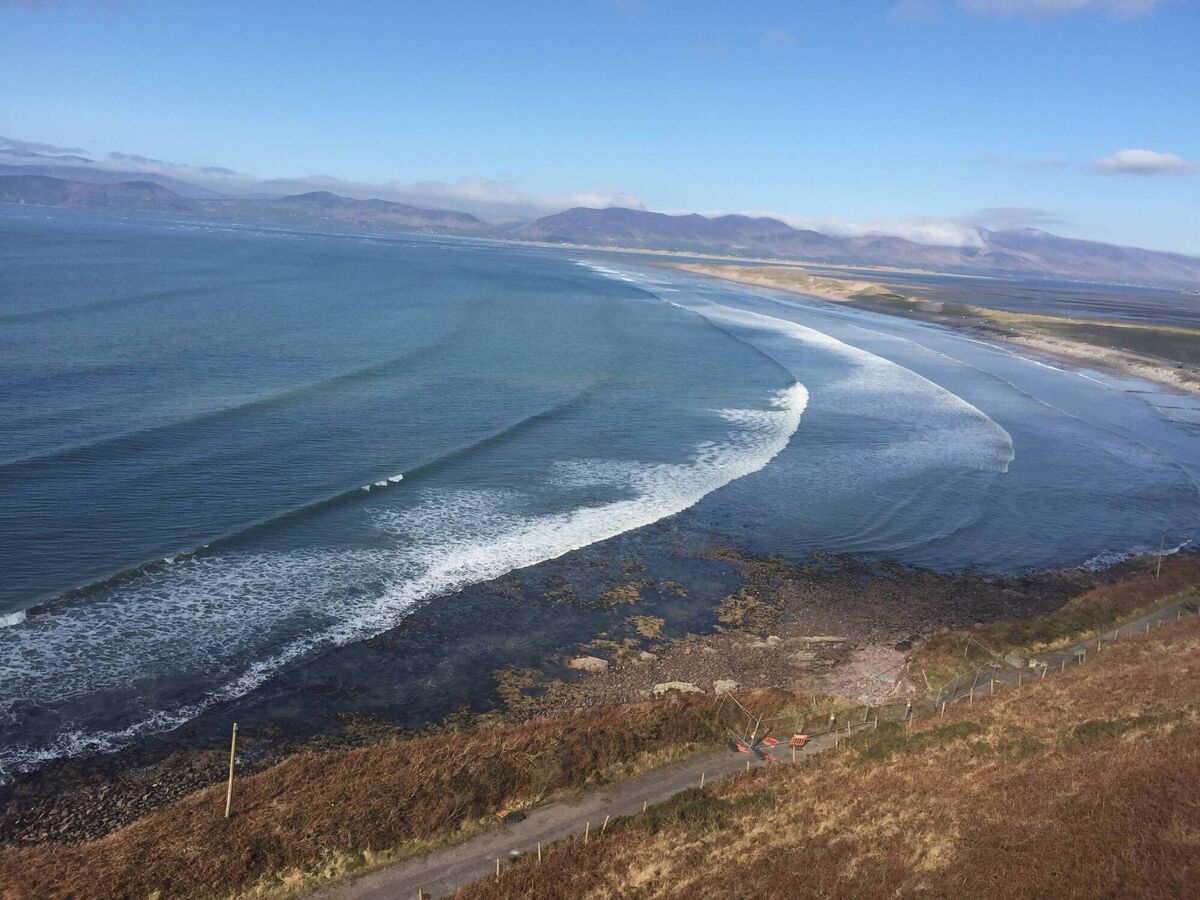
Starting from and finishing in Killarney, the KW is a diverse and spectacular trail, meandering through a wild and exuberant landscape that seem unhitched from modernity. Along its 210 kilometres, it glides by dramatic peaks and windswept loughs, while encountering hidden glens, wild moorlands, and magnificent coastal vistas.
Often described as a leaf attached by its stem to Killarney, the highlights on the outer journey include expansive lake views; the busy cascades of Torc Waterfall; Derrycunnihy Oak Wood; views of MacGillycuddy’s Reeks and Carrauntoohil; scenic Glencar; an old coach road above Dingle Bay and panoramic views from high ridges approaching Waterville.
On the return to Killarney, there are breathtaking vistas from the head of Coomakista Pass, a traverse by Derrynane House (former home of Liberator, Daniel O’Connell), memorable overnights in atmospheric Sneem and bustling Kenmare, before finally approaching Killarney along an old roadway.
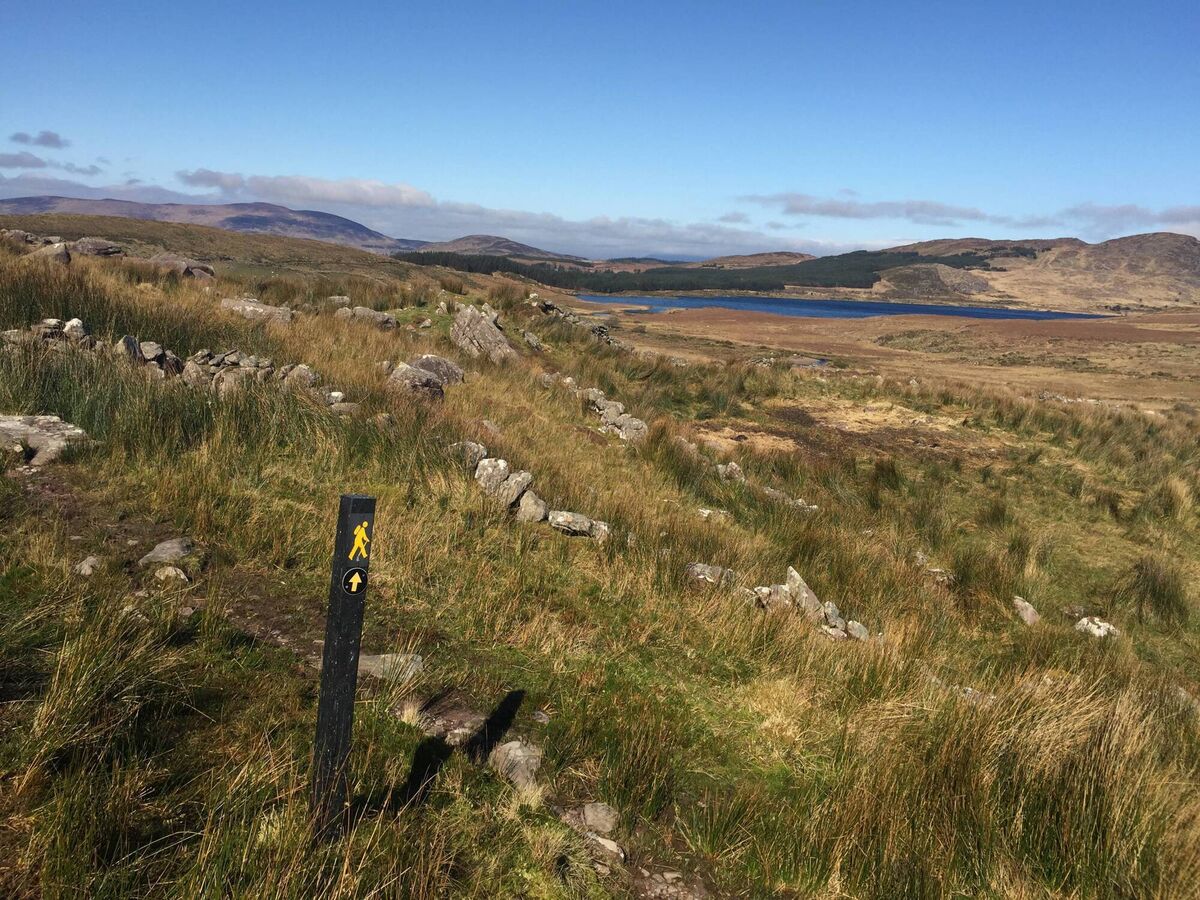
If all this has you thinking of taking on the Kerry Way challenge, you will require more than a week to finish it, since it is traditionally broken into nine stages. Completing the route as one continuous hike is, however, a considerable test of stamina and endurance. If you live in Ireland, you have a more agreeable option — to traverse the Way over several leisurely visits, while perhaps making time for side excursions en route.
At this stage, it may come as a surprise to learn that the Way isn’t just one defined path, but sometimes offers a bewildering choice of trails.
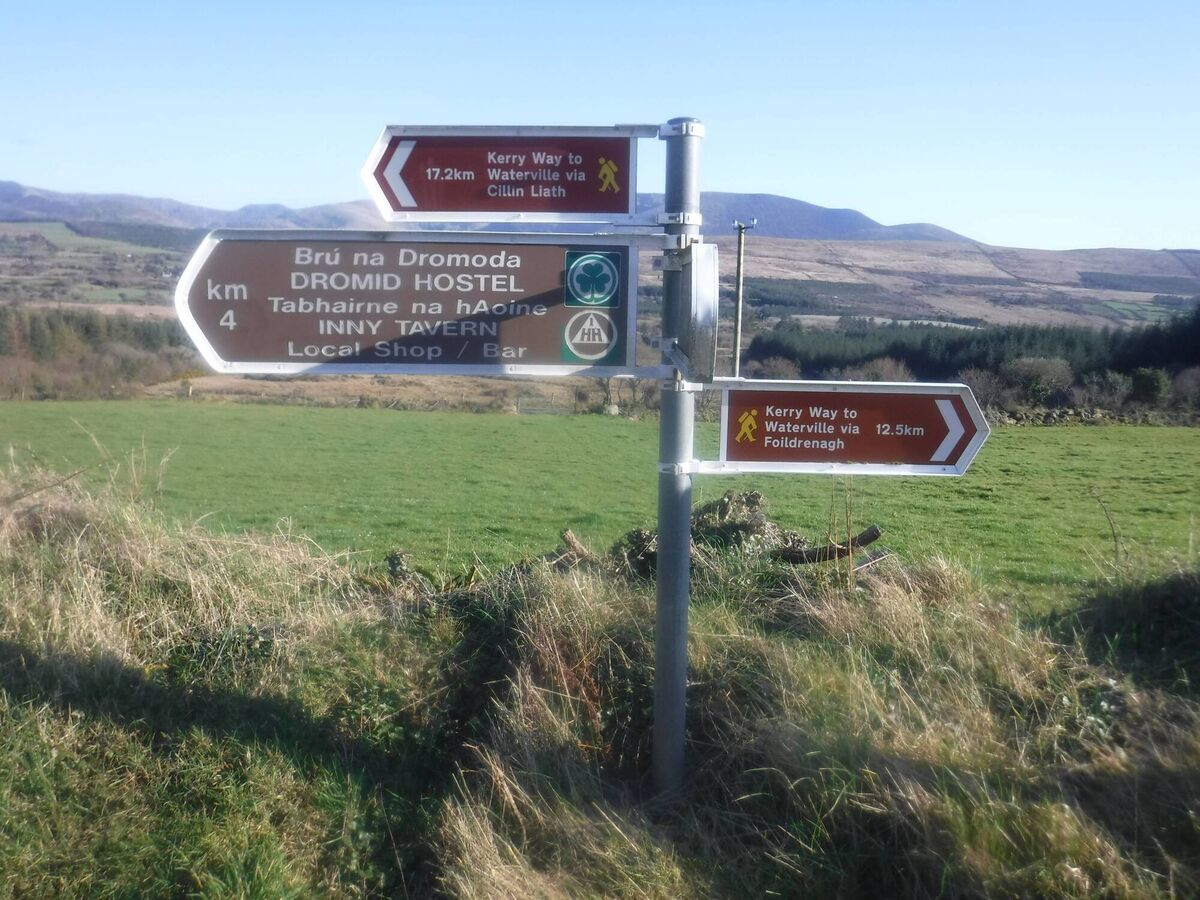
Newbies wishing to shorten the Way can cut out the inconvenient Cahersiveen overnight, which means saving on a 20 kilometres there-and-back walk. This works best by supporting the local community and staying at Dromid Hostel near Mastergeehy, but this makes for a 33 kilometre day. The reward is a short outing the next day, giving plenty of time to enjoy hugely scenic Waterville.
Another option for the time poor is to create an eight-day hike by leaving out Waterville and walking directly from Dromid to Caherdaniel, although this means missing out on one of the most compelling overnights on the route.
- Walkers should come prepared for unforeseen eventualities with spare clothing and extra food.
- Phones should be fully charged before setting out and you should also carry a map and compass and know how to use them in mist.
- If walking solo, make sure somebody knows your expected arrival time at the next destination.
To complete the Kerry Way, you can purchase a package from a tour company providing accommodation and luggage transfer to the next destination. This option costs more but offers the advantage of guaranteed accommodation after the day and onward luggage transfer.
Otherwise, you must self-book your accommodation and carry a heavier pack, but whatever option you choose, it is unlikely you will ever forget your time on the Kerry Way.
CONNECT WITH US TODAY



Be the first to know the latest news and updates