Hiking Ireland’s longest waymarked walking trail takes around three weeks
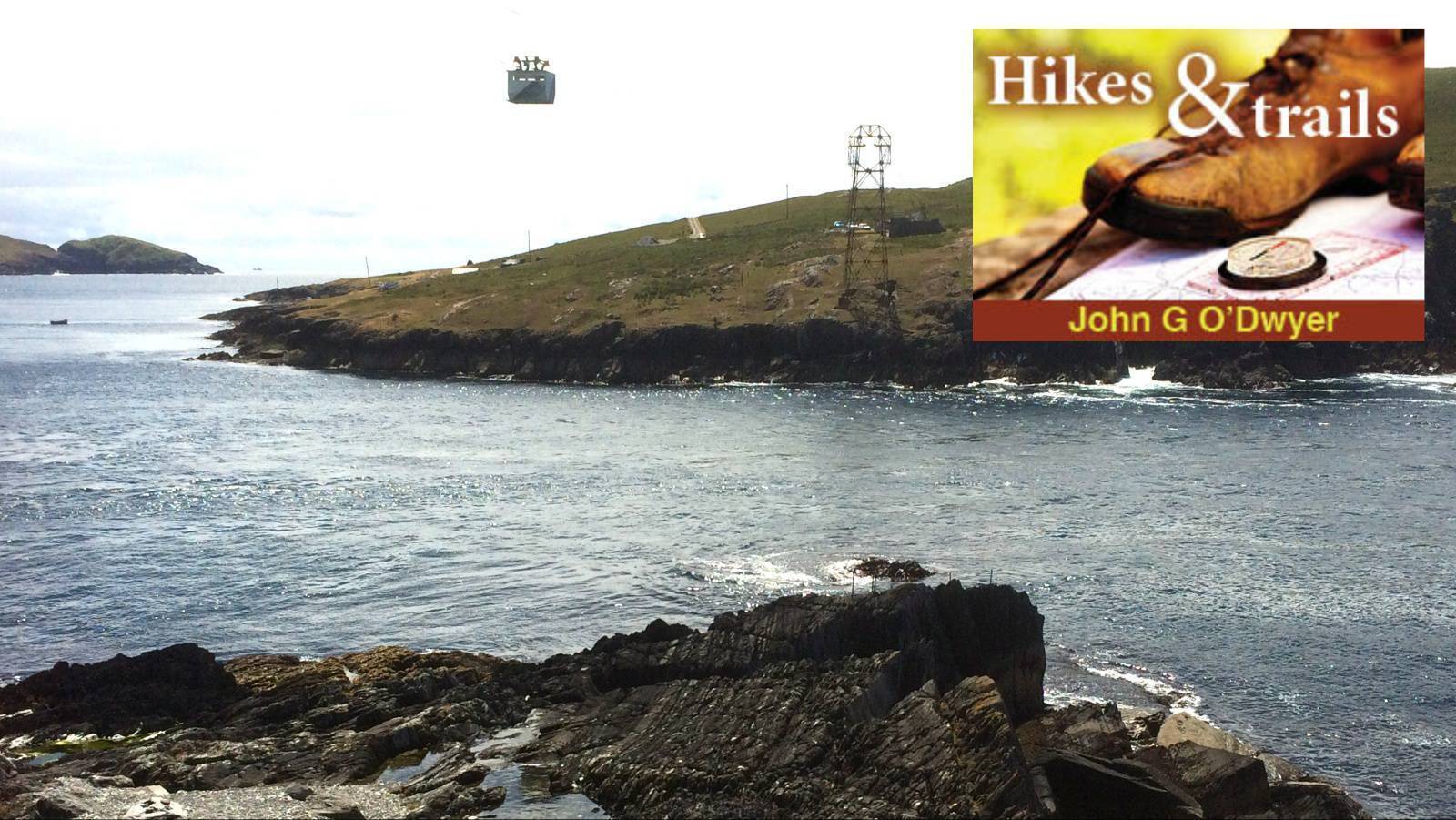
The Beara-Breifne Way is Ireland’s longest hiking trail. Pictures: John G O'Dwyer
When the Anglo-Normans invaded Ireland in the 12th century, their military superiority and use of castles to hold conquered territory ensured rapid advancement. By the late 13th century, they controlled most of Ireland, apart from the Northwest and some small areas of Munster and Connacht.
Soon, however, they had more urgent fish to fry. Initially, a conflict with Scotland and later the Hundred Years’ War with France were both huge drains on resources. This was followed by the bloody civil conflict in England known as the War of the Roses — which lasted more than 30 years. Unsurprisingly, Ireland moved off the agenda during this period.
With England’s attention elsewhere, many of the Anglo-Irish lords went native, adopting Ireland’s language, customs and laws. By the early 16th century, only a small area of Ireland centred on Dublin was directly controlled by the English Crown.
It wasn’t until the reign of Henry VIII that the monarchy felt confident enough to try to reassert its control over Ireland.
Declaring himself King of Ireland in 1542, Henry set about subjugating the Gaelic and Anglo-Irish clans with a policy of 'Surrender and Regrant'. The clans were expected to surrender their lands to the King and then have them regranted by royal charter, while accepting English titles and English law.
In general, the Irish lords accepted this but then continued to operate independently with private armies, as they had always done. It was only after the death of Henry VIII, that Tudor encroachment on the territories of the Irish lords sparked a series of bloody rebellions, particularly the hugely destructive Desmond Rebellions in Munster.
The final crisis for English rule came when Queen Elizabeth I tried to extend her authority over Hugh O’Neill, the powerful Earl of Tyrone. Renouncing his English title, he gathered together a confederation of Irish clans and the hugely destructive Nine Years’ War ensued. It ended with the defeat of the Irish and a Spanish invasion force at the Battle of Kinsale.
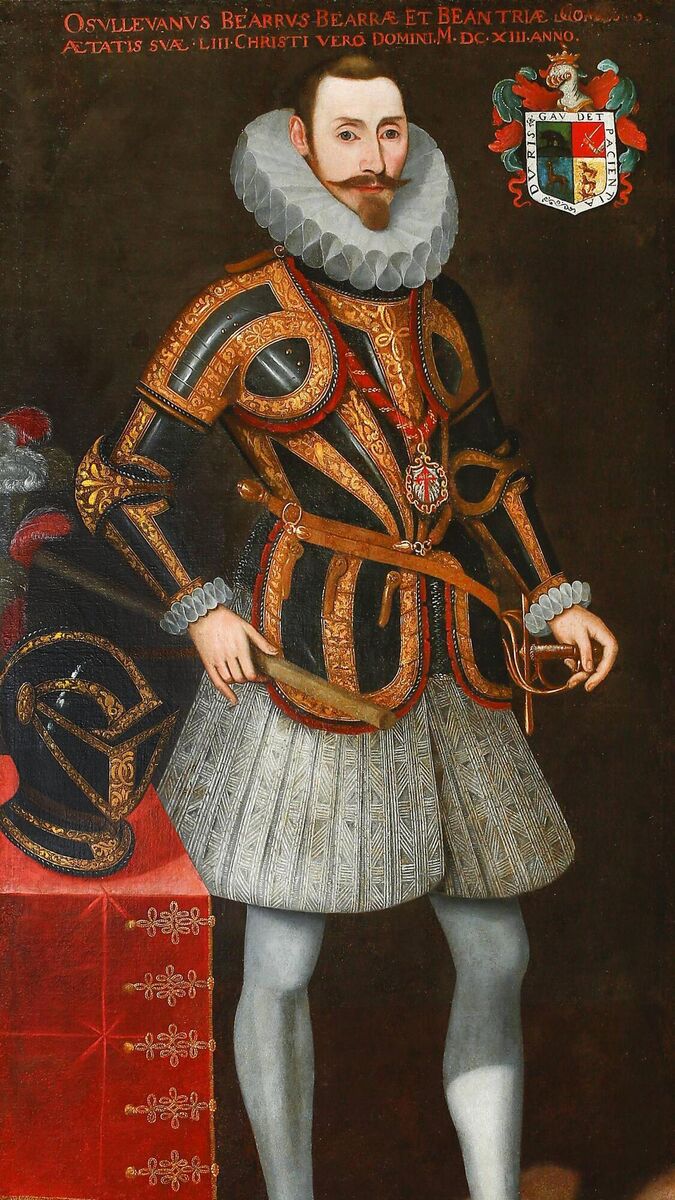
Supporting O’Neill was Donal Cam O’Sullivan Beare, who ruled over the ancient family lands on Munster’s Beara Peninsula.
After the defeat at Kinsale, he felt he would not be pardoned by the English Crown having previously expressed allegiance to King Philip III of Spain, and so had no option but to continue the hopeless fight.
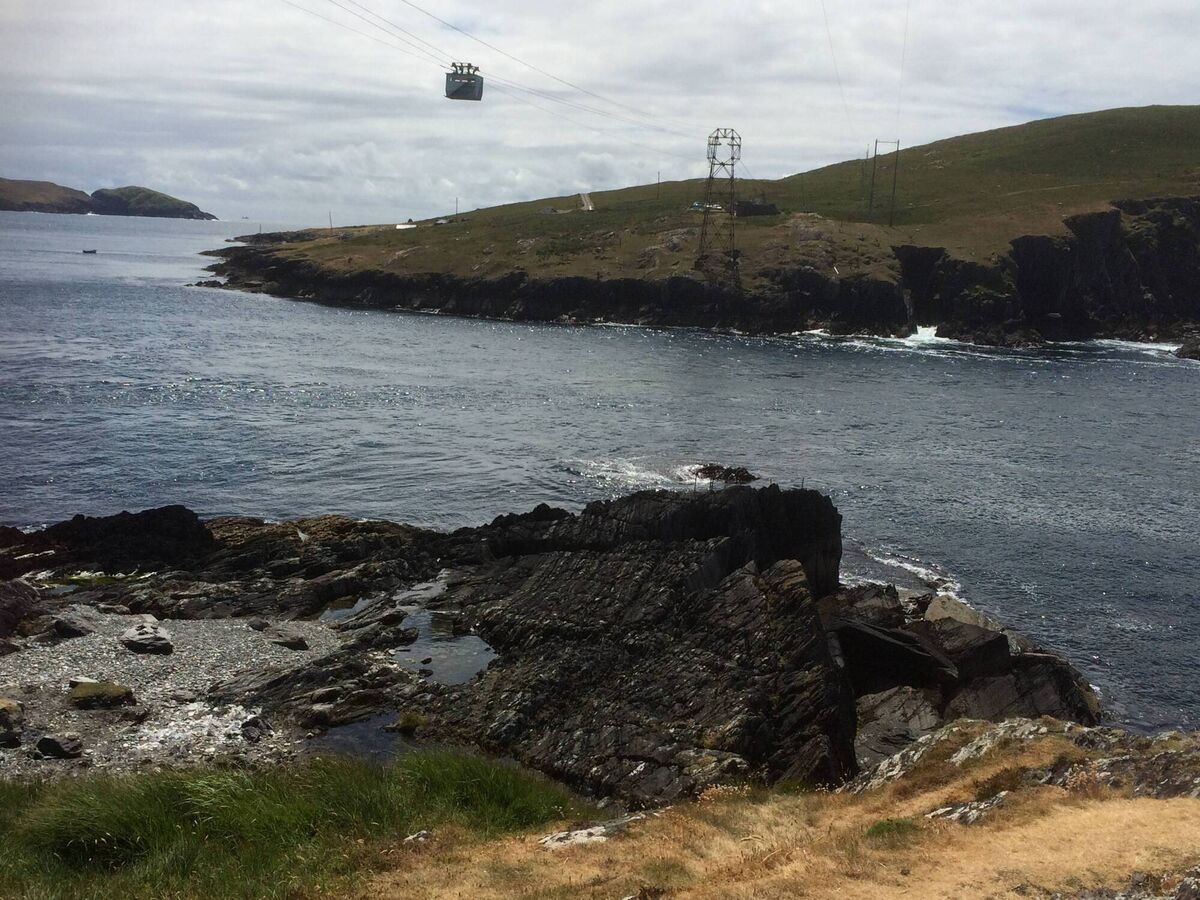
His strongholds at Dunloy Castle and on Dursey Island were soon overcome and O’Sullivan then gathered together his remaining followers, numbering just over a thousand. He set out on a winter march to seek sanctuary with the Ulster chiefs, who still held their lands.
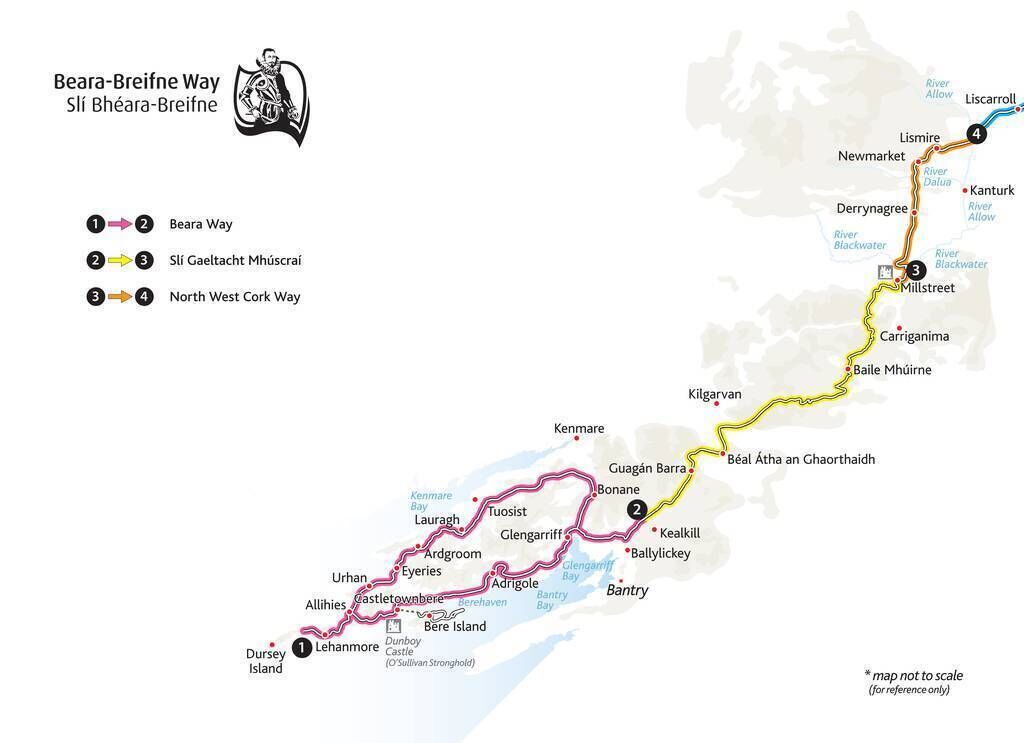
Ireland was now in turmoil and his 500 kilometre march northwards was a difficult one.
O’Sullivan was constantly attacked and was obliged to cross the River Shannon in darkness using improvised boats to avoid his enemies. His soldiers subsequently defeated a larger English force at Aughrim and continued north.
With famine now stalking a land decimated by war, the starving group finally made it to sanctuary at Brian O’Rourke’s Castle in Breifne after a 15-day march with only 35 of his initial 1,000 followers remaining.
Here, O’Sullivan hoped to resume the conflict against the English but, soon after, the Treaty of Mellifont brought an end to the devastating Nine Years’ War. Hoping to drum up support for a further Spanish invasion of Ireland, Donal Cam fled to Catholic Spain. Although feted with great honour by King Philip III and given the rank of imperial general, there would be no further expensive and risky invasions of Ireland.
O’Sullivan was, however, instrumental in founding the Irish College at Santiago de Compostela in 1605. The objective was to help train Irish men for the priesthood at a time when such colleges were not permitted in Ireland. Afterwards, O’Sullivan continued as an influential figure until he was murdered in mysterious circumstances while emerging from a Madrid church in 1618.
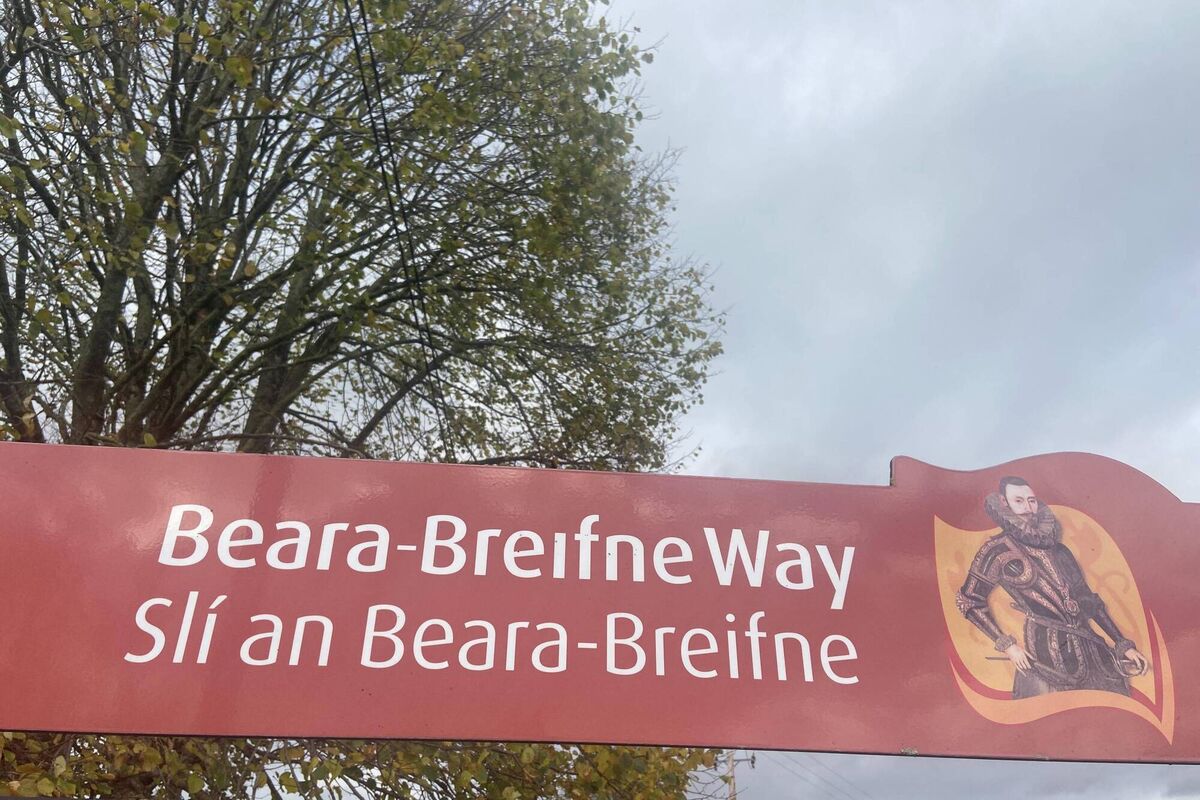
His memory lives on, however, and is kept alive by Ireland’s longest waymarked walking trail.
The Beara-Breifne Way begins at the tip of the Beara Peninsula in County Cork and continues for almost 500 kilometres along the spine of Ireland to Blacklion, County Cavan.
The opening of the trail involved stitching together of 12 existing walking routes. If you hike the entire 500 kilometres, you can fill in a passport along the way with distinctive stamps representing each of the 12 walking routes as a memento of completion.
While the trail has been done as a continuous hike, which takes at least three weeks, most walkers will try to complete it in shorter stages. And if you want to walk precisely in the footsteps of O’Sullivan Beare there is no need to walk beyond Leitrim Village since this is the place he ended his march north.
Further information on walking all or part of the route at bearabreifneway.ie
- The latest edition of John G O'Dwyer's book (Currach Books) is out now.
CONNECT WITH US TODAY



Be the first to know the latest news and updates