Our planet's fever has broken 1.5°C — it's a global climate wakeup call
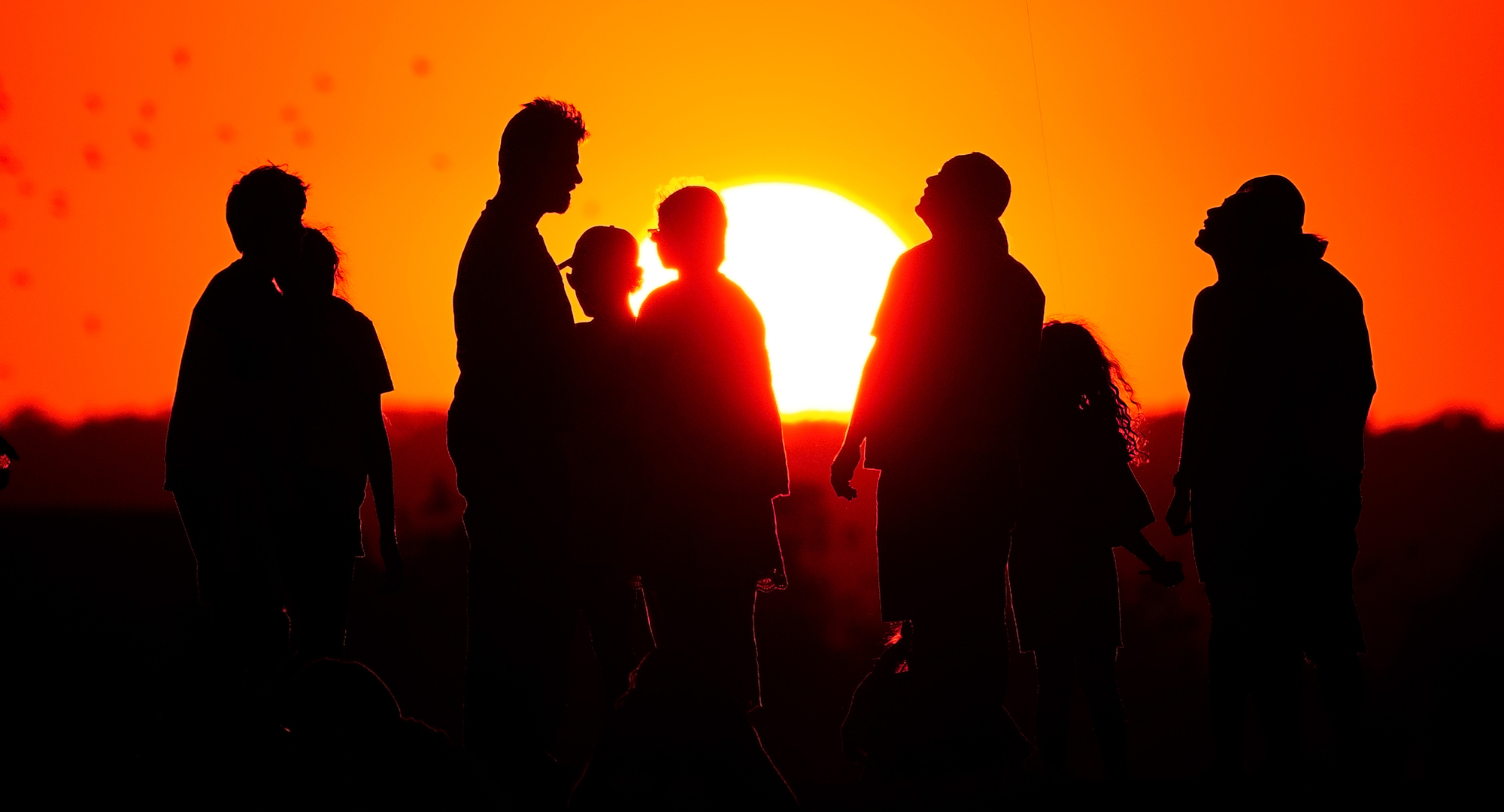
Global temperatures are climbing steadily, and we are edging closer to exceeding 1.5°C. Picture: Victoria Jones/PA Wire
Last year, 2024, has marked a sobering milestone in the story of our planet’s climate crisis. For the first time in recorded history, the Earth’s average annual temperature has exceeded 1.5°C above pre-industrial levels. This figure, often cited as a critical threshold in climate discussions, represents a warning sign for humanity and highlights the urgency of global action.
While 2024 has surpassed the 1.5°C threshold, the long-term trend remains slightly lower. Using a 10-year rolling average, the planet’s temperature increase stands at approximately 1.3°C above pre-industrial levels. This longer-term perspective helps smooth out the effects of short-term variations such as El Niño events, volcanic eruptions, or other temporary climate drivers. However, the trend remains clear — global temperatures are climbing steadily, and we are edging closer to permanently exceeding 1.5°C.
Every degree, or fraction thereof, has tangible consequences, amplifying extreme weather patterns and disrupting ecosystems. It serves as a stark reminder that global warming is not a distant threat but an unfolding crisis impacting millions already.
Global temperature measurements are derived from a combination of surface temperature records, satellite data, and oceanic observations. Organizations such as NASA, the European Centre for Medium-Range Weather Forecasts (ECMWF), and the UK Met Office analyse this data meticulously. Temperature anomalies are calculated by comparing current readings to a baseline, typically the pre-industrial average (1850-1900).
In 2024, an unusually strong El Niño amplified global temperatures, contributing to the record-breaking average. While El Niño events are natural phenomena that cause temporary warming, the underlying trend of human-induced climate change has made such records increasingly frequent and severe. This synergy between natural variability and anthropogenic warming magnifies the urgency of addressing emissions.
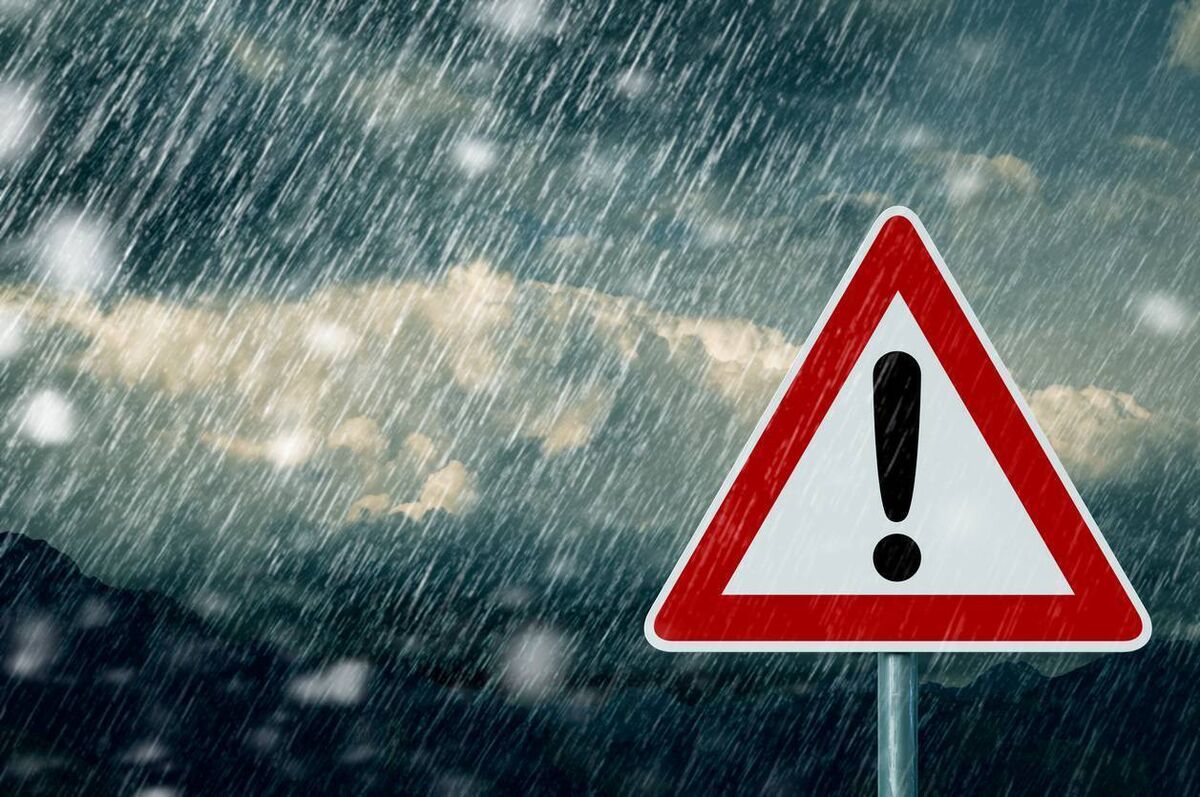
Exceeding 1.5°C, even temporarily, is a stark reminder of the challenges ahead. This threshold is not an arbitrary figure; it was established under the Paris Agreement as a critical limit to avoid the worst impacts of climate change. These include heatwaves and extreme weather events, melting polar ice caps and glaciers, rising sea levels, ecosystem disruption, food and water security.
The temporary breach of the 1.5°C threshold serves as a warning rather than a point of no return. It highlights the need for immediate and decisive action to reduce greenhouse gas emissions and accelerate the transition to sustainable energy systems. Policies, technologies, and community-driven solutions must converge to ensure we remain within safe planetary boundaries. Mitigation strategies, such as investing in renewable energy, enhancing energy efficiency, and protecting carbon sinks like forests and peatlands, are critical. Equally important are adaptation measures such as building resilience in infrastructure, agriculture, and urban planning to withstand the inevitable impacts of climate change.
It is crucial to remember that every fraction of a degree matters. Staying below 1.5°C on a sustained basis could significantly reduce the risks associated with climate impacts. For instance, limiting warming could mean the difference between saving or losing critical ecosystems like the Amazon rainforest or Arctic sea ice.
Addressing climate change is not solely the responsibility of individual nations. International collaboration is essential, as the impacts of greenhouse gas emissions know no borders. Agreements such as the Paris Agreement provide a framework, but the real challenge lies in implementation. Wealthier nations must support developing countries through financial aid, technology transfer, and capacity-building to ensure a just and equitable transition to a low-carbon future.
Society also plays a crucial role. Grassroots movements, advocacy campaigns, and local initiatives can drive change from the ground up. Public pressure on policymakers and businesses is often the catalyst needed to turn commitments into tangible actions. Additionally, education and awareness are key to fostering a global culture of sustainability.
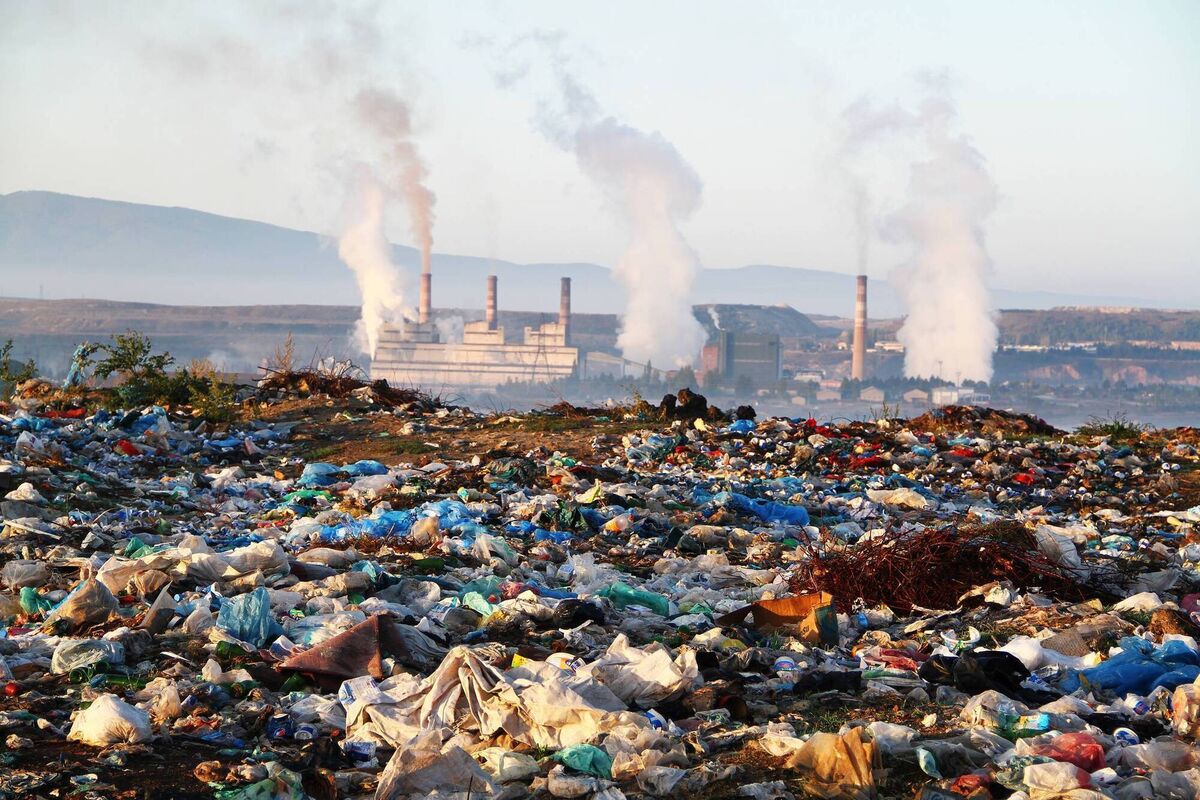
2024 will be remembered as a landmark year in the climate crisis. While the surpassing of 1.5°C serves as a stark warning, it also presents an opportunity to rally global efforts. The science is clear, and the stakes are high. Our collective actions in the coming years will determine whether this milestone becomes a turning point toward climate recovery or a prelude to deeper crises.
The story of 2024 is not just about numbers and data — it’s about choices, consequences, and the shared responsibility of safeguarding our planet for generations to come. By treating this moment as a wake-up call, humanity has the chance to shift course. The solutions exist; the challenge lies in implementing them at scale and speed. The question is not whether we can rise to the occasion but whether we will.
Read More
CLIMATE & SUSTAINABILITY HUB
CONNECT WITH US TODAY



Be the first to know the latest news and updates