Enda Brady: It was the lack of hope which killed Starmer’s premiership
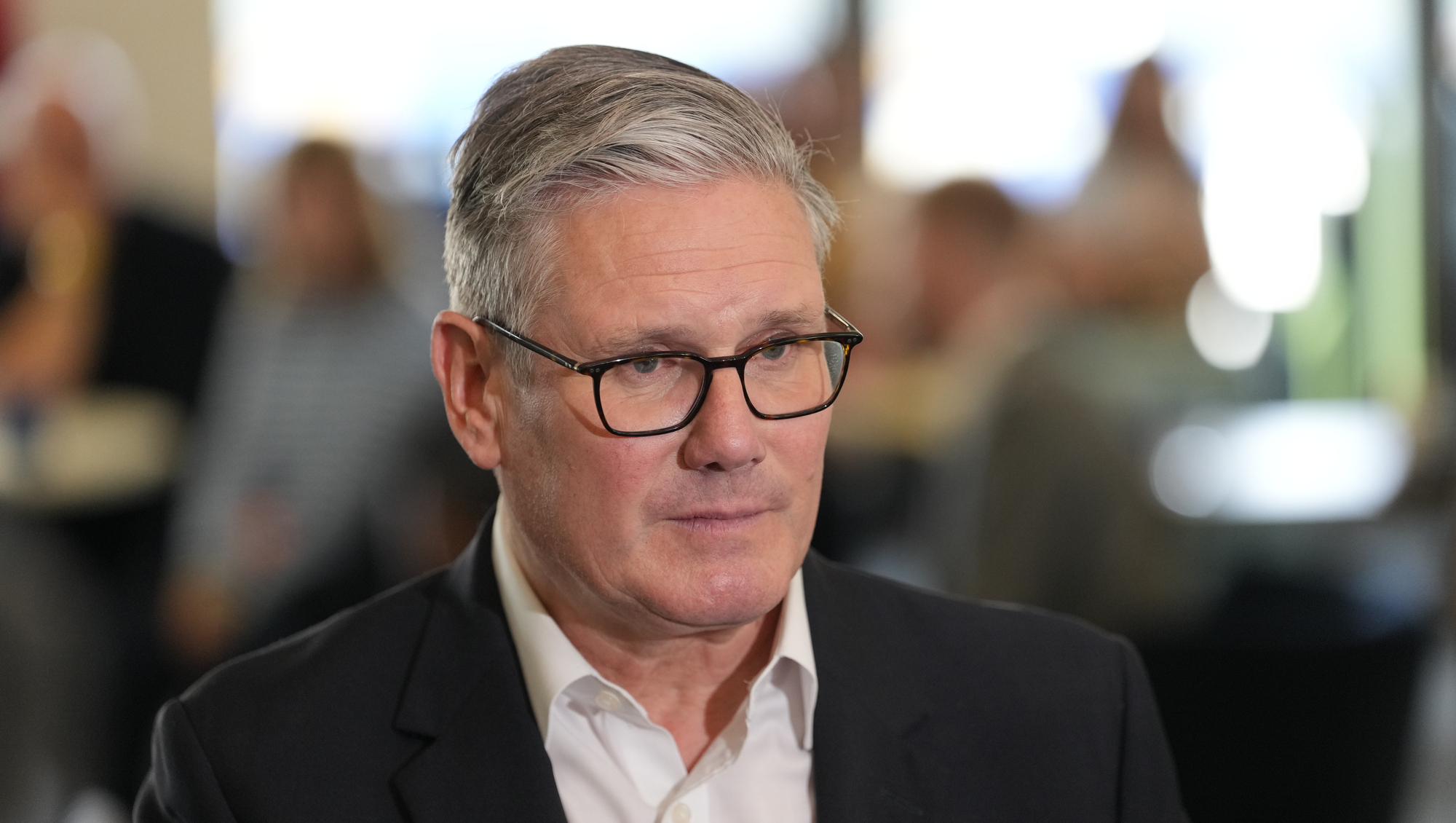
If Labour don't get it right this time, Nigel Farage will be measuring curtains for No 10 Downing Street before they know it 
Enda Brady: It was the lack of hope which killed Starmer’s premiership

British prime minister Keir Starmer started off by telling them that things would get worse before they would get better. That was probably the first bad move of his premiership. File picture
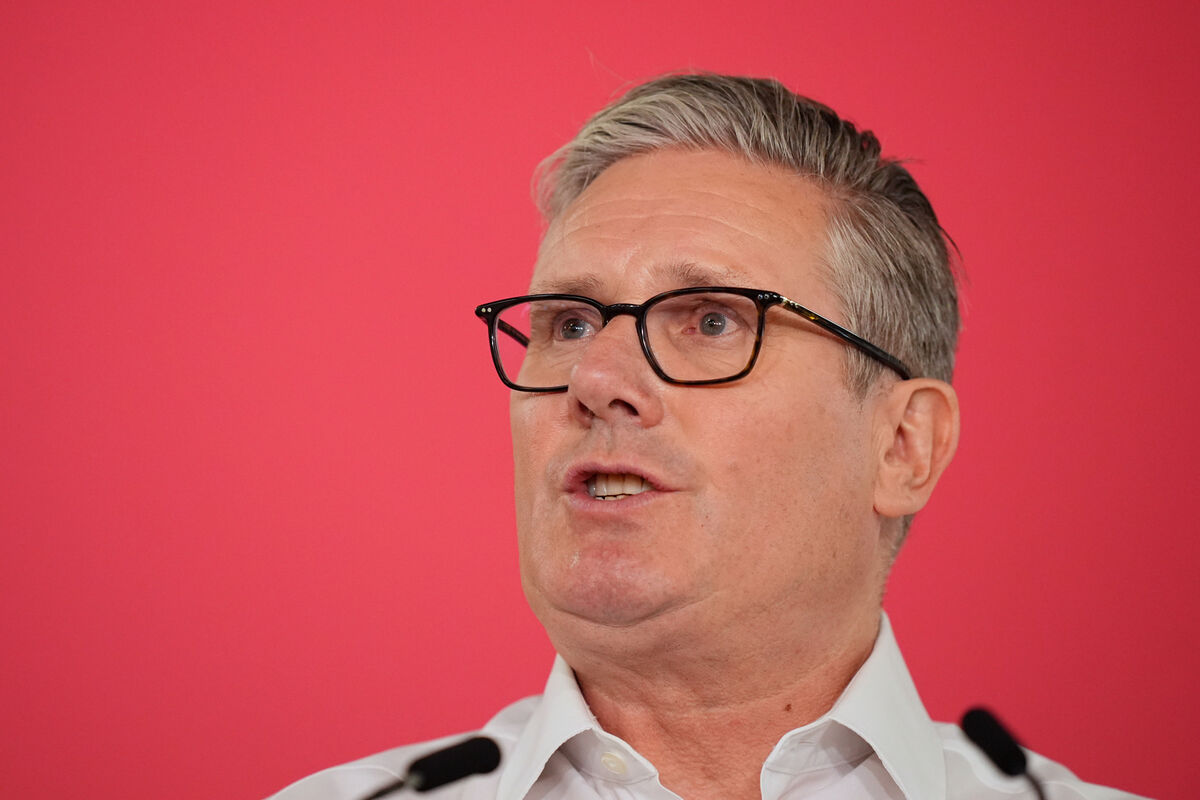
They say it’s the hope that kills you, but in the curious case of Keir Starmer, it was the lack of hope. His time in No 10 Downing Street is now coming to end and for millions across Britain, it can’t come soon enough.

More than anything, the British people wanted something to believe in, someone to offer at least a glimmer of hope that their lives — and the cost of living — would get better.

Starmer started off by telling them that things would get worse before they would get better. That was probably the first bad move of his premiership. The people were craving positivity — and bad news is what they got.

I remember broadcasting from Westminster on that July morning in 2024 after his landslide election victory and the atmosphere around the place was as flat as his current poll ratings. There was no bounce, there was... nothing.

The public was screaming out for someone to reassure them that better times were coming. They wanted a little razzmatazz, they wanted a lift, and what they got was a lawyer.

That’s the key problem at the heart of this Labour government: The prime minister isn’t a politician and never will be.

Many of his problems now can be traced back to a decision to cut back on the winter fuel payments for the most vulnerable. People might have expected such a ruthless cut from the Conservatives, not from the supposed party of the working family.

Those same working families are reaching for Reform and Nigel Farage in their droves because they’ve given up on Labour under Starmer’s stewardship. The promise of “jam tomorrow” simply doesn’t cut it any more. People want results, they want change.

What they’ll get soon now is a change of prime minister. So who comes in?

The smart money inside the Labour Party is on the health secretary Wes Streeting, a hugely ambitious politician who clearly has the support to topple Starmer. But has he got what it takes to win the next general election in 2029? He’s a better communicator than Starmer, but then so is pretty much everyone.

If I was advising Labour, I’d tell them to move mountains to get the mayor of Manchester, Andy Burnham, into Westminster. Here is a politician that people like, north and south, someone who has a track record of getting things done, and a potential leader who will absolutely take votes away from Reform and Farage.

The traditional centre of British politics has collapsed and, as Farage gleefully pointed out this week, there is no longer left and right. People used to laugh at his seven failed attempts to get elected to Westminster — now his polling indicates there’s every chance that he could win in three years’ time.

Starmer’s time will end in a matter of days or weeks. He will be remembered for winning a seismic victory against a thoroughly unpopular Conservative government — and doing virtually nothing with that massive mandate.

After the ineptitude of Boris Johnson, Liz Truss, and Rishi Sunak, the British public had every right to expect competent governance and smart, decisive decision-making. It never came, because Starmer could never make a choice and stick to it.

'On day one, Starmer should have told the people that life will get better. Change will come. I will make your lives better. My government is working for you, not for the billionaires who have fled to Monaco and Dubai and the Caribbean tax havens.' File picture

On day one, Starmer should have told the people that life will get better. Change will come. I will make your lives better. My government is working for you, not for the billionaires who have fled to Monaco and Dubai and the Caribbean tax havens.

That should have been the message. In the end, there was no message from this prime minister because he didn’t have one.

Fixing the potholes in the first fortnight would have been a huge statement to a country that had given up ever driving on decent roads again. If you’ve been unlucky enough to drive anywhere in Britain in the last decade, you know what I mean.

The Peter Mandelson saga also didn’t help his cause, because the media fixated on it and it tied Westminster up in knots. It also cost him some of his best people, Cork’s Morgan McSweeney among them.

Anyone with a brain would have avoided Mandelson and not appointed him as Britain’s ambassador to Donald Trump’s America. He’d already been sacked twice by prime ministers. What made Starmer think that the old Labour leopard had changed his spots, just for him?

It all just backed up this image of Starmer as out of touch, a flip-flopper, someone who wasn’t just up to the job. He is, fundamentally, a decent man with good principles and he desperately wanted to bring about the change Britain is craving and has craved.

But he wasn’t cut out to be a politician, let alone the prime minister.

Labour need to get the succession plan in place and get it right. The public doesn’t want another bout of political psychodrama, they had more than enough of that with the Conservatives.

The next prime minister needs to get his or her message across in the first hour, not just on day one. They need to offer hope, sell it to the people to the point they only get sick of hearing it when they start seeing it at the end of every month. In their pay packets, in their reduce living costs, in lower energy bills. It’s really not that hard.

Working families are at breaking point. They don’t want to hear about the Strait of Hormuz or the war in Ukraine. They’ve had enough of British leaders blaming all their failings on happenings overseas. Starmer will exit the British political stage and soon he will be thought about as infrequently as the likes of Sunak and Truss.

If Labour don’t get this right now and give the British people a real offering of hope, soon enough they’ll be leaving Downing Street collectively — and watching Farage measure up the curtains in 2029. That’s how big the next few weeks are for Britain.

  • Enda Brady is a journalist and broadcaster based in London.

More in this section