Malcolm Noonan: We must reconnect with nature to restore it for future generations
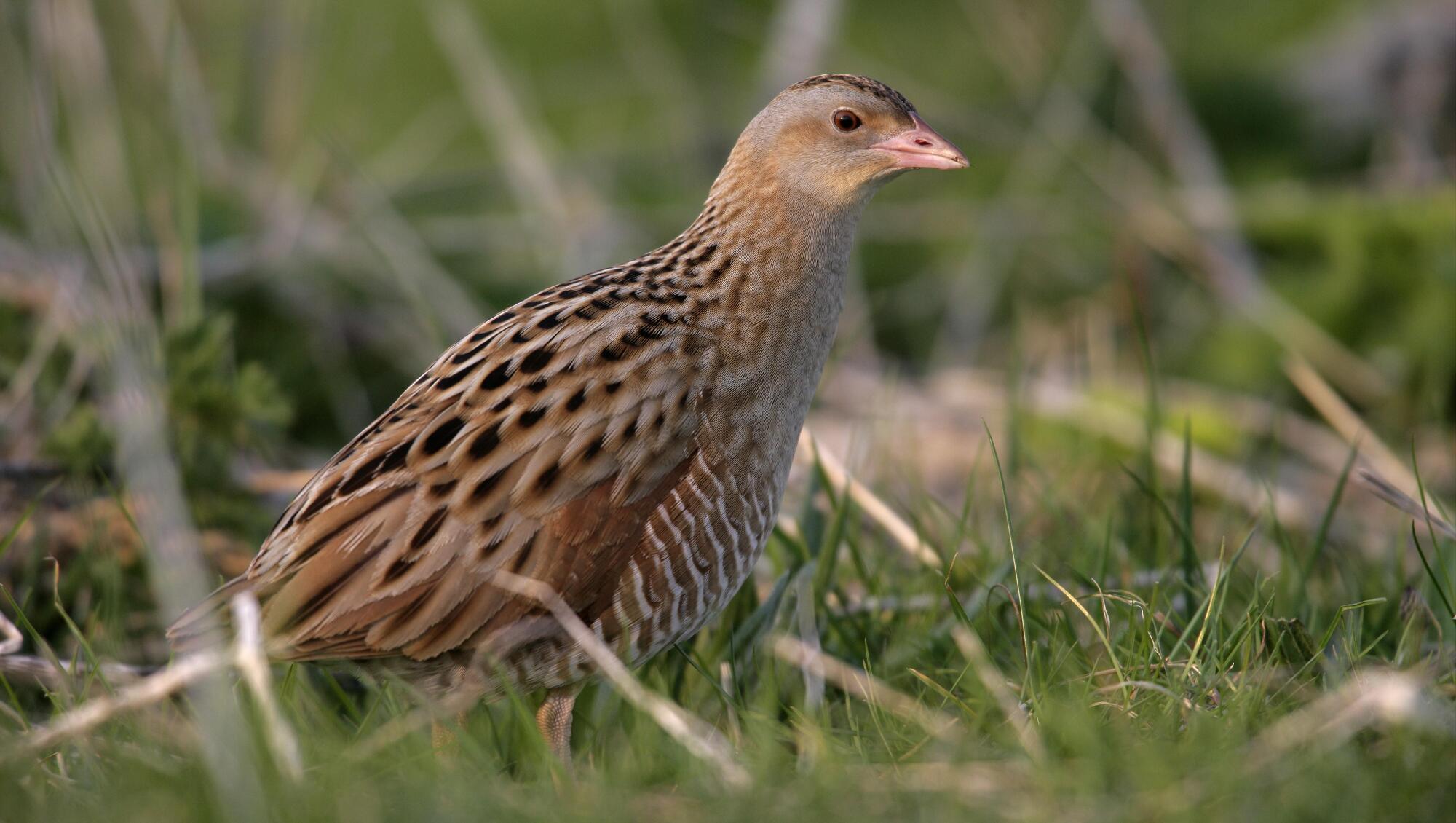
Simple measures within the Corncrake LIFE Project, such as changing mowing regimes, predator control and planting nettles over a short number of years, saw numbers of breeding pairs of corncrakes increase in the north west down into Mayo.
I will never forget hearing the unmistakable ‘crex crex’ of a male corncrake in the wild for the first time. It was 2024 and we were up on the Mullet Peninsula with the Corncrake LIFE Project.
Simple measures such as changing mowing regimes, predator control and planting nettles over a short number of years, saw numbers of breeding pairs increase in the north west down into Mayo.
Nature responds positively when we do the right things. Through my travels across Ireland, I saw the impact of putting resources in place to bring about a change in how we view nature and how we support those who work at the coalface of this biodiversity crisis.
In government, we began putting in place the human and financial resources needed to turn around decades of underinvestment and political indifference towards nature.
We all know that people care about nature. Many are worried about the loss of iconic species, the loss of spaces for nature in their neighbourhood, pollution of a local river or a poisoned eagle.
But we rarely make the connection between the loss of nature and our behaviour as consumers; how and what we drive, what we eat, the clothes we wear or where we invest our savings. All of these have the potential to drive biodiversity loss and pollution of our waterways.
So as we embark on a national Nature Restoration Plan, how do we reconnect people, not just with nature but with our role in all of this wondrous place we call our common home? How does an older generation who still hold in memory a time when nature was noisy and abundant connect with younger people growing up in an era of nature depletion?
Many of us are physically disconnected from it; children living in urban areas have no access to nature in play or where they live, farming in some parts of the country is nothing more than large scale gardening; manicuring hedgerows and mowing grass to feed animals in lots. We are paving over our lawns.
So, there’s all the statutory targets; rewetting, woodland, marine, free-flowing rivers and then there’s the really tricky bit; hearts and minds.
Whatever nature restoration plan emerges over the next year or so, will have to contain actions to reconnect, to ensure that everyone has access to nature no matter where they live and to tap in to that reconnection by encouraging an army of activists, of advocates and of scientists, of people who will want to get out into nature and get their hands mucky planting trees or pulling Himalayan Balsam, or counting bats by a river.
This will require more biodiversity officers, coastal and marine biodiversity officers, more boots on the ground and in communities through NPWS, LAWPRO, OPW and local authorities. To see what success might look like, we only have to look at the impact of the All-Ireland Pollinator Plan, a very modestly funded plan that is now visible in every community in Ireland.
Supporting the work of river catchment trusts, of woodland regeneration projects, of tidy towns groups, of volunteers working to protect sand dunes, of wildlife rehabilitation charities and of peatland communities is equally relatively low cost and high impact.
Farming these days is a precarious enterprise; weather, market prices, input costs. A dedicated long-term rolling fund separate to CAP; specifically for nature, climate and water measures will give confidence and additional income to young farmers for providing ecosystem services and developing farming for nature champions.
And yes, I agree with ICMSA and have said it all along; any restoration measures on private land must be voluntary (that means attractive schemes with less paperwork).
So, imagine if all of this national nature restoration collaborative effort were to come together, where we all feel that we are part of something bigger and in say, 25 years' time (the lifetime of our Nature Restoration Plan), our skies are noisier, there is much more insect life and we no longer marvel at the sight of a Hen Harrier in the Slieve Blooms.
The children and young people who participated in the Children and Young People’s Assembly on Biodiversity Loss in 2024, will be somewhere between 35 and 45 years of age by that time.
The Children and Young People’s Assembly challenged us all to "treat the earth like a member of our family or a friend". It is profound in its simplicity but framing it this way may just guide us on our restoration journey.
The Independent Advisory Committee (IAC) set of recommendations dedicates a full section towards engagement and empowerment, arguably as tricky as the complexities of restoring key habitats.
But if we get it right, the rewards to us all and to our collective wellbeing, our sense of place and patriotism towards our island and our seas and in particular to our young people will be rich and long lasting.
- Malcolm Noonan is a Green Party Senator and former Minister for Nature, Heritage and Electoral Reform
CLIMATE & SUSTAINABILITY HUB
CONNECT WITH US TODAY



Be the first to know the latest news and updates