Mick Clifford: Defence Forces abuse allegations demand more than another tribunal
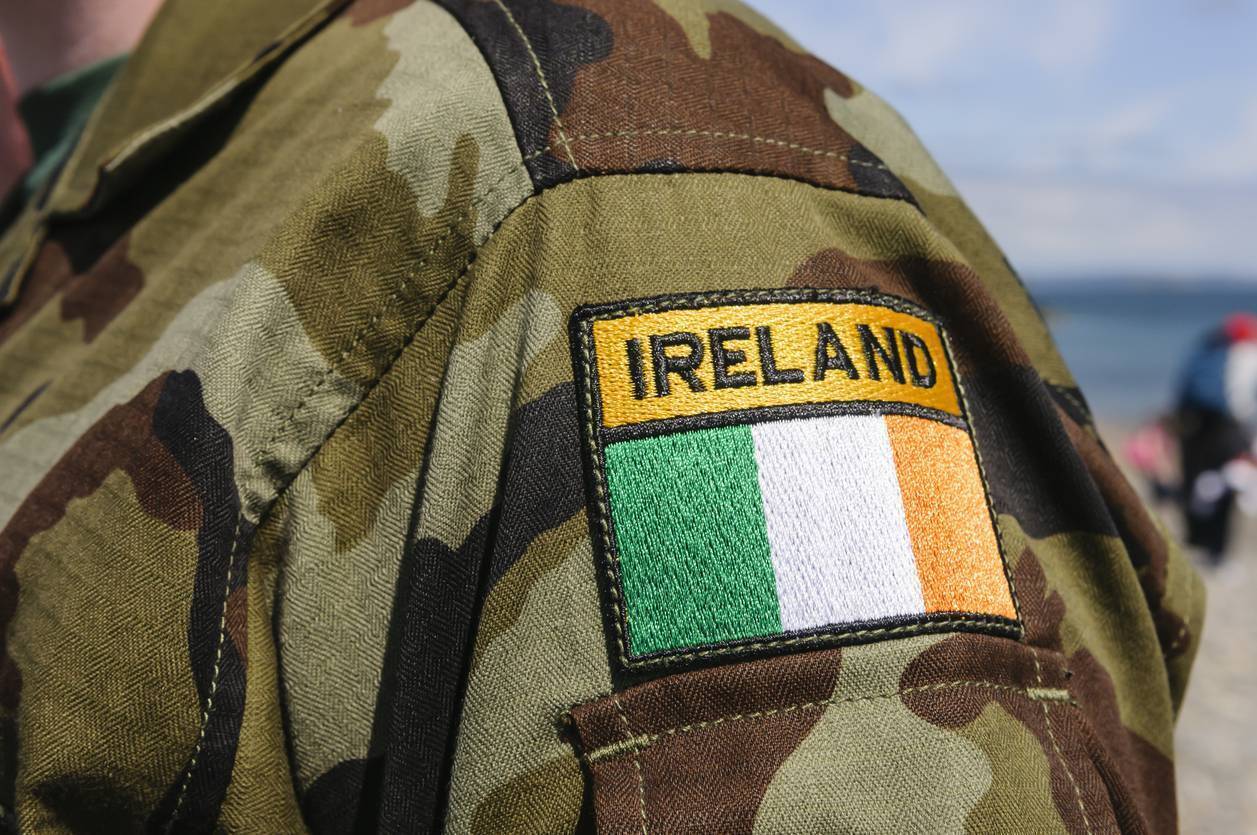
This article includes direct links to some of Neil Michael's original reports from this month's tribunal, and you will find the rest of his reports collected in the — Read more about Defence Forces — link below. Picture: iStock

Nobody called the cops. There had to be knowledge that a crime may have been committed — and not just one, but multiple crimes. Yet nobody thought to pick up the phone and inform the law enforcement agency that something serious required investigation.
Read More
In another time, dealing with other categories of victims, this stuff would be top of the daily news agenda. Yet, for some reason, there is no outcry, no appalled reaction, no reaching out to victims.
One senior officer, who was the subject of multiple allegations and can only be identified as 2LT.B, gave evidence last week.
“The most serious allegation concerns recruit Oliver Mullaney, who died by suicide on June 22, 1991. The tribunal has heard claims that 2LT.B subjected the teenager to such humiliation during a training exercise two days earlier that it contributed to his death,” Neil wrote in the .
These were the most serious of 52 instances of mistreatment alleged to have been perpetrated by 2LT.B on apprentices in the Defence Forces over a two-year period to July 1991.
Then there was Ms Y, who was gang-raped soon after joining the army at the age of 19.
Neil Michael wrote: “She said that after the group of three men stopped raping her in her bed in quarters at a barracks she was staying in, one of them warned: ‘If you ever say anything, you will be kicked out of the army’.
An entirely separate case reported by the Irish Examiner earlier this year highlights another aspect of the force lifted from the past.
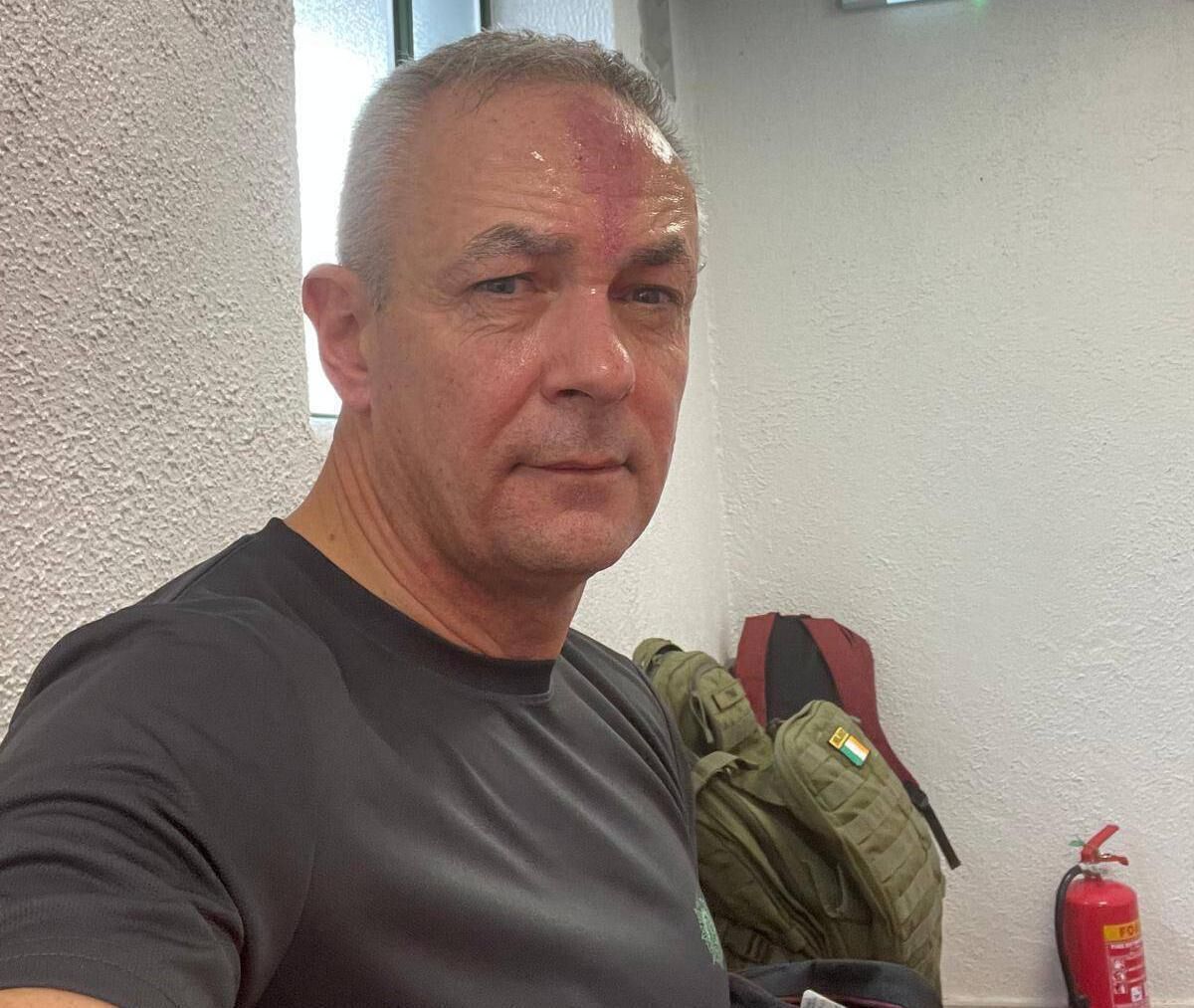
Commandant Alan Kearney was subjected to having 12 criminal charges held over him for two years before they were dropped at the last minute.
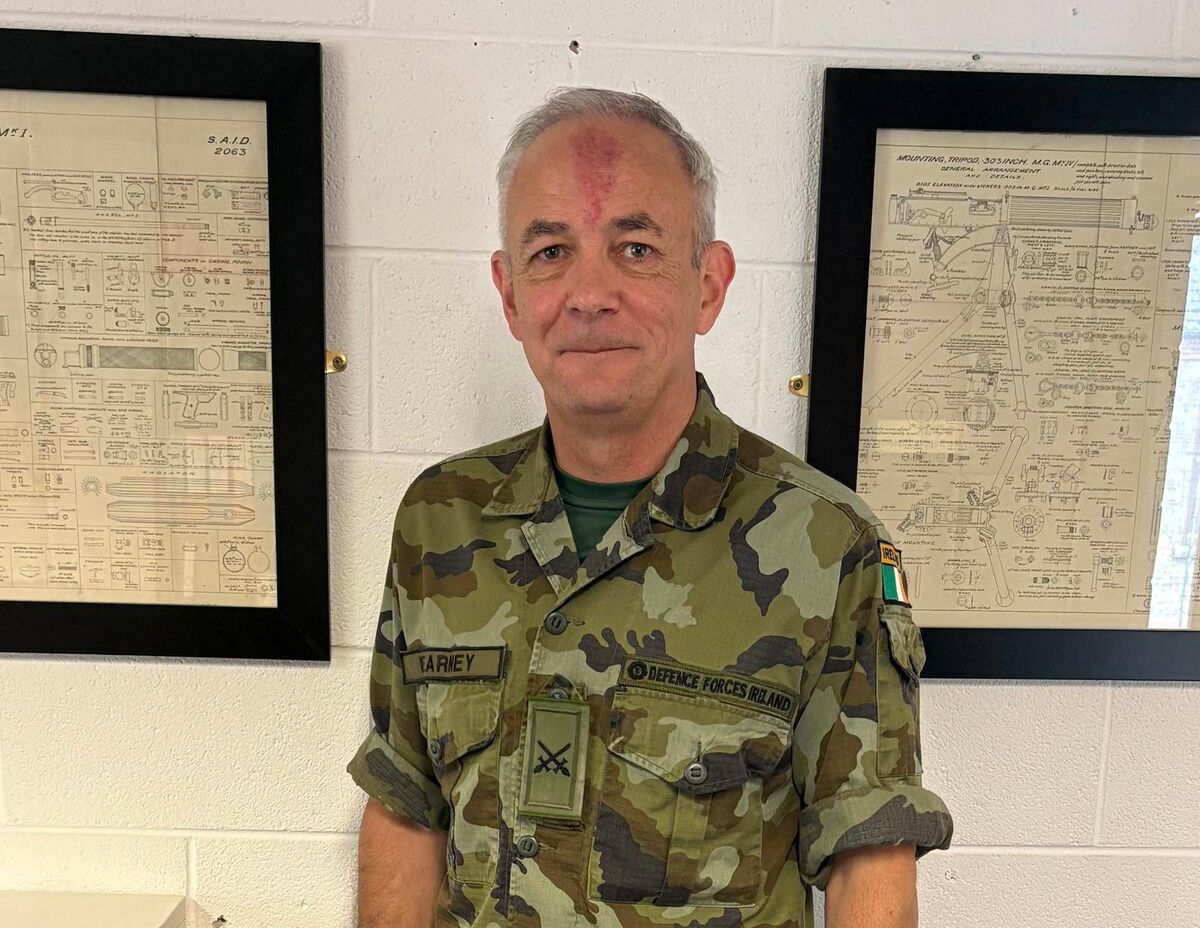
The investigation into Mr Kearney was at times farcical, even though it had a devastating impact on him and his family. He had a meteoric rise through the ranks as a non-commissioned officer, and was earmarked for a prestigious job as captain of the guard in the Houses of the Oireachtas.
Read More
“Yet no independent body was permitted to examine them. That would be unthinkable in civilian policing. And it is happening at the very moment the Defence Forces are assuring the public they have changed.
CONNECT WITH US TODAY



Be the first to know the latest news and updates