Jennifer Horgan: Kyle Chandler reels? Fine. But such scrolling could destroy my interior life

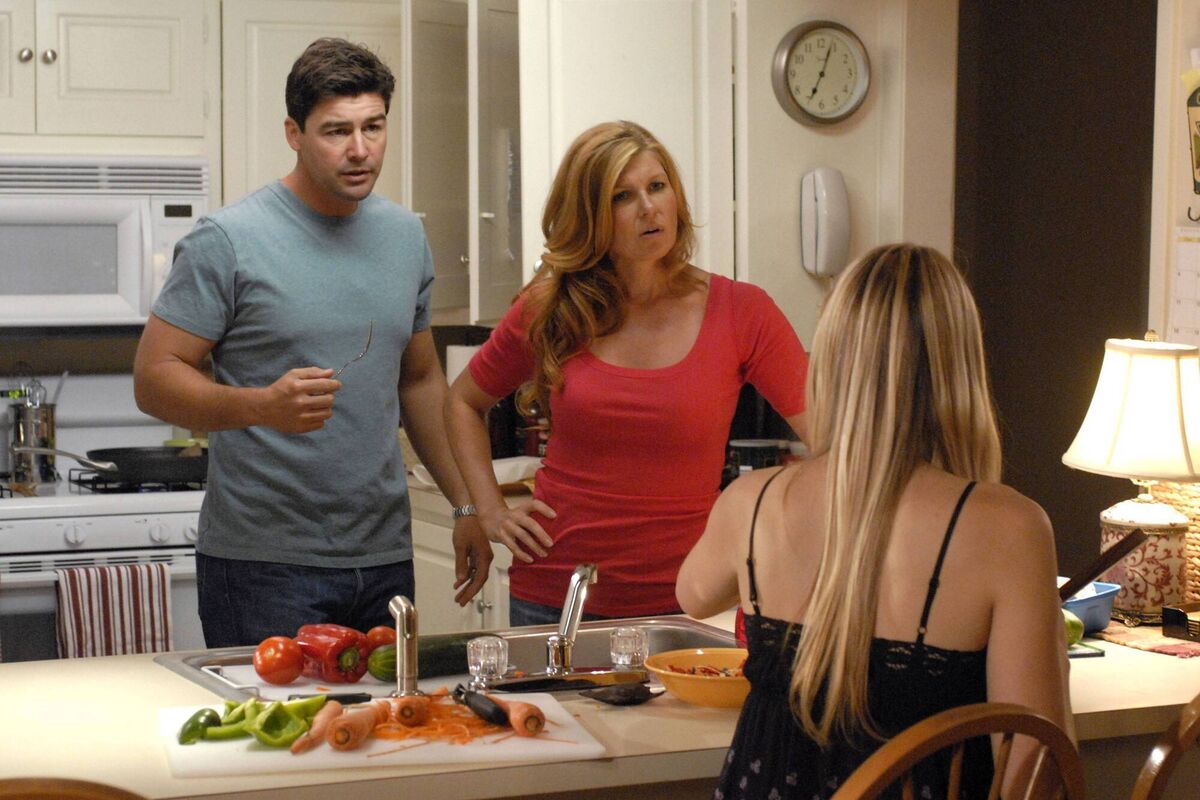
An Insta reel about Kyle Chandler and a ‘Friday Night Lights’ anniversary dragged Jennifer down a pleasurable wormhole of many many links, one after another — until she paused to wonder about her interior life. Picture: Bill Records/NBC Universal/Getty

Approximately four minutes later, I had navigated back to , checking out actor Jesse Plemons playing in a band. He’s married to Kirsten Dunst.
Then I remembered my favourite character in the show, Tim Riggins, the unbearably handsome football player who did the dirty on his best friend by having an affair with his girlfriend. I never knew the two dated in real life. She wrote a book about it in 2023. It was a car crash by her account, not unlike their onscreen affair.
And that’s how I spent my first 20 minutes of consciousness this morning. My most private space, filled with little breadcrumbs, all leading me into a dark wood of mind-numbing distraction.
The only reason I eventually managed to extract myself was something I read yesterday in the latest edition of .
The piece was about a pastor in Portland, Oregon, called John Mark Comer. In a lengthy feature, he made the comment that the modern world is “a virtual conspiracy against the interior life”.
This is exactly what happened to me this morning.
I became a brain in a vat, controlled by technology, while continuing to believe I was free. My interior life was held captive.
I think I understand what the pastor means by interiority.
I understand it as being distinct from my private life. My private life, separate from my public one, relates to home, to the close relationships that define me: My spouse, my friends, my children. My interior life is just me. It can be reported on but never shared as an experience.
Years ago, if I had thought about Kyle Chandler, I would have concentrated on my own experience of the man and his show.
What were we doing when we watched it? We were in Abu Dhabi. Our three children were impossibly small.
I remember we related to the close-knit Texan community depicted in because we were also living in a desert, in a sporty ‘ex-pat’ bubble. The show always reminded us of my husband’s godson, James, an amazing American footballer, coach, and trainer.
None of that happened this morning because my interiority got farmed out to my phone.
Most depressingly, I keep doing it. On a daily basis, I keep failing to value my own interior life. I’m not alone. It’s become so bad that we’ve even forgotten to value the interior lives of children.
Children used to have one defence against this “virtual conspiracy” — school. Their interior lives outside school had been hoovered up by excessive afterschool activities and devices during downtime.

Up until recently, they could at least go to school and sit in rooms with books and papers and pens, items that draw us back into, remind us of, our interior lives.
They could talk to their friends in class, in the yard and on corridors, planting the seeds for an enriching private life too — those lasting relationships.
We've left technology into that beautiful, timeless world of interiority
The barricades have since come down. We’ve decided that every child needs a device in their bag and on their desks.
Some children need technology, no question. But the majority of students need pages and books and conversation. I did a quiet writing lesson with one of my classes recently and was overcome by its interiority.
There is something beautiful about a roomful of students working with paper and pens.
They lean forward towards the page. There is the odd lift of the head for thought, inspiration.
I get the same feeling invigilating in an exam hall. There is always some kind of construction going on outside an open window. Always sunshine. Always a hand twirling through hair. Always a knee bouncing. Always an eye straying. Always a hand making great fuss of opening a bottle of water. Always one neck cranked right down to a shoulder.
How easily we’ve let technology into that beautiful, timeless world of interiority.
It's not just young people who are suffering from this invasion of the interior.
We see ample evidence among adults — most obviously in their hyper exteriority. Because we value it far more than the interior lives we fritter away online.
People were aghast to see Madonna perform at a Pride concert in Times Square recently.
She looks terrifying now. Her face is no longer human, bearing no resemblance to a person of her age.

Online reels show her dressed like Sabrina Carpenter in scanty, candyfloss-coloured hosiery. Only her hips don’t move like Sabrina Carpenter’s, and her underarms don’t hang like Sabrina Carpenter’s. Her thrusting looks pained, forced, restricted. It’s as if she’s a puppet on a string, pulled this way and that.
Comments on Instagram were brutal. “She needs to stop already! Bow out gracefully Madonna PLEASE.”
I say, never underestimate Madonna. I wonder if she’s doing this to show us what we demand of ageing women who wish to stay relevant. Perhaps she is showing us what a life of pure exteriority looks like.
Her art is like the cautionary tale of Narcissus, who dies of thirst and starvation from gazing at his reflection for too long.
It’s difficult to watch Madonna in Times Square and not see other, younger female performers differently. Yes, they have lithe bodies, but they are also ridiculous. Self-objectification, the worshipping of the exterior lens, is not empowerment; it is erasure.
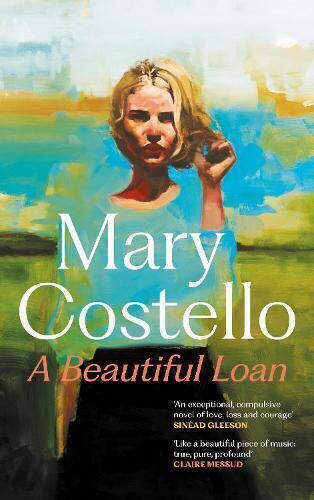
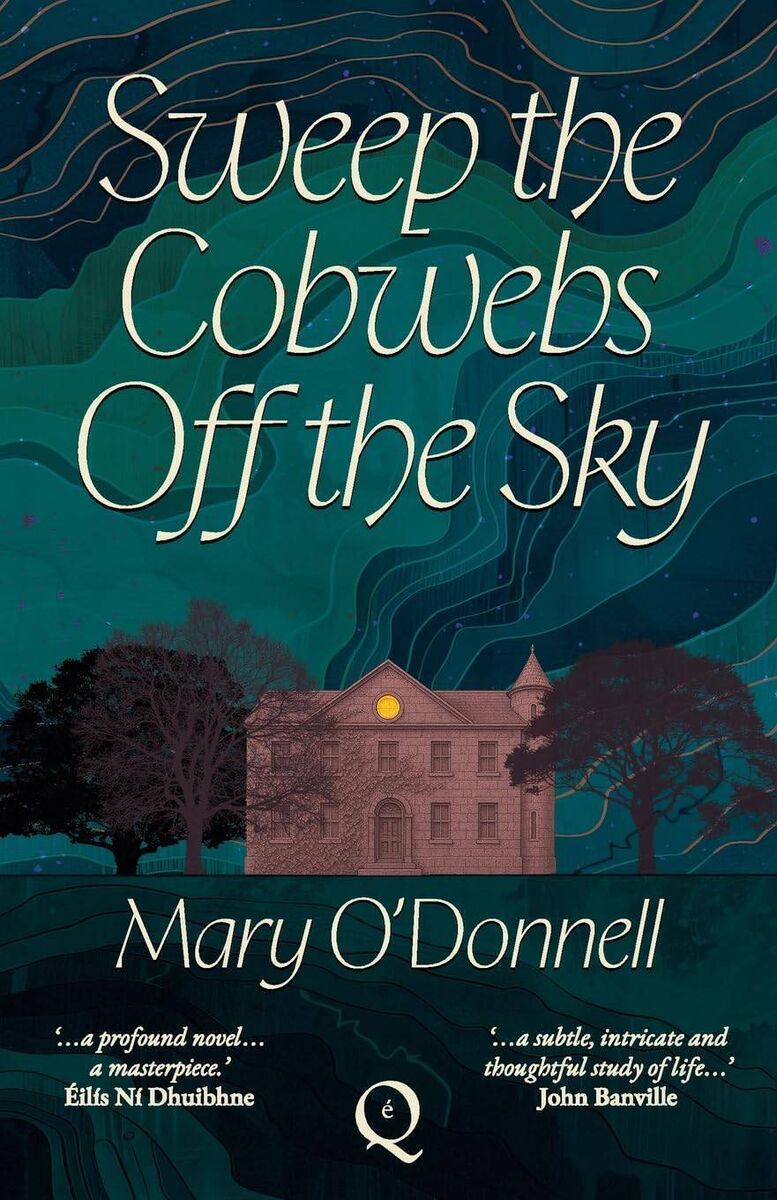
There is comfort in writing this column and in reading. Reading offers a direct line to the interior. Two recent Irish novels do this superbly: A beautiful loan by Mary Costello and Sweep the Cobwebs off the Sky by Mary O’Donnell.
Both stay close to their protagonists. We accompany them as they struggle, wonder, and desire. We witness their human efforts to care for others and to tackle and negotiate life’s challenges.
Their private lives exist on a different level from their interior lives.
Their private lives, their relationships, shift and change, but their interior lives are constant. I read both books months ago but still miss their company.
I still picture Mary O’Donnell’s protagonist moving around the kitchen of her childhood home, caring for her mother. I still picture Mary Costello’s protagonist looking out the window at the beloved pet her partner won’t let into the house.
Is it someone’s interior life that we fall in love with? I think so.
Every day for me is a battle between the interior and the exterior life. My hand too often reaches for my phone. I pretend I’m waiting on an email, but 20 minutes go by before I realise I’m scrolling on Instagram again.
But what became of Connie Britton from anyway? I loved her in Rooster recently. What did she do in between?
And I’m gone... Dragged back into that knotted forest of nonsense. Until I remember to drag myself out again.
BOOKS & MORE
Check out our Books Hub where you will find the latest news, reviews, features, opinions and analysis on all things books from the Irish Examiner's team of specialist writers, columnists and contributors.
CONNECT WITH US TODAY



Be the first to know the latest news and updates