Mick Clifford: Pot-luck access to education must end
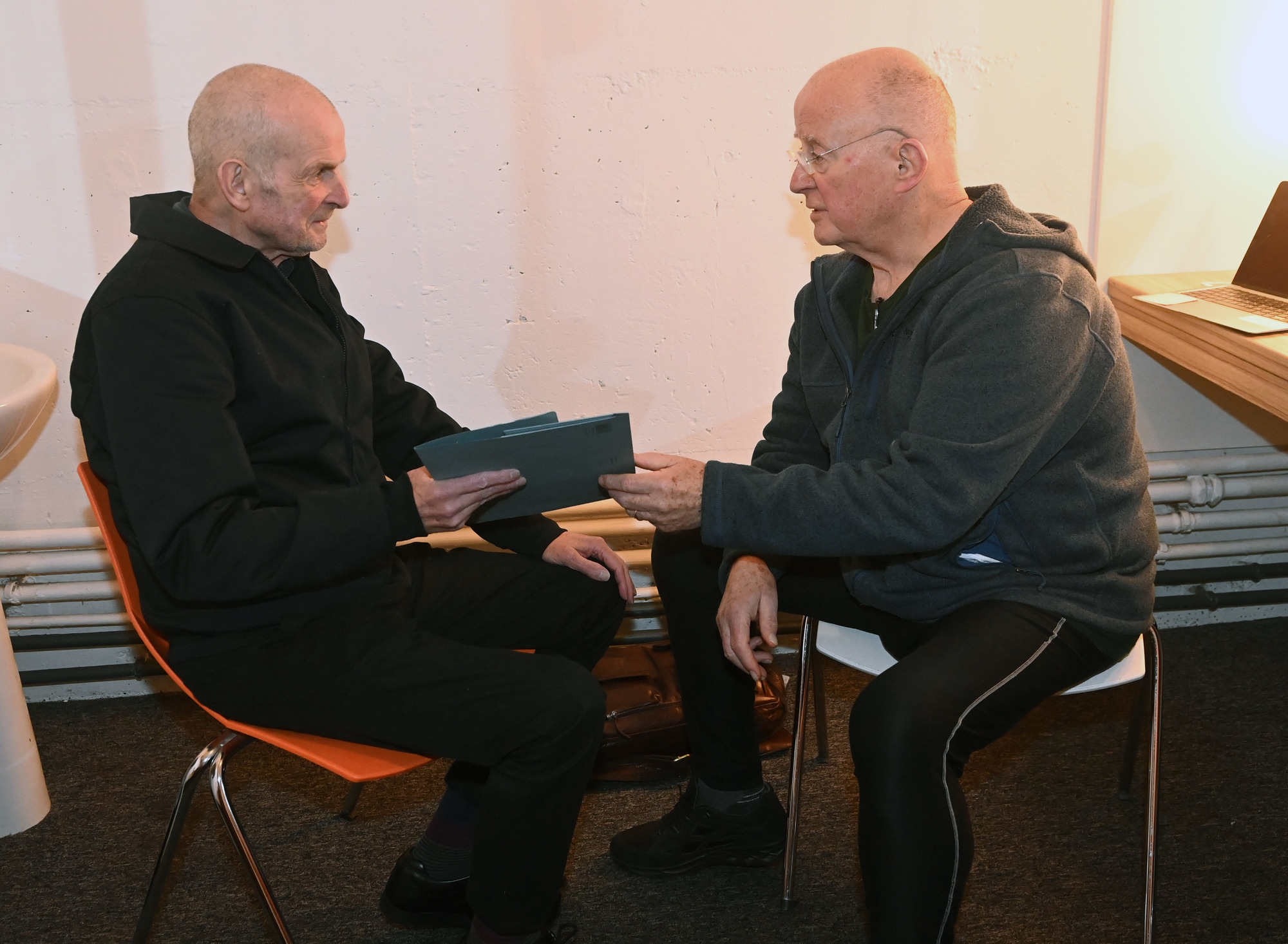
Christy Moore chatting with Don O'Leary of the Cork Life Centre at the concert in the Cork Opera House. Picture: Eddie O'Hare

Fate has not been kind to O’Leary of late as he is struggling with a terminal illness, but Christy had wanted to do something to raise funds for the Cork Life Centre, which Don O’Leary runs.
A major question hangs over why exactly it was necessary to have a fundraiser for an institution that serves the best traditions of education, but we’ll come to that in a minute.
The evening was, by all accounts, quite special. What follows is a secondhand account because your columnist could not get a ticket for love or money.
The gig was sold out within 10 minutes and unlike, say, in the week before an All-Ireland final, the ticket crush did not begin to loosen out in the hours or days before the gig.
Nobody traded their luck or found themselves unable to attend.
Christy was his customary self, living the songs, coating his performance with humour. He gave it socks, including a new song that is dedicated to Cork, some of its people, and its places. There were also contributions for students who have been through the Cork Life Centre, conveying what it had meant to them and how it had changed their lives.
For those who are unaware, the centre caters principally to teenagers who, for one reason or another, don’t fit into the conventional education system.
They are educated in an environment where emphasis is placed on their needs and ensuring that they can reach their potential. The primary need in that respect is to be happy, within themselves and in their environment.
For kids who may have experienced trauma of one sort or another, that place of peace is both a harbour and launching pad.
It is no surprise that the Cork Life Centre, which currently caters for 55 students, has a waiting list that grows by the year and a record of turning out teenagers who go on to fulfil their potential at third level or in productive work.
The night at the Opera House raised in excess of €23,000, funds that are much needed and, according to O’Leary, much appreciated. But why?
Why does such a centre, which takes kids on a journey less travelled, across the longest stretch from potential to fulfilment, have to raise money to survive?
“I lost eight staff in the summer and the possibility of losing more,” Don O’Leary said.
“You’re not just looking for the ability to teach eight subjects. The shortest any of those had worked here was six years.
Unlike in the conventional system, teachers in the Cork Life Centre are not paid by the State, they are not provided with a career path or security on which they can build their lives.
“When you have no security, no increments, when you’re not on a proper teacher’s salary there comes a time when you have to say that you and your family come first,” O’Leary says.
“Many of them, on the hours they’re on, they just couldn’t get a mortgage. It’s great that they love their work but that doesn’t put food on the table.”
Contrast that with the official approach to funding teachers for fee-paying schools. Last year, €111m of public funds was awarded to the fee-paying sector to pay teachers.
This extra money goes into a pot that ensures pupils in these schools are provided with huge advantages above and beyond what they already enjoy through the lottery of birth.
In this manner, the State actually intervenes to widen the gaps of inequality.
Meanwhile, the Cork Life Centre relies on a pat on the head every now and again.
Last year, the centre received an extra €100,000 following the intervention of Taoiseach Micheál Martin.
So, we have the leader of the country doling out a ‘few bob’ to a local project but somehow the Cork Life Centre cannot be afforded the official status that it deserves as a vital instrument in bringing education to all. It’s as if these things are beyond the control of those elected to serve, which is nothing short of a cop-out.
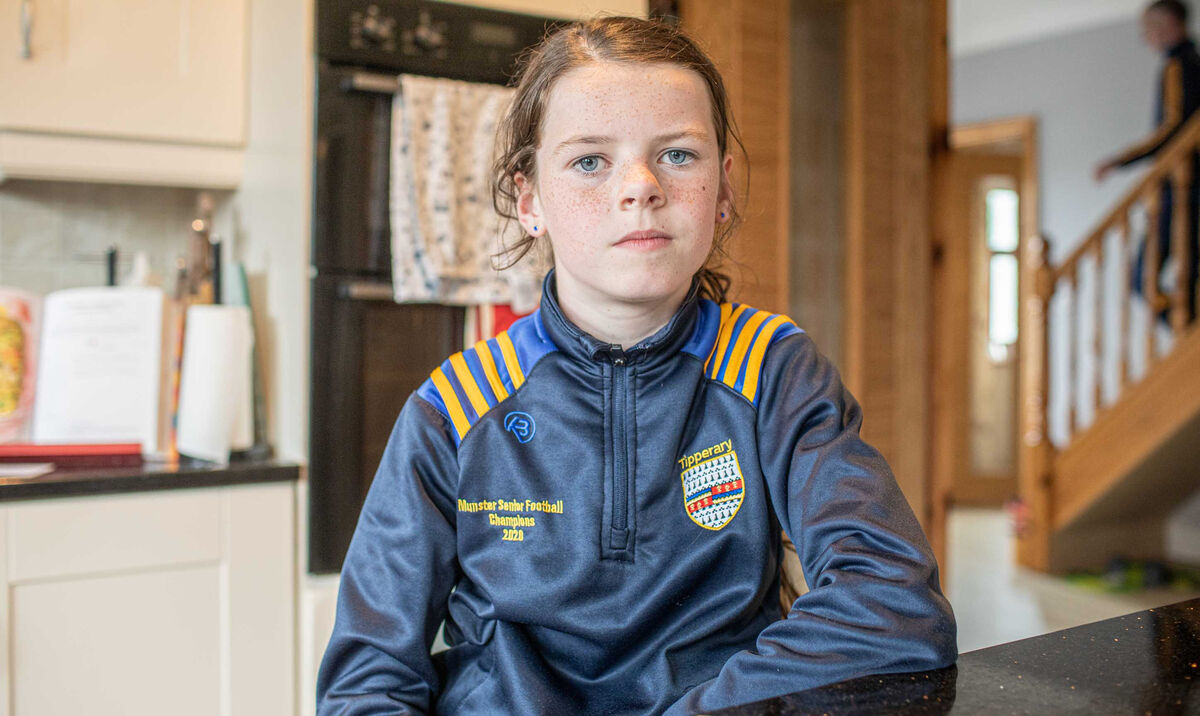
Another person out raising funds to fill the gaps left in educating children is 12-year-old Cara Darmody.
Cara’s two brothers 10-year-old Neil and John, five, are on the autism spectrum and for some reason the State cannot meet their needs in terms of services or education. Last week, Cara spoke to the Oireachtas joint committee on autism.
“I’m sick of adults who just talk,” she said.
“Why can’t you all do something about this and stop the damage being done to children with disabilities.”
Last July, Cara met the Taoiseach in his office and he said he’d do what he could, but it would appear that catering for all the children is even beyond the elected leader of the State.
The Minister for Special Education Josepha Madigan can’t do anything about educating all children with special needs either.
This week, it emerged that her promise to Gillian Milne that she would find appropriate school places for Gillian’s autistic twins, Kyle and Ryan, remains unfulfilled.
The Milne family was forced to open up their lives to the media in order to finally get a school place for their children.
Ms Madigan promised them last May that this would not continue, that the State would cherish Kyle and Ryan as much as it cherishes all other children.
We are now in November and the twins may or may not have a school to go to in the coming weeks. And the minister’s excuse, relayed to Katie Hannon on RTÉ Radio last Saturday was:
“I wasn’t physically building the school myself.”
So, it goes with giving every child the shot they deserve to reach their potential.
If the education you require is conventional, if your needs are not out of the ordinary, if your parents are in close proximity to the centres of power, you’re sorted.
For those who have needs of one kind or another that are beyond the conventional, you might get lucky and you might not. It’s no way to prepare the next generation, no way to claim that we have a functioning education system.
Education should not be reliant on any form of charity or the dispensing of favours.
Unfortunately, despite all manner of platitudes, there is no sign of the political will to effect real and lasting change.
CONNECT WITH US TODAY



Be the first to know the latest news and updates