Contraceptives, antibiotics, painkillers... human medicines having negative effect on wildlife

Himalayan griffon vulture: Tens of millions of vultures – which perform critical ecosystem services in disposing of rotting carcasses that would otherwise pose an infection risk – have died as a result of eating livestock that had been treated with diclofenac. A new 'vulture restaurant' with clean meat has been set up in India. Picture: AP /Kasetsart University)
Antibiotics have been a lifesaver for countless millions of people worldwide since their introduction in the 1940s. Many once life-threatening conditions are now successfully managed with antibiotics.
However, this vital lifeline against infection is weakening, mainly due to the rapid rise of antimicrobial resistance (AMR). This has been identified as among the greatest threats to human health, with infections such as tuberculosis and pneumonia becoming increasingly difficult to treat.
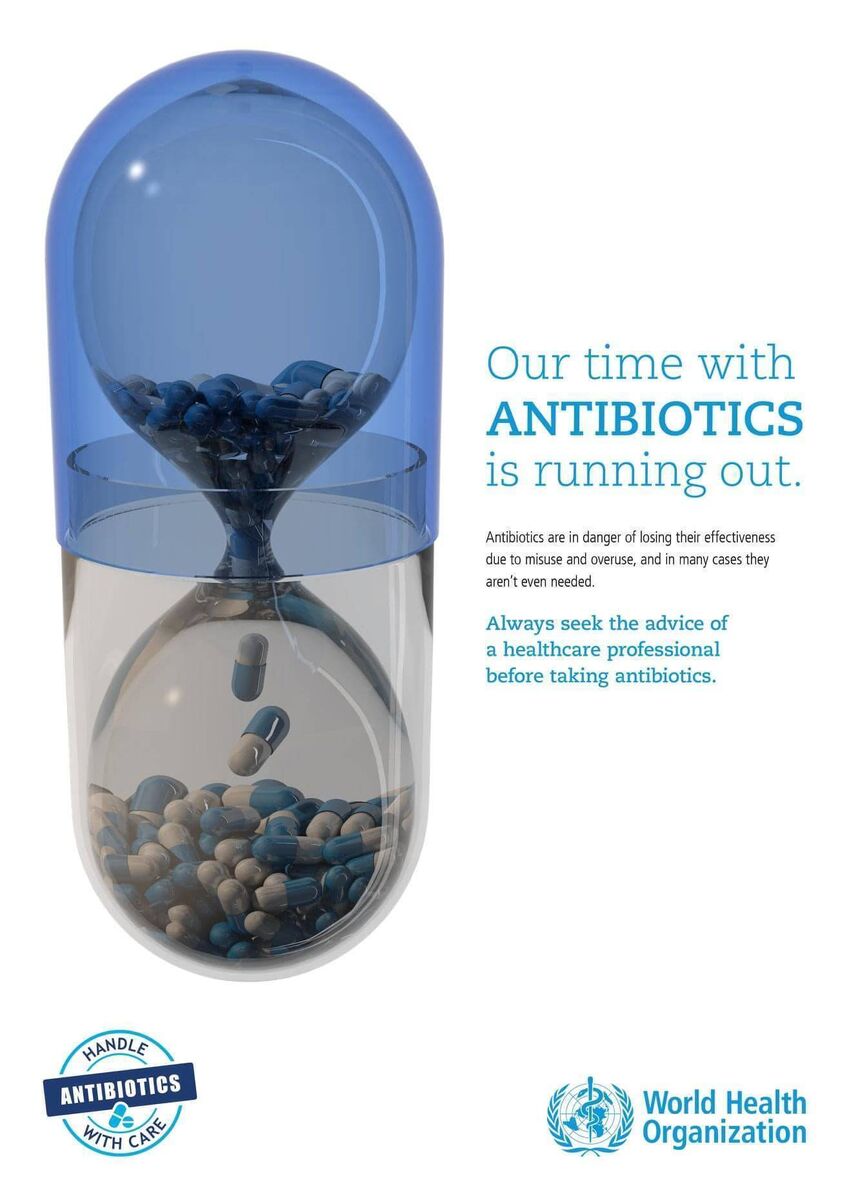
In an average year, around 40,000 tonnes of antibiotics are consumed by humans worldwide. However, veterinary use of antibiotics in livestock is far higher, at more than 130,000 tonnes a year.
As meat consumption continues to rise, the World Health Organization (WHO) projects that antibiotic consumption by livestock will have risen to 200,000 tonnes annually by 2030, presenting an acute threat to human health in the decades ahead.
Research published by the WHO found that bacterial AMR was directly responsible for 1.27 million deaths worldwide in 2019, and was a “contributory factor” in another almost five million deaths that year. The WHO warns that, on current trends, around 10 million deaths a year will result from untreatable antibiotic-resistant ‘superbugs’ in the coming decades.
The World Bank projects that AMR could increase global healthcare costs by around $1 trillion a year by mid-century. In the shorter term, the bank sees antimicrobial resistance inflicting massive losses on global GDP of up to $3.4 trillion a year by 2030.
The widespread and often indiscriminate use of pharmaceuticals is already having major impacts on the natural world. The anti-inflammatory agent diclofenac has been banned in many Asian countries as its use in treating cattle has led to the near-extinction of many species of vultures in south Asia.
Tens of millions of vultures — which perform critical ecosystem services in disposing of rotting carcasses that would otherwise pose an infection risk — have died as a result of eating livestock that had been treated with diclofenac. Other birds, such as eagles, have also been severely impacted.
Vulture restaurant set up in Jharkhand to conserve the species
— AgriExperts (@AgriExperts) January 15, 2024
The restaurant has been set up in Koderma district and will begin functioning once the protocol for goshalas (cow shelter) and municipalities for providing diclofenac-free animal carcasse.https://t.co/1bhd9iirw3
In fact, a new ' vulture restaurant' has just opened in Jharkhand in eastern India — this is a zone where diclofenac-free animal carcasses are made available for vultures in an effort to conserve and boost their population.
While the world’s waterways face pollution pressures on many fronts, the negative impact of pharmaceuticals as a pollutant is now receiving closer attention from scientists. A major research paper in 2022 covering waterways in 104 countries found that pharmaceutical residues in surface water “poses a threat to environmental and/or human health” in more than a quarter of the locations studied.
In fact, of the more than 1,000 sampling sites included in this study, only two, in remote locations in Venezuela and Iceland, were found not to contain pharmaceutical residues. Traces of non-prescription drugs, including paracetamol and caffeine, have also been identified in many waterways.
Some of the impacts on the natural world include harm to fish, frogs and birds, as the chemicals in these pharmaceutical residues can negatively affect animal behaviour and reproductive ability.
While pollution measures have been successful on many industries, the global pharmaceutical industry “is considered largely an unregulated sector in terms of environmental pollution”, according to a UN Environment Programme (UNEP) report in 2022.
An analysis produced in 2021 found that one in five new medicines approved by the European Medicines Agency that year were submitted without all environmental data. A report from the UNEP noted that once pharmaceutical residues enter waterways, “wastewater treatment plants are unable to filter out chemical compounds used to manufacture personal care products and drugs, so these chemicals seep into freshwater systems and into the oceans”.
According to the @WHO #antibioticresistance is rising to dangerously high levels worldwide —a #silentpandemic claiming 700,000+ lives annually. 📈 >>Tell @EPA & #Congress that #antibiotic #pesticides must be eliminated. #takeaction https://t.co/06evEWS4M1
— Beyond Pesticides (@ByondPesticides) January 6, 2024
Many of the medicines taken for human use end up being excreted via our urine into waterways. Hormonal contraceptives such as levonorgestrel disrupt the hormonal systems of fish and amphibians, including the feminisation of males, leading to population collapses.
Psychiatric drugs, such as antidepressants also impact on the hormonal systems of fish, while some painkillers including ibuprofen can cause organ damage in fish and impact reproduction and neurological function.
In response to growing concerns over the negative environmental impact of drugs, in 2021, the UK’s Royal Pharmaceutical Society issued new guidelines for medicines requiring manufacturers to supply information on the environmental risk posed by their products. These risks are to be included in NHS prescribing guidelines.
To reduce environmental harm, water treatment plants need to be upgraded with additional measures such as activated carbon filters and ozonation to prevent pharmaceutical residues from reaching waterways.
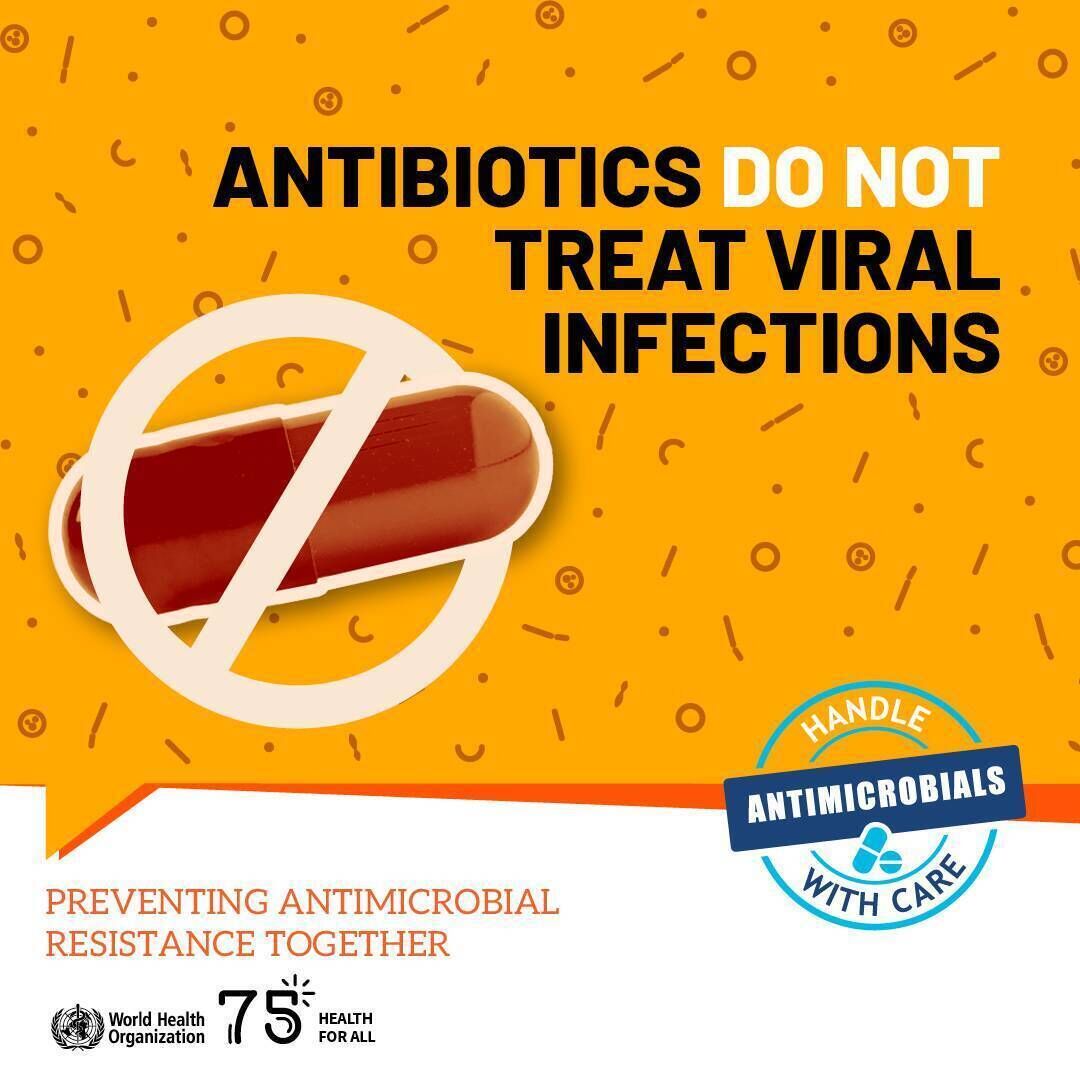
The European Commission has advised that all large-scaled water treatment plants include specific filters for a cocktail of elusive contaminants, including antibiotics, pesticides, hormones and microplastics.
The public can help by never disposing of drugs by flushing them down the toilet or sink. The pharmaceutical industry also needs to be pressed to develop products that are less environmentally harmful.
For agriculture, the widespread use of antibiotics in livestock remains a major public health hazard. Reducing our meat consumption is the best way to reduce this risk. Shifting to a diet that is largely plant-based is also good for our health and, as a bonus, means fewer emissions and a better environment overall.
- John Gibbons is an environmental journalist and commentator
CONNECT WITH US TODAY



Be the first to know the latest news and updates