These are the little-known acidic foods you need to cut back on for your health
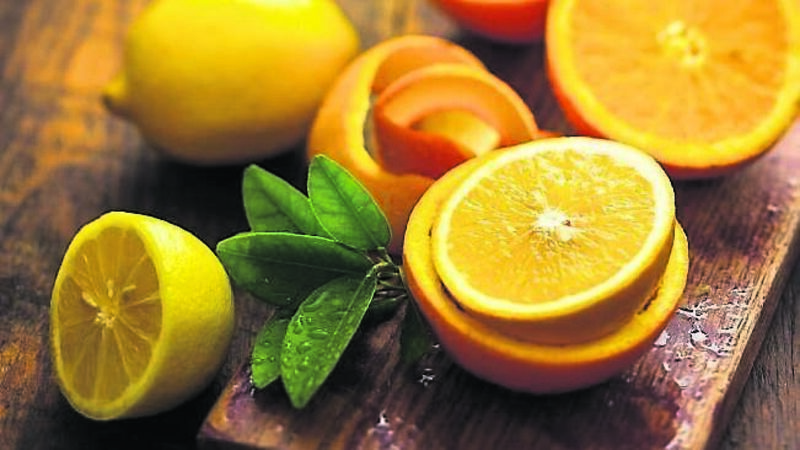
While oranges and lemons are commonly associated with being acidic foods, dietitians say our bodies determine if a food is acidic by how it is metabolised and broken down during digestion. Picture: iStock
In 2020, nutrition researchers at Trinity College Dublin conducted an investigation into the typical Irish diet. They concluded that the average person gets most of their dairy calories from a mix of cereals, red meat, dairy, and miscellaneous ultra-processed convenience foods. Legumes, non-starchy vegetables like leafy greens or broccoli, and fruit, comprise less than 5% of those calories.
One easy way to assess whether your diet is worryingly acidic is to use a simple chart known as the potential renal acid load table, recommended by researchers such as Beynon-Cobb and other experts on dietary acid load.
“The possible links between dietary acid load and many chronic conditions are being explored, but the underlying mechanisms that possibly mediate these relationships are still poorly understood,” says Annemarie Bennett, associate professor in dietetics at Trinity College Dublin.

- ‘The Age Code’ by David Cox is available for pre-order on all online bookstores
- “If you’re eating a highly acidic diet for many years, eventually the kidneys will be out of options, and need to turn into the bones and get some of the calcium out
CONNECT WITH US TODAY



Be the first to know the latest news and updates