Recipes: How you can eat to beat gut inflammation

Diet can play an important part in managing symptoms of IBD, a group of lifelong conditions that cause inflammation of the gut, including Crohn’s disease and ulcerative colitis.
“What can I eat?”
If you’re told that you have a chronic disease, it’s often the first question that you ask your consultant. When that diagnosis is inflammatory bowel disease - IBD - a condition that affects more than 40,000 in Ireland, it’s an even more urgent query.
Diet can play an important part in managing symptoms of IBD, a group of lifelong conditions that cause inflammation of the gut, including Crohn’s disease and ulcerative colitis.
With symptoms like abdominal pain, diarrhoea and nausea, IBD affects the gut, but it can also have an impact on overall quality of life.
“It’s widely variable how it affects different individuals,” says specialist gastro dietitian Lorraine Cooney, who leads the Gut Health Clinic at Dublin’s Blackrock Clinic. IBD is also something that is becoming more prevalent.
“It is a chronic condition that affects one in 100 people in this country but the rates are growing here and internationally.”
As symptoms are similar, IBD can sometimes be confused with IBS (irritable bowel syndrome), but these are different conditions: IBD involves inflammation of and damage to the gut, while IBS — without inflammation of the intestines — is thought to be a result of disordered communication between the gut and brain.
After IBD diagnosis, the focus is initially on reducing inflammation with medication. Going into remission — where there’s no active inflammation — is when people can try to understand how and what causes painful flares and develop a dietary system that works for them.
“There’s evidence that diet and lifestyle practices and habits can complement the medication plan and the management of this disease,” says Cooney. “It’s a chronic condition that doesn’t go away but can be managed.”
Cooney has worked for many years with Crohn’s & Colitis Ireland (CCI) and was the person the charity approached when it wanted to write a book for its fortieth anniversary. “The idea was that this would be a resource for the members, a practical book with recipes and tips.”
Cooney is also the author of two previous books: and , a collection of low FODMAP recipes with Paula Mee (both Gill Books).
“There’s a deficit of reliable information out there,” she says. “If you go to Google, there’s so much information that we can’t even get through the information. Sometimes, it’s shocking what comes up and what people are told to do…it can lead people down a very restrictive route. We know, as healthcare professionals, that an overly restrictive diet is not conducive to a healthy person and can lead to multiple nutrition deficiencies or impact body composition in terms of your lean body mass.”

With a focus on evidence-based practice — and reviewed by patients, gastroenterologists, and IBD nurses involved in CCI — Cooney’s is a useful primer for anyone living with IBD or for their family members. Based on research, a Mediterranean-style diet is recommended as, Cooney writes, it “can positively influence the gut microbiome, reduce inflammation and symptoms, and enhance overall quality of life.”
Including vegetables, fruits, nuts, seeds, legumes, fish, and olive oil, with moderate consumption of dairy products and minimal intake of red meat and processed foods, it’s the kind of diet that “has lots of good foods to nourish the body,” she adds.
This dietary pattern has been associated with numerous health advantages over and above IBD, writes Cooney, “including a reduced risk of bowel cancer, heart disease, type 2 diabetes and dementia. Plus, it’s linked to helping people live longer.”
With an emphasis on less processed foods, good quality protein and healthy fats, the Mediterranean dietary lifestyle is good for anyone who wants to change how they eat at this time of the year. It’s also a diet that can easily be incorporated into everyday life without involving specialist foods or extra costs.
The recipes in Cooney’s book — from gut-friendly breakfasts to meals for sharing, soups, smoothies and easy-to-digest snacks — cover all bases: carrot cake overnight oats, chicken provençal, minestrone soup and a lemon olive oil cake. These are uncomplicated dishes to enable people at different stages of IBD, and their families, to eat a nourishing, well-balanced diet that will make them feel better in the long term.
As we return to regular eating after a period of seasonal excess, people may wonder about their own gut health but it’s important to avoid Dr Google. “Don’t self-diagnose,” says Cooney. “If you have ongoing symptoms — like changes in bowel habits, losing weight unexpectedly, persistent bloating or gas — go to your doctor, tell them clearly what you’re experiencing and they can run tests. Don’t suffer in silence.”
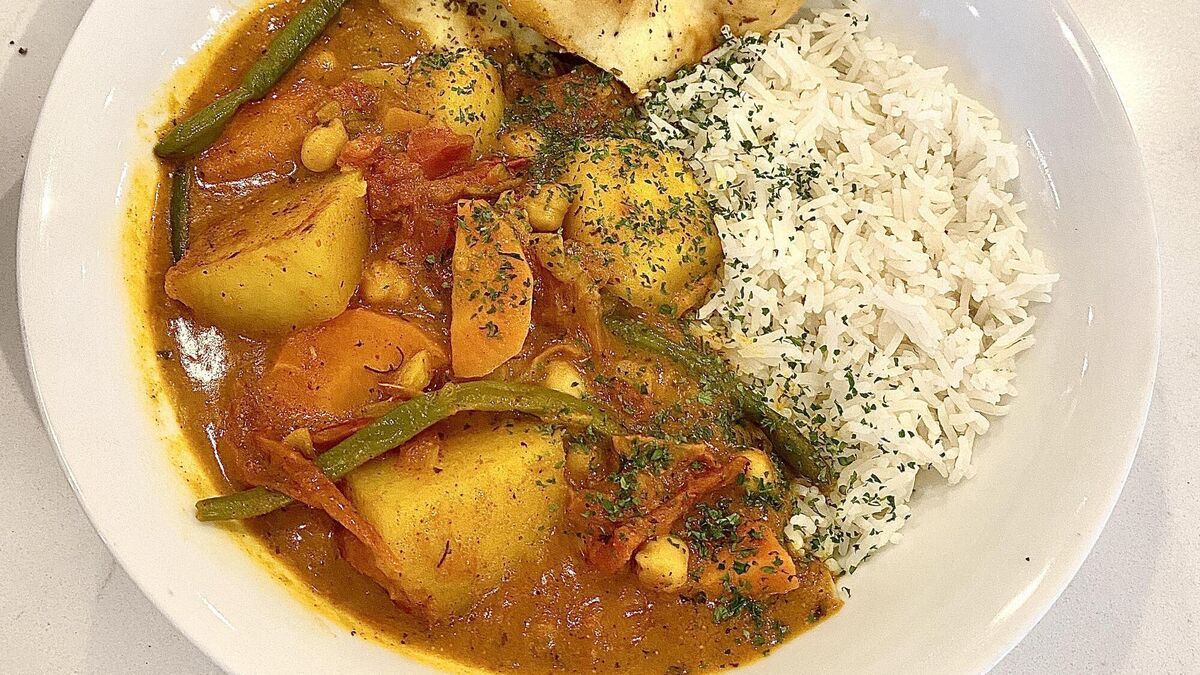
Lorraine Cooney's Mild Chickpea Curry
Taken from 'The Crohn’s and Colitis Diet Information & Recipe Book'.
Servings
4Preparation Time
25 minsCooking Time
40 minsTotal Time
1 hours 5 minsCourse
MainIngredients
2 tbs olive oil
1 large onion, finely chopped
2 garlic cloves, minced
1 tbs fresh ginger, grated
2 tbs mild curry powder (adjust to taste)
1 tsp ground turmeric
1 tsp ground cumin
1 tsp paprika
½ tsp ground coriander
½ tsp ground cinnamon
1 medium potato, peeled and diced
1 large carrot, peeled and sliced
2 handfuls green beans, trimmed (ends removed)
1 (400 g) can chickpeas, drained and rinsed
1 (400 g) can diced tomatoes
240ml light coconut milk
240ml vegetable stock
1 tbs tomato paste
1 tsp sugar
Salt and black pepper to taste
Fresh coriander, chopped
Optional: naan bread
Method
Heat the olive oil in a large skillet or saucepan over medium heat.
Add the chopped onion to the pan and cook for 5-7 minutes, until softened and golden brown.
Stir in the minced garlic and grated ginger and cook for 1 minute until fragrant.
Add the mild curry powder, ground turmeric, ground cumin, paprika, ground coriander and ground cinnamon. Cook for 1-2 minutes, stirring constantly to toast the spices and release their flavours.
Add the diced potato, sliced carrot, and green beans to the skillet. Cook for 5-7 minutes, stirring occasionally.
Stir in the chickpeas, diced tomatoes, coconut milk, vegetable stock, tomato paste and sugar. Mix well.
Season with salt and black pepper to taste.
Bring the mixture to a simmer.
Reduce the heat to low and cover the skillet. Simmer for 20-25 minutes, or until the vegetables are tender and the flavours are well combined.
Garnish the curry with chopped fresh coriander.
Serve the mild vegetarian curry with naan bread.
Note: For extra creaminess, and protein, you can stir in 1-2 tablespoons of coconut yoghurt before serving
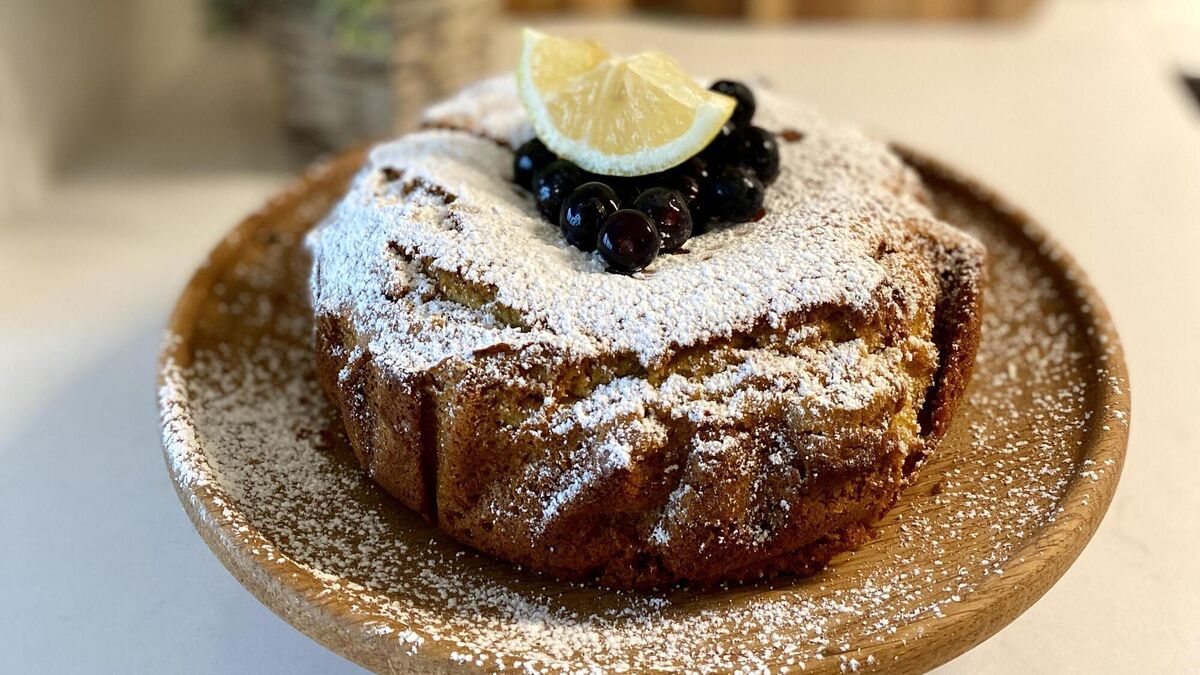
Lorraine Cooney's Lemon Olive Oil Cake
Taken from 'The Crohn’s and Colitis Diet Information & Recipe Book'.
Servings
12Preparation Time
50 minsCooking Time
30 minsTotal Time
1 hours 20 minsCourse
BakingIngredients
200g almond flour
120ml extra virgin olive oil (EVOO)
3 large eggs
100g honey
Zest of 2 lemons
1 teaspoon baking powder
½ teaspoon baking soda
A pinch of salt
Method
Preheat your oven to 175°C (350°F). Grease and line an 8-inch (20 cm) round cake pan with parchment paper.
In a large mixing bowl, whisk together the eggs and honey until well combined. Add the extra virgin olive oil and lemon zest, mixing until smooth.
In another bowl, sift together the almond flour, baking powder, baking soda and salt.
Gradually add the dry ingredients to the wet mixture, stirring until just combined and smooth.
Avoid overmixing. Pour the batter into the prepared cake pan, spreading it evenly.
Bake in the preheated oven for 25-30 minutes, or until a toothpick inserted into the centre comes out clean and the top is golden brown.
Allow the cake to cool in the pan for about 10 minutes, then transfer to a wire rack to cool completely.
Serve as is or with a light dusting of powdered sugar if desired.
Pairs well with berries or stewed fruits.
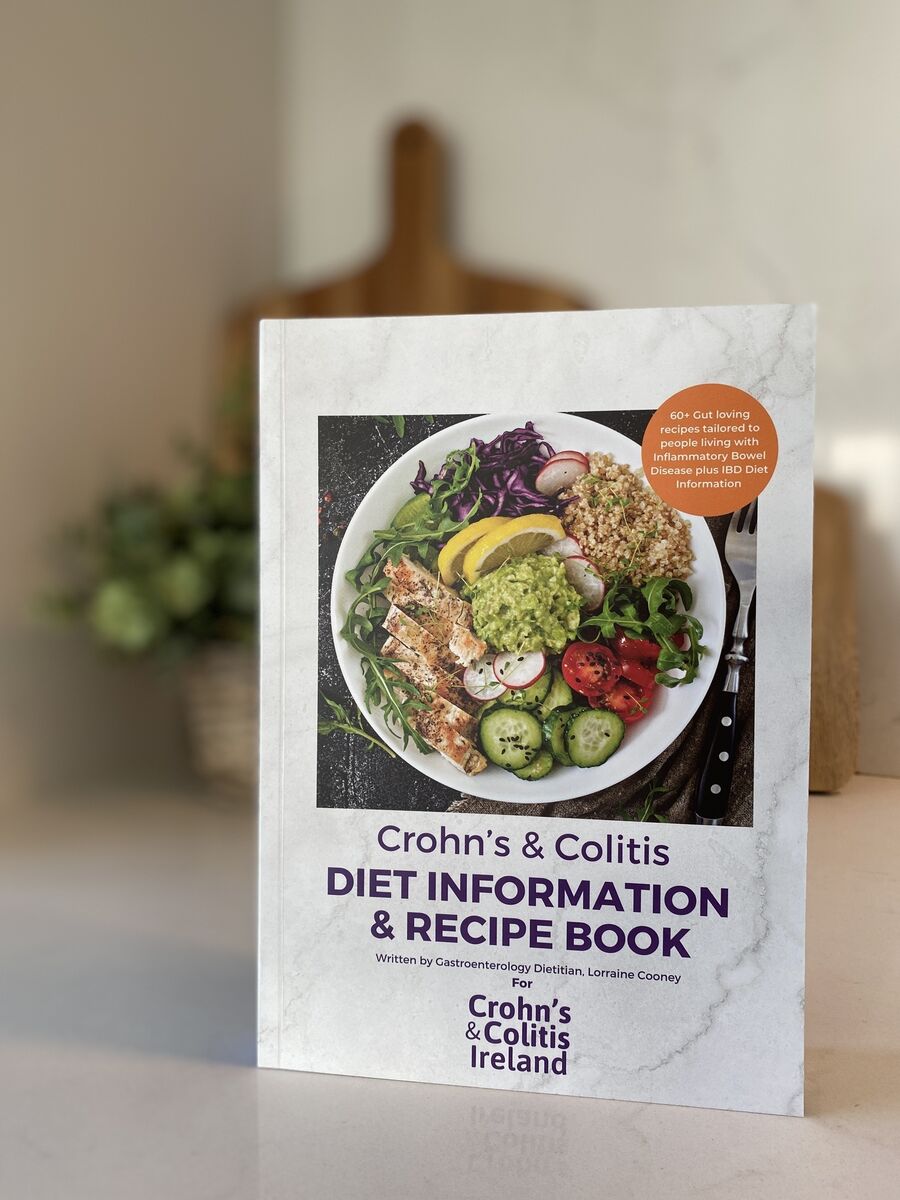
- (€10 for members and €20 for non-members) is available at www.crohnscolitis.ie.
- Anyone concerned about inflammatory bowel disease can call the Support Line on 01 531 2983 (Mon/Wed/Fri, 9.30am-12.30pm).
CONNECT WITH US TODAY



Be the first to know the latest news and updates