Irish Examiner view: Marking 30 years since Veronica Guerin's murder
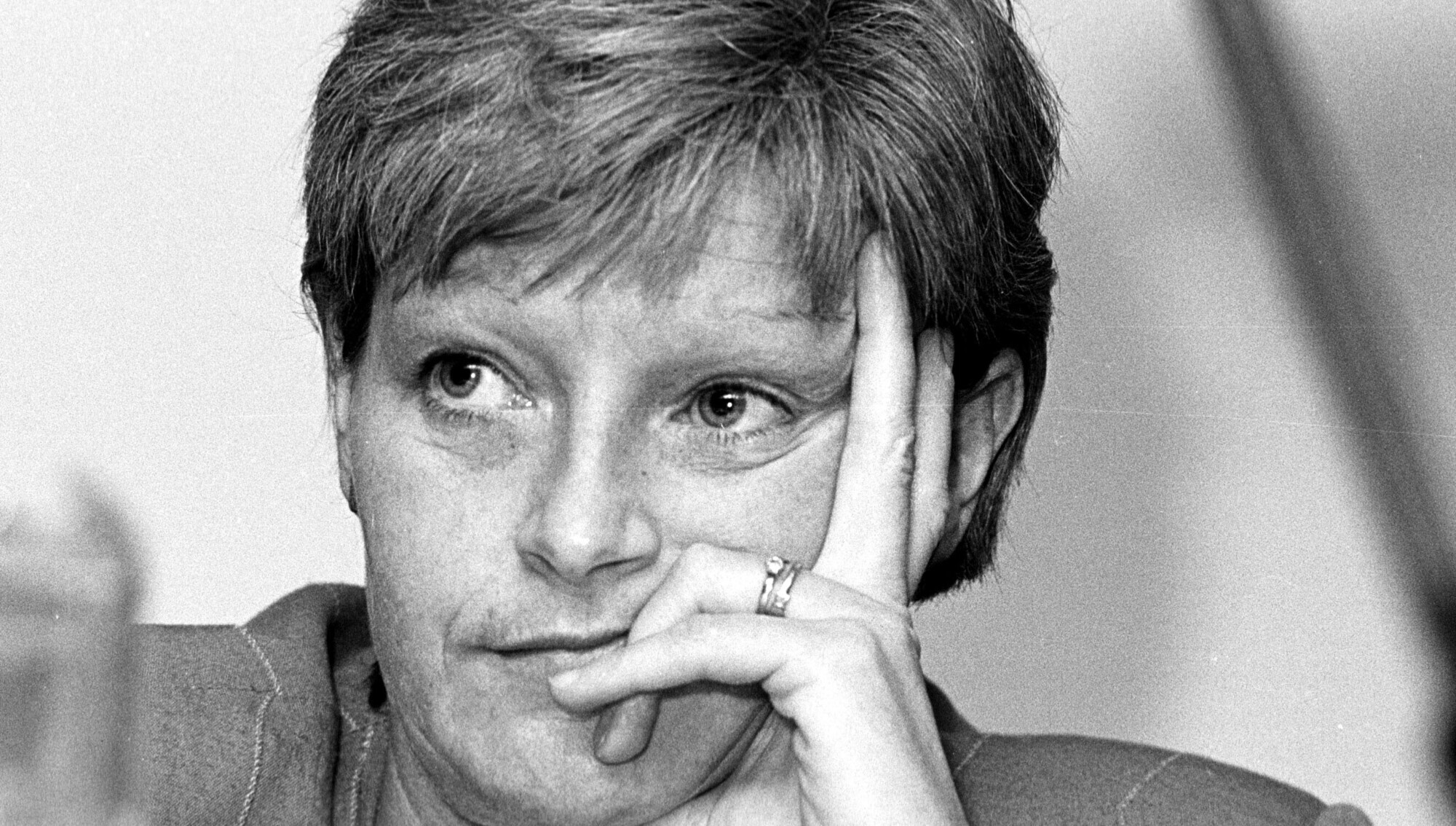
Veronica Guerin's murder was immediately recognised as an overt attack on our democracy. File picture: Eamonn Farrell
Friday marked the 30th anniversary of the murder of journalist Veronica Guerin in Dublin.
The then 36-year-old died when she was shot six times while stopped at traffic lights on the Naas Rd, a crime which brought the nation to a halt.
It is often hyperbole to describe an event as transformative, but the killing of Ms Guerin certainly was.
It was immediately recognised as a crime of cruelty and savagery which robbed a six-year-old boy of his mother, and as an overt attack on our democracy.
The response of the Government of the day was emphatic.
In seeking to counteract the sort of violent criminal gang which had killed Ms Guerin, additional Garda resources were committed to that area while new legislation established a witness protection programme and the Criminal Assets Bureau, which focused on those gangs’ ill-gotten assets.
It is good to note that Ms Guerin’s death is being marked by public events.
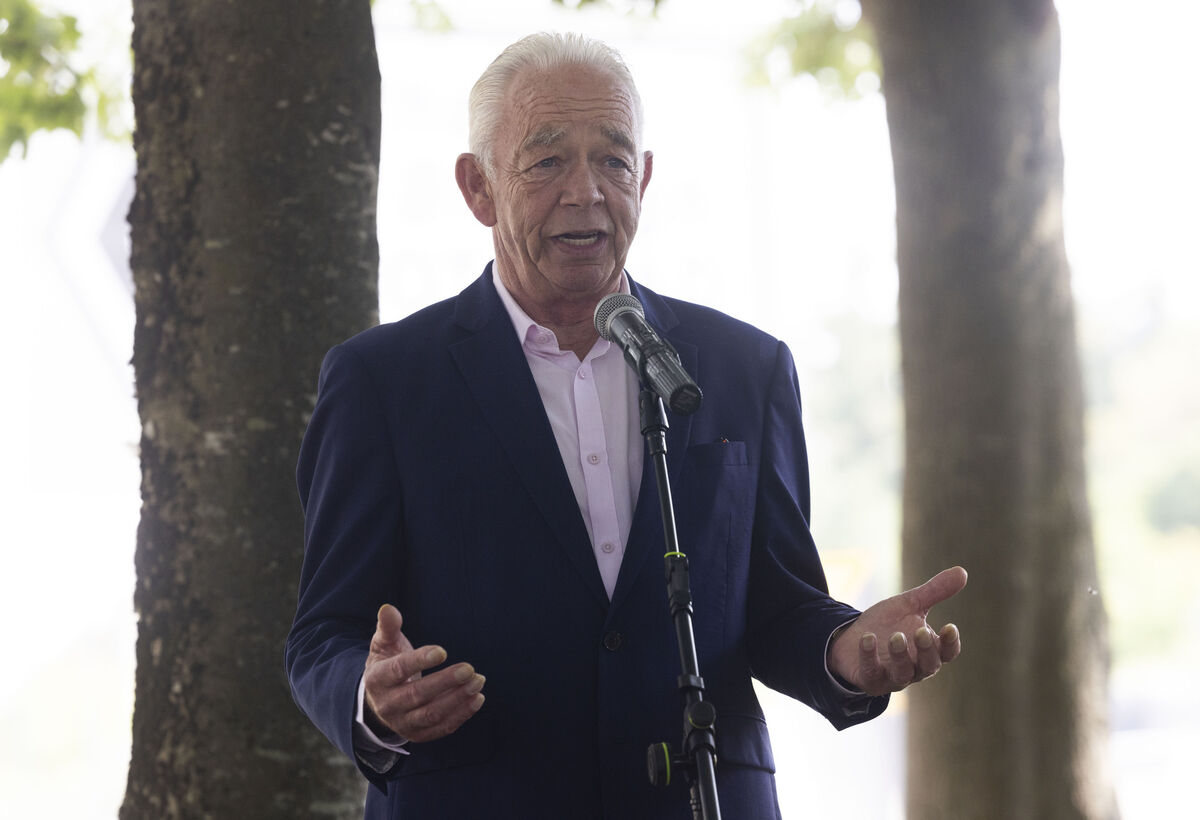
A community walk to the place where she was killed on the Naas Rd was held, while be an associated fundraising event for St Francis Hospice at the Convention Centre, attended by the Taoiseach and other public representatives also took place.
While these commemorations are welcome, Ms Guerin’s brother Jimmy stated this week that the bereaved family still lives with the pain of that loss, which is unacknowledged by those responsible.
Brian Meehan, who was convicted of Ms Guerin’s murder, has served 27 years in prison and will soon be eligible for parole.
Jimmy Guerin pointed out that Meehan has “never shown any remorse or acknowledged the gravity of Veronica’s murder while we continue to suffer.
"He will soon be released from prison after receiving a life sentence — but the only real life sentence has been endured by our family.”
The legislative and operational changes in how Ireland combats criminal gangs have been successful, but we cannot forget those came at the cost of one brave woman’s life, a cost which her loved ones still feel.
A long-running issue with our public transport system was raised again this week in the Dáil, and we seem no closer to a resolution.
The matter in question is the almost total lack of contactless payments on that transport system.
This week, transport minister Darragh O'Brien said this was the responsibility of the National Transport Authority (NTA) but outlined the timeframe involved.
Development of the new ticketing platform is due to be completed by summer 2027, with ticketing equipment to be rolled out across Dublin Bus and Luas services, followed by Irish Rail stations in the greater Dublin area.
The equipment is to go live in summer 2028, but only then will the technology start to be introduced on commuter and regional services outside Dublin.
This is extraordinary for several reasons.
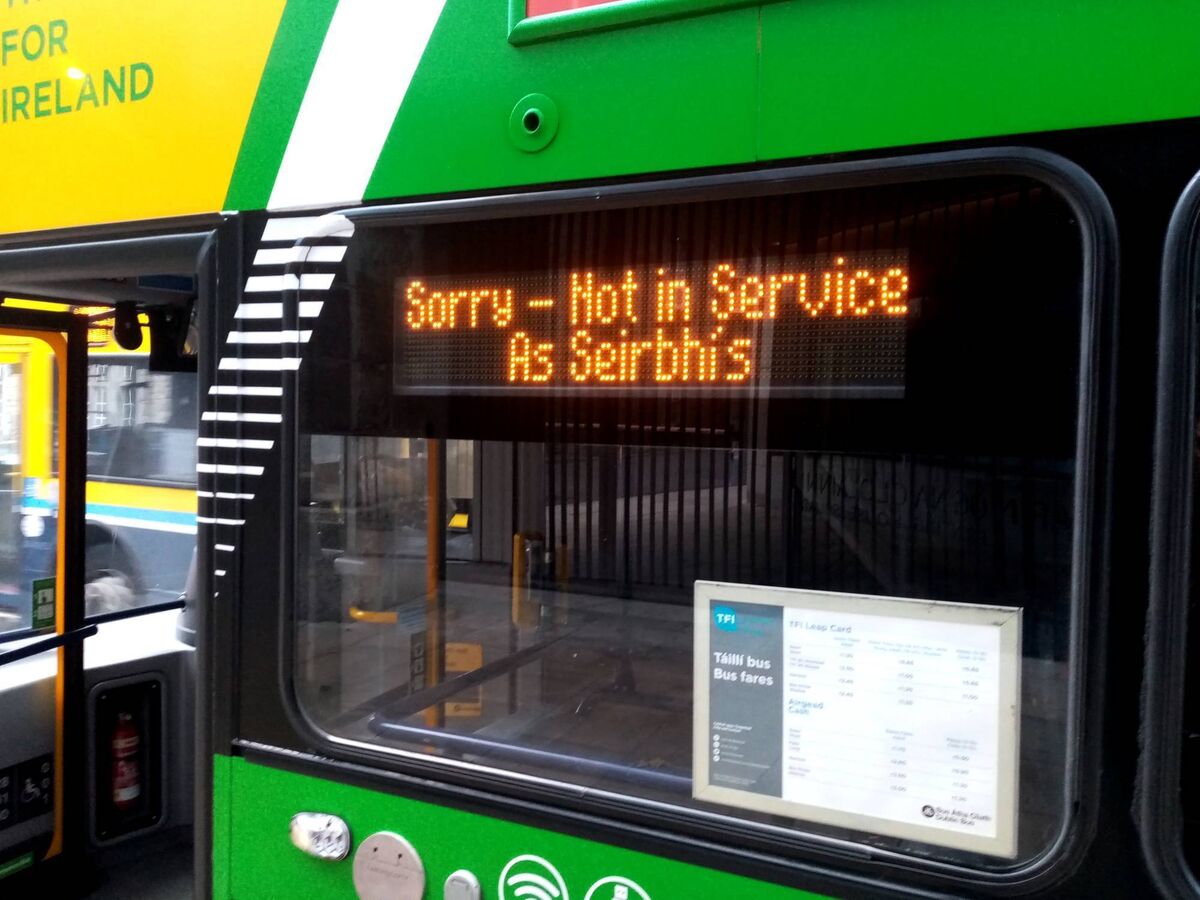
For one, we know that the NTA has already spent €35.6m on the project between 2020 and early 2026, yet we are still at least two years from its implementation in Dublin, while rolling out the system across the country as a whole is even further away.
Why has this process been so costly and so slow?
Second, one Irish transport network is up and running when it comes to contactless payments.
Mr O’Brien said contactless payments are being rolled out on the Transport for Ireland Local Link services nationwide, a system which allows passengers to pay single fares using bank cards and mobile payment services.
It is expected to be available across all 15 Local Link offices by the end of the year.
This is great news for Local Link users, but if this facility is available on this service, why is it not available on all our pubic transport systems?
And why will it take at least two more years to bring it in across Ireland?
We should be encouraging people to use public transport, and making their experience as smooth and efficient as possible is key to doing so.
Encountering public transport systems in other jurisdictions, where contactless payments are the norm, makes the delay in introducing this facility here all the more baffling.
Over the decades, the august surroundings of Leinster House have rung with many a stirring speech and rousing oration.
The cut and thrust of parliamentary debate has led to crushing putdowns and rhetorical flourishes, but this week marked a new entry into the lexicon.
It is believed that this is the first sighting of “mogged” in a Dáil debate.
For those unfamiliar with the term, it is generally understood to mean being overshadowed or dominated by another person in terms of appearance, ability, status, or sheer presence: In short, to be inferior in comparison.
Mr Nash is to be complimented on his use of the phrase, which appears to be deployed correctly in his contribution this week to the Official Report of Dáil Éireann.
It was not clear at the time of writing whether “looksmaxxing” or “six-seven” (with hand gestures) are next for inclusion.
CONNECT WITH US TODAY



Be the first to know the latest news and updates