Sarah Harte: Rising femicide and domestic abuse show Ireland must do more to protect women

Jamey Carney’s murder this week brings the number of women who died violently in 2026 to eight. Photo: Facebook
Jamey Carney’s face flashed up on LinkedIn the other morning.
Staring at the image of a smiling victim, because it is always a photo taken in a happy time, hits you in the solar plexus. Even working in the domestic violence field, you do not become hardened.
One detail in particular stood out in the coverage on Thursday: "Teenage girls and women fighting tears brought bouquets of flowers to Killarney, where the body of Jamey Carney was found on Tuesday."
There’s always an added layer for women and girls when femicides occur. It feels deeply personal. Women know it could be them, it could be their mother, their sister, their friend. It also, at some level, feels like a societal betrayal.
In the aftermath of a femicide, women speak among themselves, both on and offline, asking the question, what will it take for this to stop? As somebody angrily said to me this week: "You’d get sick of listening to the old guff in the Dáil".
Read More
Jamey Carney’s murder this week brings the number of women who died violently in 2026 to eight. It’s July, and that figure has surpassed the total deaths recorded last year.
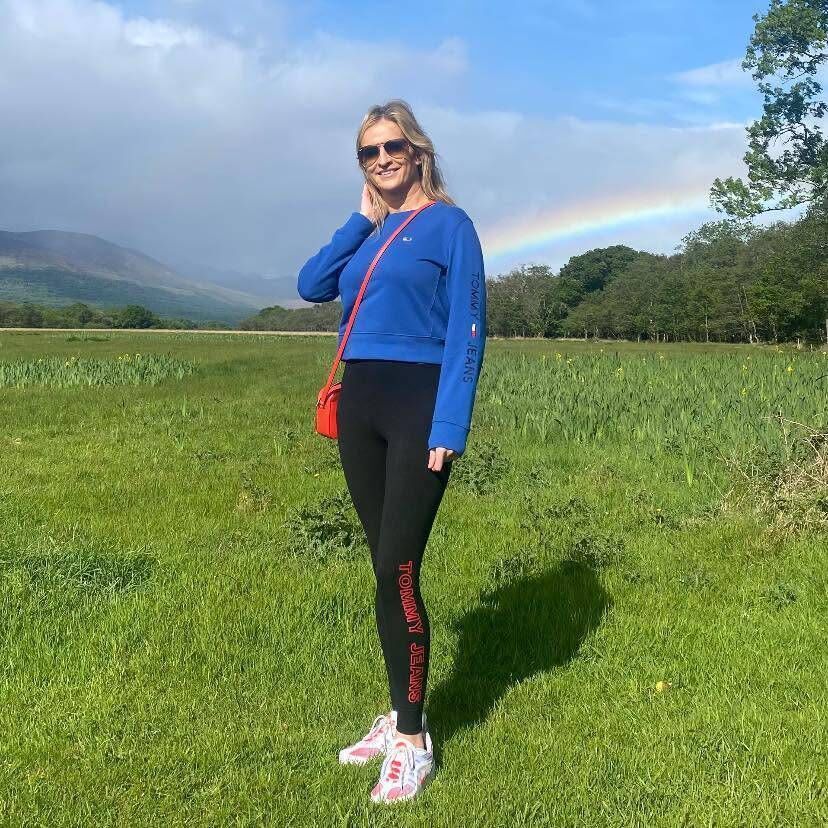
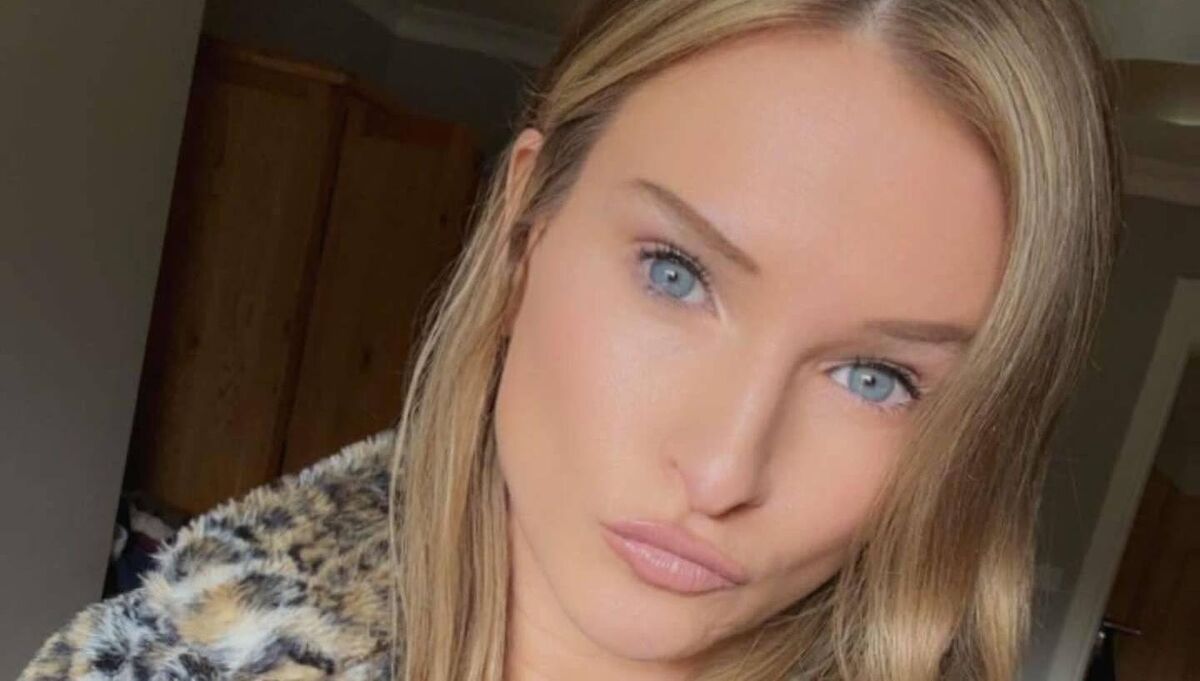
Home is the most dangerous place. American Jamey Carney, aged 43, was murdered in her own home in Killarney. The male suspect in this case has fled the country.
Jamey Carney worked in the health care sector, was involved in many local groups, including her local GAA club and was described as a devoted mother to her 13-year-old daughter.
Last weekend, 55-year-old Adina Raluca Constantin, a Romanian national, met her death in her own home in Portlaoise. Her husband has been charged with her murder.
Adina Constantin worked at a dental repair practice and was described as somebody who "got on well with people in the area".
Two women dead in the same week, both of whom came to Ireland to set up a new life.
Now their shattered families and stunned communities will see their names added to the growing list of women who died violently in Ireland.
According to Women’s Aid figures, of the 285 women whose deaths have been recorded since 1996 by Women’s Aid Femicide Watch, 63% died in their own homes, and almost nine in 10 knew their killer.
This should put to bed the myth that women are always murdered by random perpetrators whom they are unfortunate enough to come across.
Obviously, this happens too, as when Ashling Murphy was tragically murdered walking along the towpath in the Grand Canal in broad daylight in 2022.
We said never again after Ashling’s devastating murder, but as of this week, 40 more women have been murdered since then.
The unpalatable reality is that this year’s increased rate of femicide accompanies skyrocketing levels of domestic and sexual violence against women in Ireland.
To give you an idea, An Garda Síochána received 67,000 domestic abuse call-outs last year, which equates to approximately one call every 10 minutes. Those figures have increased this year.
There’s no precise official statistic, but domestic abuse services and the World Health Organisation confirm that a majority of women do not disclose their abuse or seek support, meaning official figures capture only a small proportion.
Only when you confront this reality do you realise the true scale of the problem.
A question worth asking is why so few victims report their abuse.
There are overlapping reasons, including the obvious fear of retaliation and escalation.
Plus, we’re big on stigma in this country. We have been raised in a culture where the family is all. The core cultural belief that you do not go outside the family may be weakening, but attitudes are changing slowly.
Earlier this year, the minister for justice Jim O’Callaghan said the steady increase in reporting might be evidence that more people feel more confident in reporting abuse. He linked this to the increase in awareness campaigns.
Without a shadow of a doubt, there’s an element of truth here, and the Domestic Sexual and Gender-based Violence statutory agency Cuan’s ‘The Hardest Stories’ campaign was both impactful and valuable. But it’s not the whole truth.
Many victims never come forward. A reason as to why so many victims do not report abuse may be found in the Joint Committee on Justice, Home Affairs and Migration ‘Report on Tackling Domestic and Gender Based Violence’.
The report, which was issued on Thursday, seems to suggest that victims may not come forward to report their abuse because they don’t trust the system.
And why should they when the report paints a picture of a deeply fractured system with persistent institutional failures that continue to undermine victims’ trust?
The wide-ranging report makes many valuable recommendations, including some for our legal system, its controversial in camera rule, and its criminal court, family court and public childcare law systems, which do not interact to the detriment of victims who may be dragged through the three concurrently and re-traumatised.
However, one of the report’s clearest messages is directed at An Garda Síochána: five of its 26 recommendations concern domestic abuse involving serving gardaí.
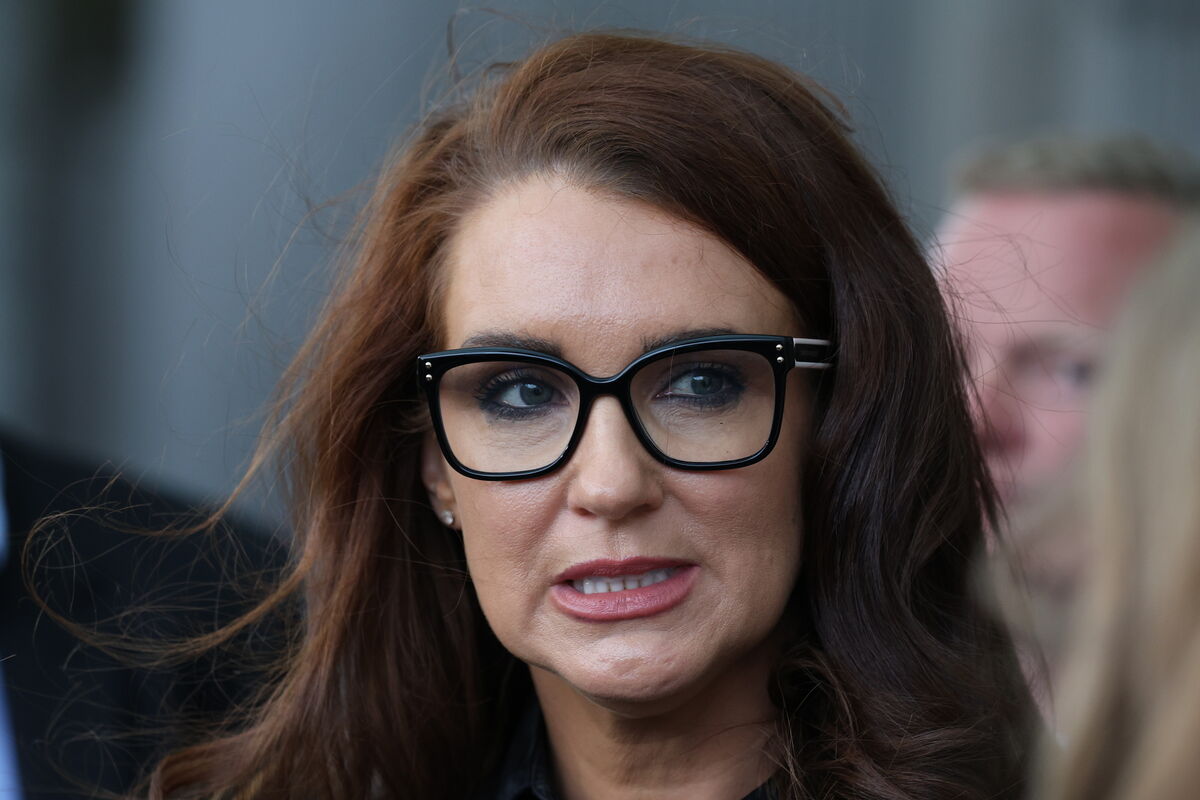
Former Garda and domestic abuse survivor Margaret Loftus told the committee that the presence of perpetrators within An Garda Síochána creates an inherent conflict of interest and undermines the force’s ability to investigate domestic violence impartially.
Her ex-husband, Garda Trevor Bolger, was sentenced to a three-month suspended sentence earlier this year following an assault on her some years ago.
In her victim impact statement, Ms Loftus said her decision to leave had impacted her professional relationships in An Garda Síochána, with a stigma attached to her. This is just one of many high-profile domestic violence court cases involving current or former gardaí.
Who could forget her interview with Miriam O’Callaghan earlier this year and the sheer bravery of the woman? It made for tough watching.
Nobody doubts that many members of the force are committed to rooting out domestic violence. I’ve personally undertaken specialised domestic violence training alongside highly motivated, impressive gardaí.
But the response remains unacceptably uneven, which is why the committee recommends more domestic abuse training and education within An Garda Síochána.
Perhaps most strikingly, the Oireachtas Justice Committee calls for the first statewide report on the prevalence and nature of domestic violence by gardaí that would produce recommendations for operational reform.

This must happen. Victims cannot have confidence in a justice system and will not walk into a garda station where the very people tasked with protecting them are accused of domestic abuse.
The tragic deaths of Jamey Carney and Adina Constantin expose a wider failure in how we recognise, prevent and respond to violence against women.
Until we have institutions we can trust, confront the attitudes that underlie this violence and ensure that complaints are acted on, we will continue to lay flowers for women we failed to protect.
Ar dheis Dé go raibh a n-anamacha dílse.
CONNECT WITH US TODAY



Be the first to know the latest news and updates