Catherine Conlon: The last bastion of urban silence is being shattered by drones
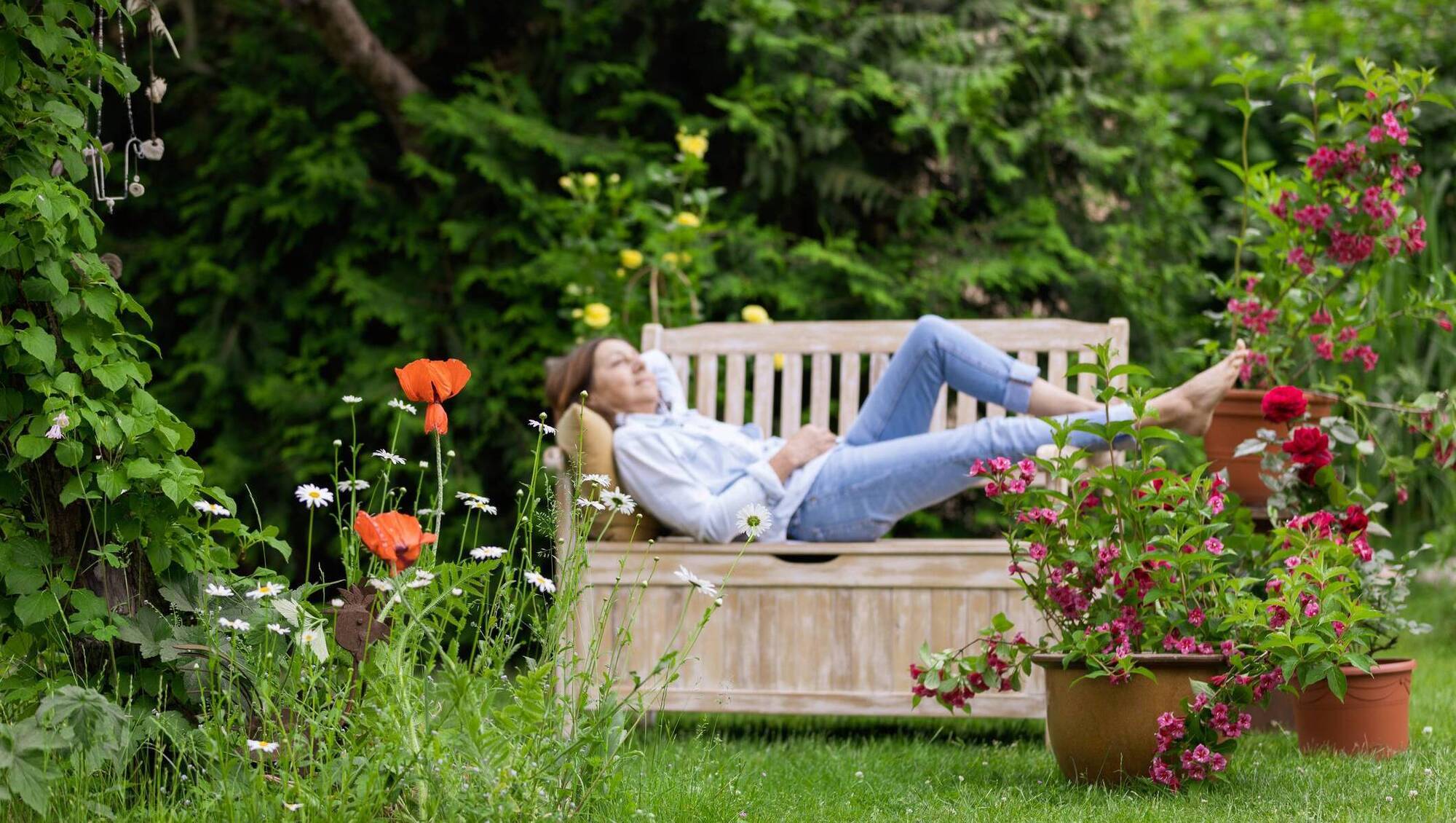
When stress is persistent or chronic, with no opportunity for relaxation or renewal, it can have long lasting health impacts. Picture: iStock
Finally, the sun is beginning to appear. The garden, tangled and overgrown from a long, wet winter, needs attention. There is nothing to compare with a couple of hours at the weekend, weeding, pruning, tending to the lawn and clearing the drive accompanied by friendly robins, garden smells, and the whisper of the wind in the trees.
Until the drones arrive.
Like oversized arachnids, they disturb my thoughts, scatter the birds, deprive me of my blissful solitude. Back and forth they go, all afternoon and well into the evening — hovering, buzzing blisters on the urban landscape.
Is the one final bastion of peace and relaxation in the city to be blighted forever by the arrival of the latest market-driven purge of silence and wellbeing?
Cork City Council has opened an enforcement file in relation to a drone delivery service which recently began operating in the southside of the city.
Read More
The service, which sees food delivered by drone to people’s homes, began operating from a base in the Marina area in February. The company, Manna Air Delivery, operates similar services in Dublin.
The council is reported to have opened an enforcement file in relation to a drone delivery operation based at Centre Park Road, issuing a warning letter to the operations of the service on April 17.
The enforcement file relates to the company’s landing area only, and not its operations in the sky. While local authorities are responsible for zoning, land use, and general planning matters on the ground, the Irish Aviation Authority (IAA) is the regulatory body for airspace.
Manna Air Delivery is due to create 400 jobs following €43.6m in investment. However, initial operations in the city have drawn privacy and noise complaints from local residents.
The council’s transport strategic policy committee recently hosted representatives from the IAA, who said it only dealt with the safety aspect of drone operations at the moment, but a working group examining concerns such as noise and privacy was being established.
Read More
That working group is urgently needed, and according to Cork City councillor Peter Horgan, Cork City Council must be part of it.
“There must be a mechanism for residents impacted to cite their issues to an independent body,” Mr Horgan said. “This isn’t about one provider; it’s about the entire special issues of drones as delivery for consumables.”
And it is not just Cork residents who are objecting. A petition to stop drone noise in Cork and Dublin has received hundreds of signatures. The petition describes “repeated loud noise overhead, intrusion into gardens and outdoor space, many times per hour, day after day”.
All those summer afternoons spent in my western- facing garden. All those evenings on the deck with a book and a glass of wine or a cup of tea, sinking into solitary slumber, as the birds roost, the sun sinks and the bats arrive to feed in the gathering dusk. Are those peaceful interludes gone forever?
A bit of stress is a normal part of our daily lives and can even be good for us. But when stress is persistent or chronic, with no opportunity for relaxation or renewal, it can have long lasting health impacts.
That’s because repeated stress can have a huge impact on our brain, putting us at risk for both physical and psychological problems.
Unrelieved stress is a major trigger for persistent inflammation in the body. Chronic inflammation can lead to a range of health problems ranging from diabetes to heart disease and dementia. The brain is normally protected from circulating molecules by a blood-brain barrier. But under repeated stress, this barrier can become leaky, allowing circulating inflammation proteins and opportunity to get into the brain.
The hippocampus, the critical region in the brain for learning and memory, is particularly vulnerable to this blood brain barrier leakage. There is evidence that this inflammation can impact brain systems linked to motivation and agility.
Chronic stress also affects hormones in the brain, including cortisol. Persistently high levels of cortisol have been shown to be linked to mood disorders as well as shrinkage of the hippocampus.
In addition to depression and anxiety, chronic stress also impacts on work, frequently leading to burnout that adds to anxiety leading to a vicious cycle perpetuated by the absence of time to relax and recover.
Dealing with stress includes a combination of measures. More exercise and building social connections are hugely helpful. But mindfulness is also a key de-stressor. Taking the time to be curious about the world around us and spending time in the moment.
The constant interruption of drones makes mindfulness in the urban landscape almost impossible.
The garden in summer is the perfect haven for a doze. Late afternoon or early evening, on a comfortable chair surrounded by buzzing bees, chattering birds and a setting sun. Bliss.
Increasingly, in a society that prizes productivity, sleep is considered expendable, something to trade for late night binge watching of your favourite show. But the research tells us that sleep is as important as diet and exercise for good health.
Globally, Ireland ranks in the top five for poor sleepers. Almost half of us (40%) feel tired almost every day. The average amount of sleep Irish people get is just over 6.5 hours with almost half (43%) worried they are not getting enough.
And this is impacting our health. Adults who regularly sleep less than six hours increase their risk of premature death by 20% compared to those who sleep seven to eight hours. Short sleep or poor sleep routine raises blood pressure, disturbs hormonal regulation of appetite, impairs glucose control, weakens immunity, and accelerates ageing of arteries.
It’s not just physical health. Poor sleep routines double the risk of developing depression while consistent sleep routines support emotional regulation and ability to combat stress.
That nap in the garden allows all the strains of a busy week to dissipate into the air. But is it any good if it is demolished by the sound of an approaching drone, louder and louder until it passes over your head, invading your privacy?
Think about how many minutes of a day you spend in silence: no music, podcasts, screens, or talking. You might have to think long and hard before you unearth five or ten minutes you actually spent not engaged with some gadget or some other person. A 2013 study found that just two hours of silence a day increased neurogenesis — the process by which neurons are formed in the brain — in the hippocampus, the centre of conversion of short term into long-term memory.
According to Dubai-based neurologist and Atlantic Fellow for Brain Health Equity, Dr Alejandra Guerrero Barragan, “silence is not empty — it is activation”.
“We live in a permanent acoustic gym: notifications, podcasts, music, conversations, TV. Our brains are constantly processing sound, with almost no real recovery time.”
Can you manage 30 minutes of silence a day? I could — if it wasn’t for those flaming drones.
- Dr Catherine Conlon is a public health doctor in Cork
Read More
CONNECT WITH US TODAY



Be the first to know the latest news and updates