Life goes on in Cuba despite brutal US blockade
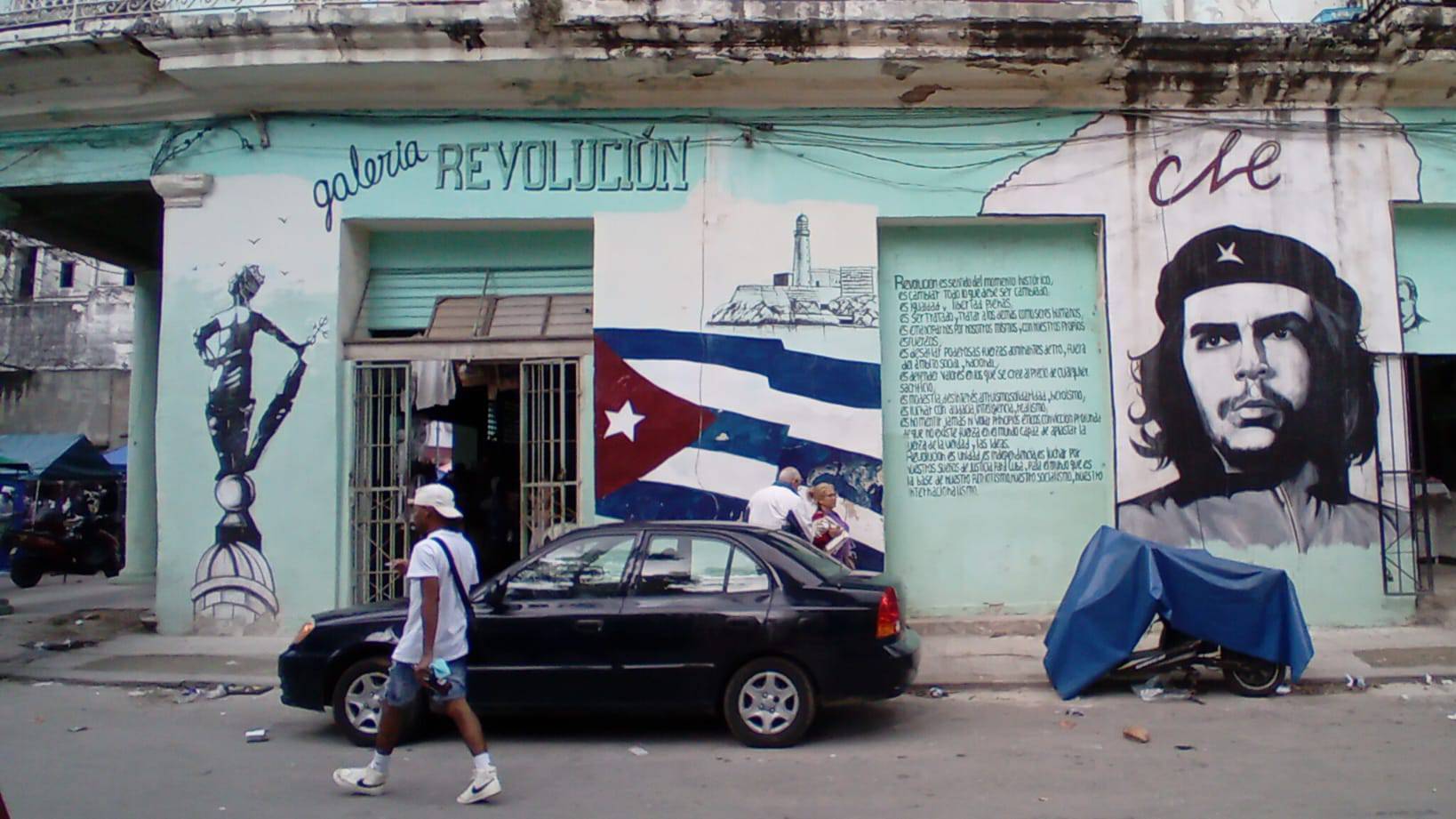
Workers struggle to get to and from work, food grown in the countryside doesn’t reach urban areas, meanwhile produce entering Cuba from abroad is difficult to distribute. People are going hungry. Photo: Niamh Ní Bhriain
On March 21, Cuba’s national energy grid collapsed for the second time in less than a week.
Exasperated Cubans uttered the familiar ‘se nos fue la luz’ (the electricity is gone).
Read More
The apagón nacional (nationwide blackout) meant that after dark there would, quite literally, be no light in the entire country.
With the exception of hospitals, Havana port and airport, luxury hotels, and a handful of other locations with generators, Cuba’s 10 million people would endure another night of total darkness.
Water supply is also affected during blackouts and within hours the tank at the casa particular where I was staying was empty.
Outages are so common, often occurring many times a day, that as soon as power returns, people begin preparing for the next one by stockpiling water, charging phones, cooking, and doing housework at odd hours, just because they have electricity to do so.
Although the immediate cause of this apagón was a technical fault, the underlying reason is the US blockade of Cuba.
In 1962, US president John F Kennedy announced "a total embargo upon all trade between the United States and Cuba". The US would not tolerate that a small island nation 90 miles south of its shores had dared to defy it.
It sought to "bring about hunger, desperation and overthrow of government" by collectively punishing the entire population, a crime under international law.
Since then, the UN General Assembly has voted overwhelmingly against the blockade 33 times. Nevertheless it remains in place and has been tightened in recent years.
In 2021, the US State Department designated Cuba "a State Sponsor of Terrorism", meaning that entities trading with it could face sanction or prosecution. In January 2025, the designation was briefly lifted by president Joe Biden before being reinstated when Donald Trump took office a few days later.
Since the kidnapping of Venezuelan president Nicolas Maduro on January 3 this year, the noose around Cuba’s neck has begun to asphyxiate its people. No fuel has reached the island in over three months.
Supplies are now dangerously low with priority given to hospitals, state institutions and public transport.
Workers struggle to get to and from work, food grown in the countryside doesn’t reach urban areas, meanwhile produce entering Cuba from abroad is difficult to distribute. People are going hungry.
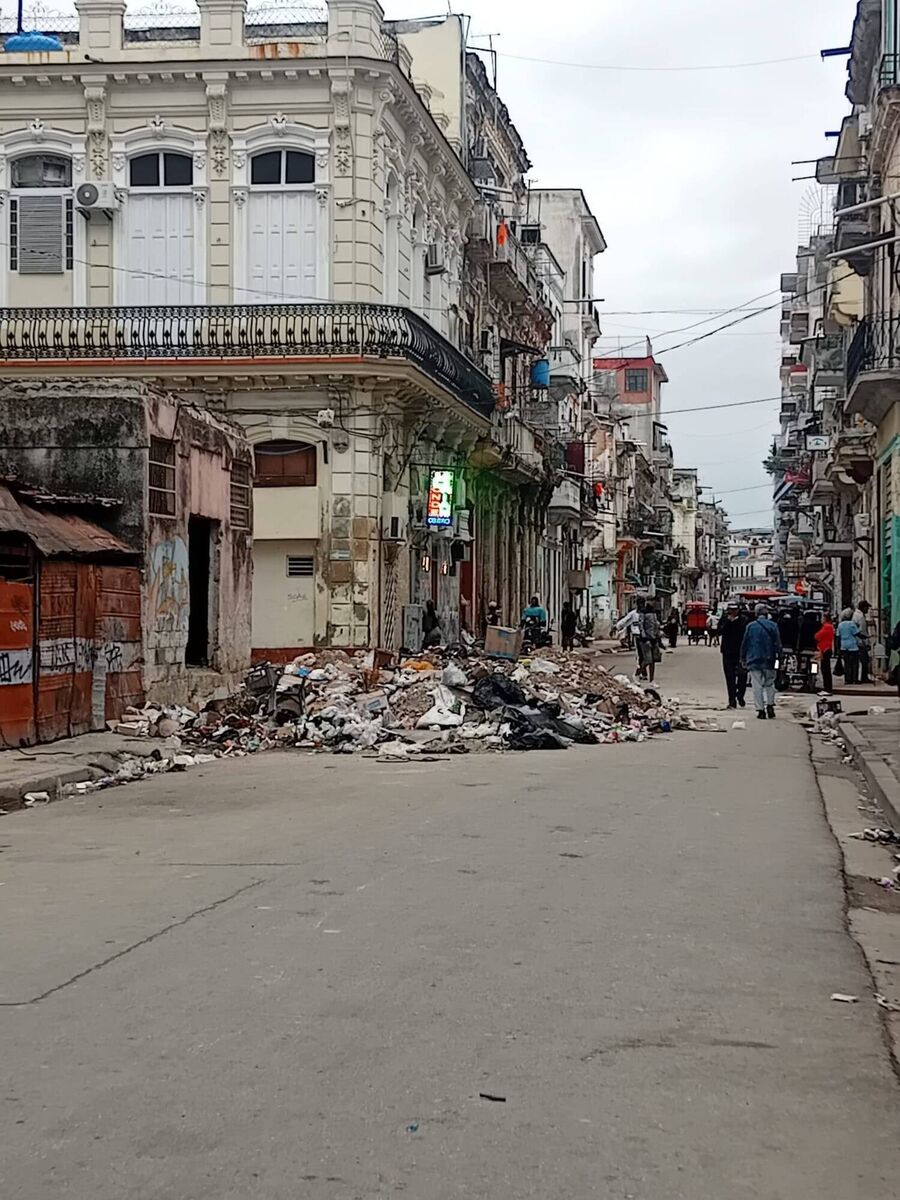
An elderly lady working in a museum with a state salary of less than $US10 a month told me she didn’t have breakfast that morning, wouldn’t have lunch, and had no idea how she’d have dinner.
Her story was not unusual. I heard it over and over. People are literally living from hand to mouth unsure of where their next meal will come from.
The current fuel crisis is compounded by the fact that the blockade has restricted the entry of very basic items for decades. Factories or electricity plants are often forced to shut, not just because of dwindling fuel supplies, but because machinery frequently breaks down and repair work is difficult because of the absence of components.
Take a street lamp — even if there is power, if the bulb blows, there may be no bulb to replace it in the entire country and importing one may prove difficult, if not impossible, because the provider fears sanction or prosecution for doing business with a "state sponsor of terrorism".
Basic hygiene products, school materials, household goods, clothing, electronics, virtually every single thing we take for granted in Ireland, is almost impossible to get in Cuba because of the blockade.
Cuba’s medical personnel are world renowned for their contribution to global health. Since the revolution, over 600,000 Cubans have provided free health care in contexts such as the ebola outbreak in West Africa, or in the aftermath of hurricanes and earthquakes.
This medical internationalism has also seen Cuba train students from all over the world for free at the Latin American School of Medicine (ELAM).
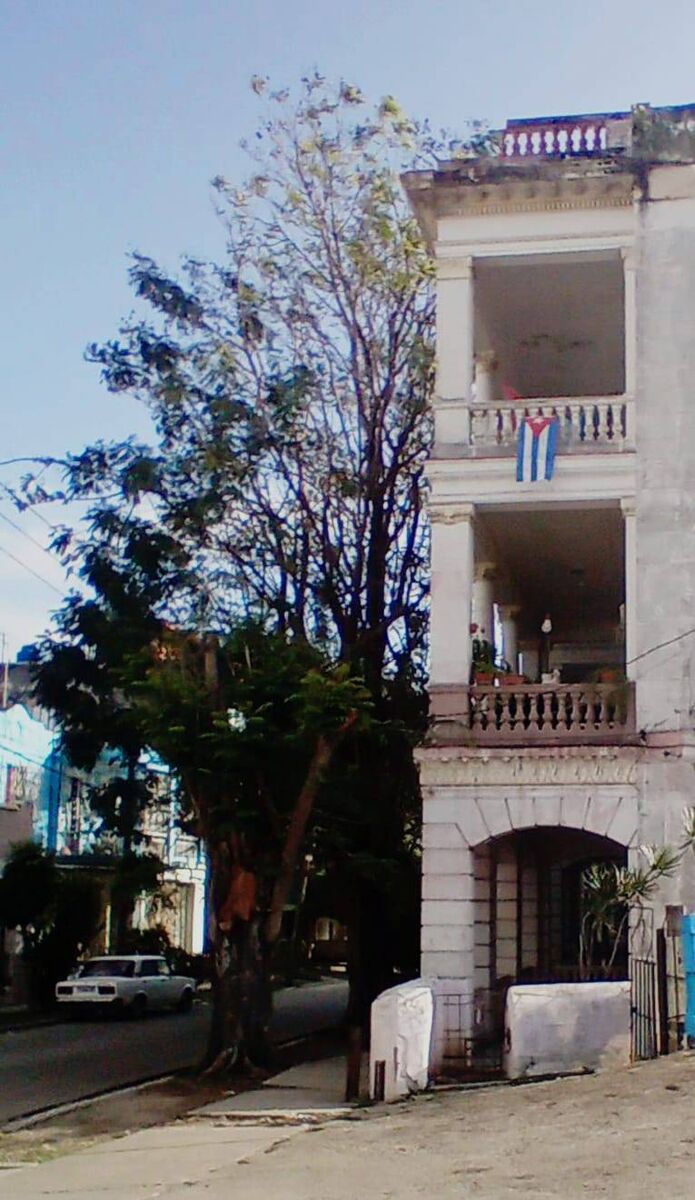
As the blockade intensified, a call went out in early March for people to join a medical aid convoy to return the solidarity that Cuba has shown the world for decades through the provision of free health care.
More than 650 delegates from over 33 countries travelled to Havana transporting 50 tonnes of medical aid as part of the Nuestra América Convoy, including 19 people from Ireland with roughly 700 kilos of supplies. As we made our way to Havana, the Taoiseach travelled to Washington to be hosted by the state responsible for the siege.
Alongside those who travelled, dozens of people mobilised to gather supplies, from mothers in Belfast who gathered dozens of asthma inhalers, to a medical professional in Galway who sourced hundreds of antibiotics, to a clinic in Dublin that donated surgical PPE gear.
Generous financial donations came too, including from a woman who grew up in southern Africa and owed her life to Cuban doctors who cured her of a childhood illness.
And as we gathered in Cuba, a protest was held outside the US embassy in Dublin calling for the blockade to be lifted.
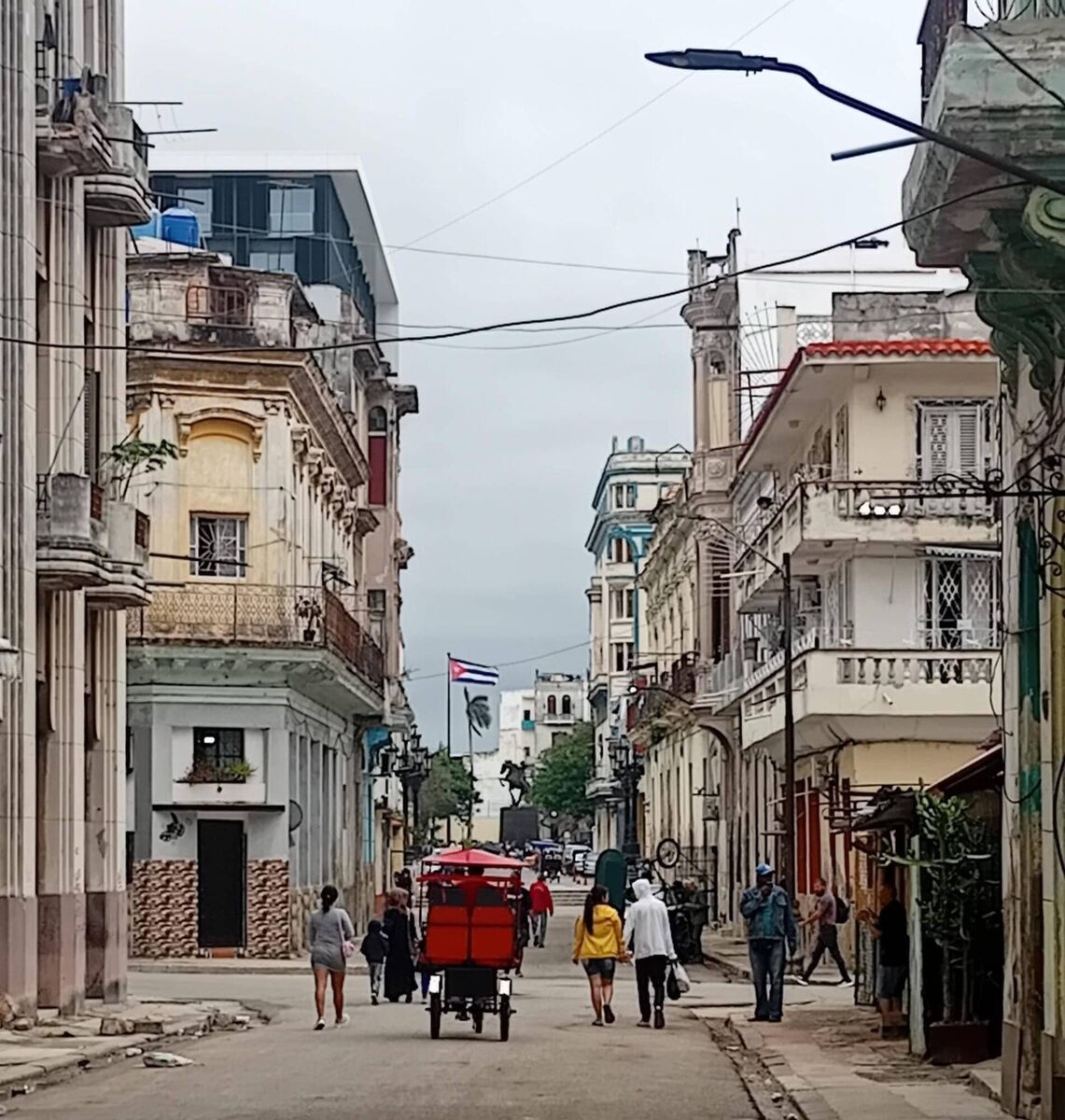
Solidarity is beautiful. It stands in sharp contrast to the cruelty of the siege, the full extent of which was laid bare in the list of medicines we were requested to bring with us.
One entire page was filled with cancer medication. If people don’t receive it, they will die. That is the reality of the US blockade on Cuba — it kills people.
Although everyone agreed the blockade must end, there were diverging views on what needs to happen for it to be lifted. No one wanted a US invasion, nor did they believe one was imminent.
And although some people were critical of the government and want change, none called for socialism to be abandoned. One man summed it up by saying: "We want our system, but we want it to work better".
When I told people that the impression from outside Cuba is of country about to collapse, some were astounded, others offended, one person responded: "The only way they’ll finish us off is if they sink Cuba into the sea."
This is, after all, a people that has endured over six decades of brutal economic warfare, the cumulative effect of which is tantamount to genocide. Yet they’re still here, and despite huge challenges, life goes on.
Children go to school, hospitals function, older adults practice tai chi in the park, cultural events continue, street vendors push carts of whatever fruit or veg they’ve managed to source through the streets, bakeries bake bread.
When we delivered the medical supplies to the Hermanos Ameijeiras hospital, the deputy director told us they had performed 28 surgeries that day alone.
And as we walked in to a pitch black Havana night, all along Paseo del Prado and the Malecón people gathered to chat, play domino, drink beer, and dance.
An older Cuban man asked for a photo with us. Afterwards he rubbed his bald head and inquired if we thought his hair looked good in it, before bursting into laughter and continuing with his business.
The following afternoon before I left my casa particular for the airport my host was busy fixing a broken fan. Because of the blockade, throwing such items away is unthinkable, so Cubans have had to become incredibly creative and resourceful at bringing things back to life again and again and again.
Even though they are exhausted under the weight of a gruelling blockade, they are also immensely proud, defiant, steadfast, brilliant.
Most of all though, and against all odds, they are alive. That is the spirit of Cuban people.
CONNECT WITH US TODAY



Be the first to know the latest news and updates