Critical marine infrastructure needs to be strengthened as 'no one can predict what's going to happen'
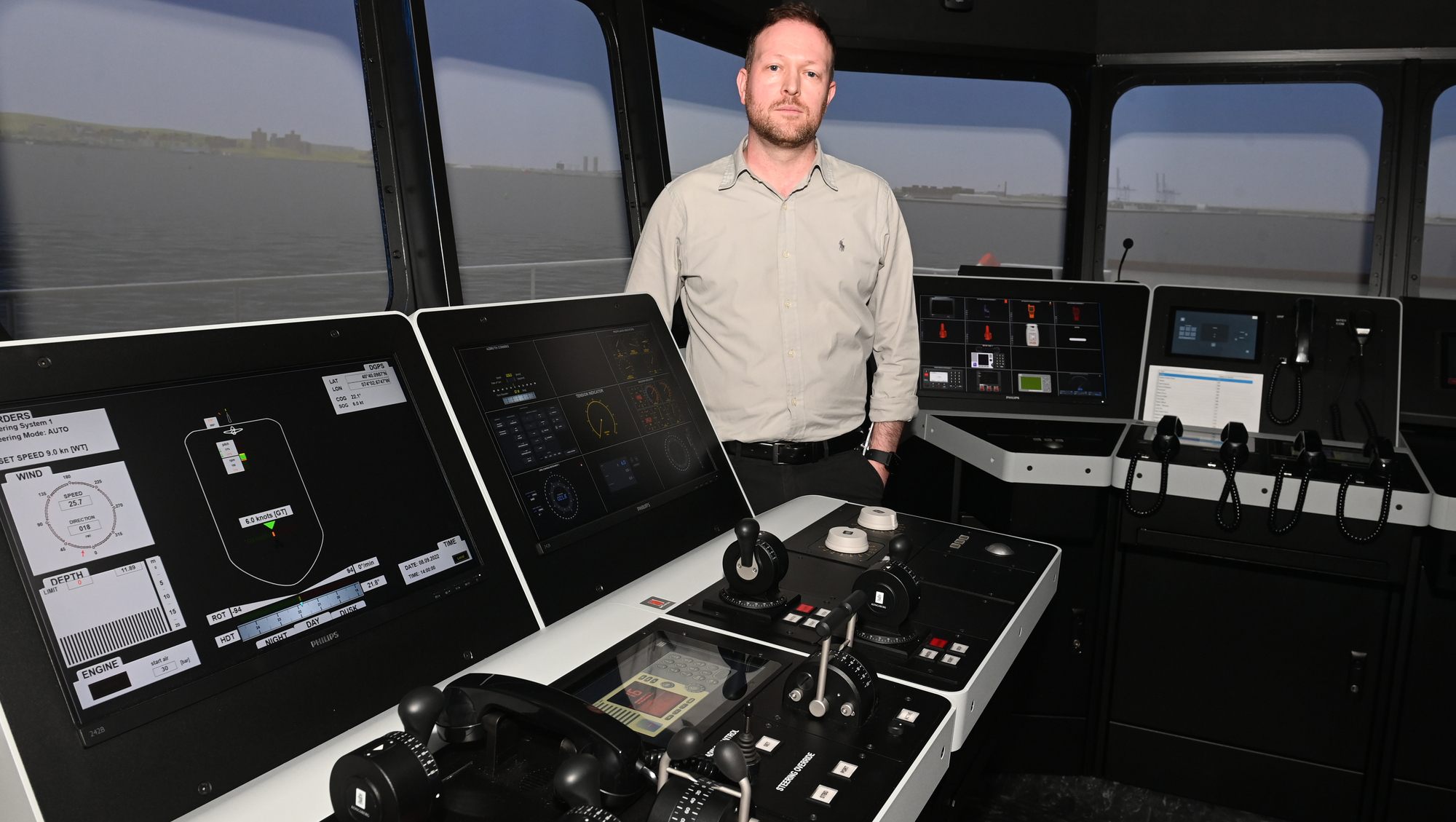
Robert McCabe has been tasked by the Government to examine, test, and bolster the country’s maritime security. He said the Russian shadow fleet poses both a security threat and an environmental hazard. Picture: Larry Cummins
Ireland’s critical marine infrastructure needs to be prepared for multiple possible attacks — from sabotage to cyber — as the damage to the economy and society could be “catastrophic”.
Robert McCabe has been tasked by the Government to examine, test, and bolster the country’s maritime security. He said the Russian shadow fleet poses both a security threat and an environmental hazard.
He said pollution from these unseaworthy vessels, which are mainly used to carry sanctioned Russian oil, could be “really devastating” for the marine environment.
His warning comes amid security concerns that greater numbers of Russian shadow vessels may avoid the English Channel and use Irish-controlled waters after Britain gave its military power to board these ships.
Read Cormac O'Keeffe's in-depth analysis and interview with Robert McCabe in the 'Irish Examiner' online and in print today, March 30
Mr McCabe was appointed by the Departments of Defence and Communications at the beginning of March to examine Ireland’s critical maritime infrastructure, with his contract stating it was "a major national security priority".
He will assess the physical and cyber threats to the infrastructure, test its resilience, response mechanisms to incidents, and produce a plan to bolster its protection.
The former assistant professor and course director for maritime security at Coventry University has previously conducted detailed research on Ireland’s maritime security.
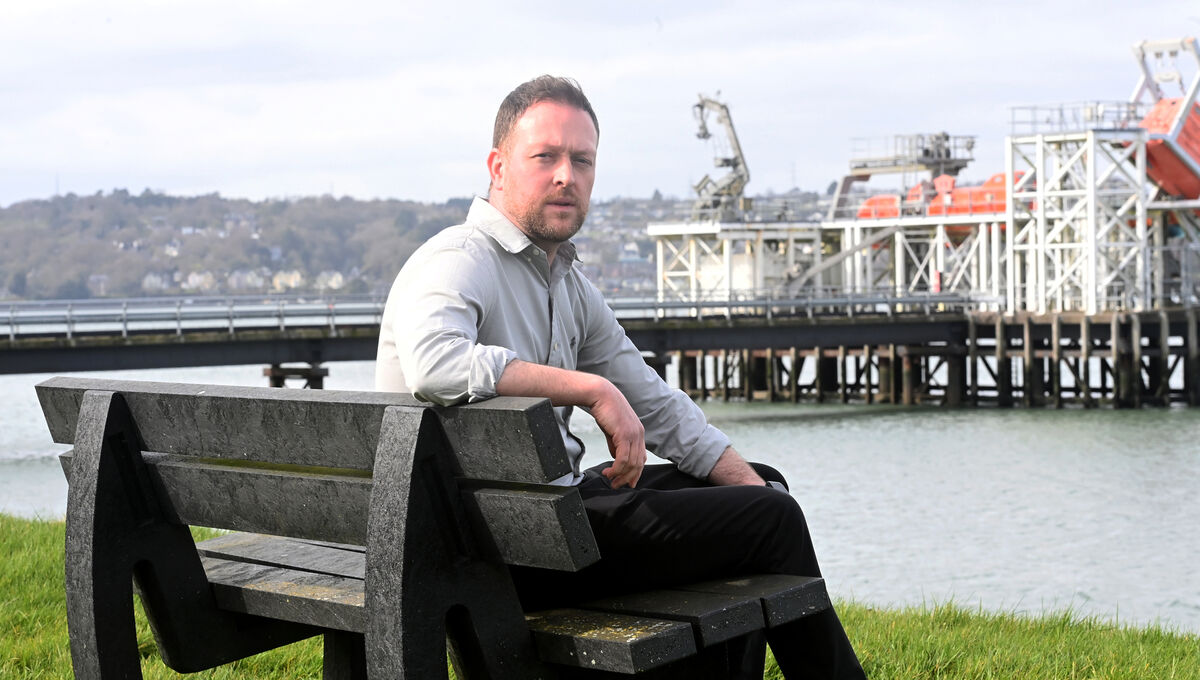
In an interview with the , Mr McCabe said that “no matter how likely or unlikely” the physical and cyber threats were, it was “crucial” that Ireland strengthen its critical maritime infrastructure.
The infrastructure includes critical gas pipelines and electricity connectors, the country’s ports, digital cables, and proposed offshore wind energy.
Mr McCabe said the ability of the naval service to board shadow vessels, as detailed in government proposals, would allow Ireland “deter and deny” these ships from Irish waters.
He said that co-operation between Ireland and maritime neighbours, such as Britain and France, was “fundamental” in detecting and responding to incidents such as damage to pipelines, pollution from shadow vessels, or a cyberattack on marine infrastructure, as the impact spreads across waters.
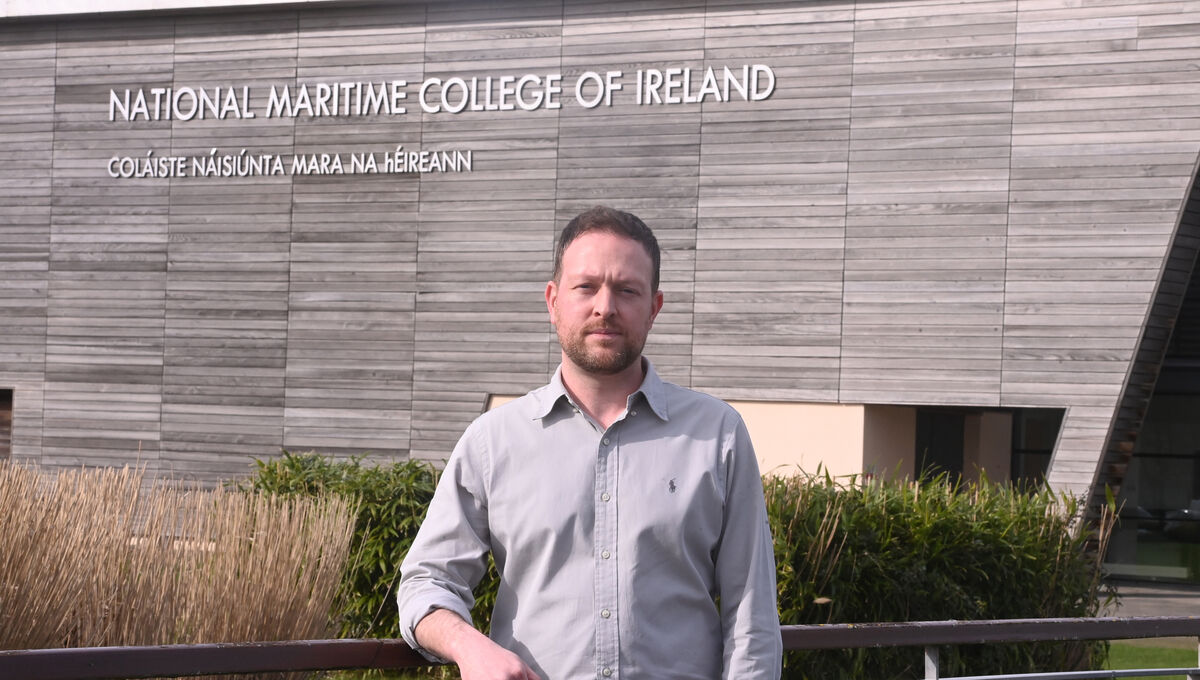
Mr McCabe is carrying out his two-year research project from the National Maritime College of Ireland in Ringaskiddy, Cork Harbour. The college is part of Munster Technological University.
He said global security is so uncertain that "no one can predict what’s going to happen next".
He said: "You need to be prepared for multiple different eventualities and, for maritime infrastructure, that’s so critical.
"For example, if a gas pipeline was intentionally disrupted, by sabotage or a cyberattack, the results could be catastrophic to the economy and society. Being prepared for those eventualities, no matter how likely or unlikely, is important. Understanding how to build resilience within that system is crucially important.”
Mr McCabe said Ireland is “hugely reliant” for its gas needs on twin pipelines coming from Scotland. The gas pipelines account for 80% of the country’s gas needs and 40%-80% of Ireland’s electricity, which utilities, public services, and hospitals depend on.
The likelihood of Russian shadow vessels diverting from the English Channel into Irish‑controlled waters could hinge on the Government’s “political messaging”, said navy sources.
This includes whether such vessels would be warned that they will be boarded, and whether that authority would apply only within Ireland’s 12‑nautical‑mile territorial waters, extend to its 24‑nautical‑mile contiguous zone, or cover the full 200‑nautical‑mile exclusive economic zone.
The Government hopes to have proposed laws detailing the powers of the naval service before Ireland assumes the EU presidency on July 1.
- Cormac O'Keeffe is the Security Correspondent with the
CONNECT WITH US TODAY



Be the first to know the latest news and updates